How to Make Images That Look Like They’re Retro Digital Without Photoshop
Our take
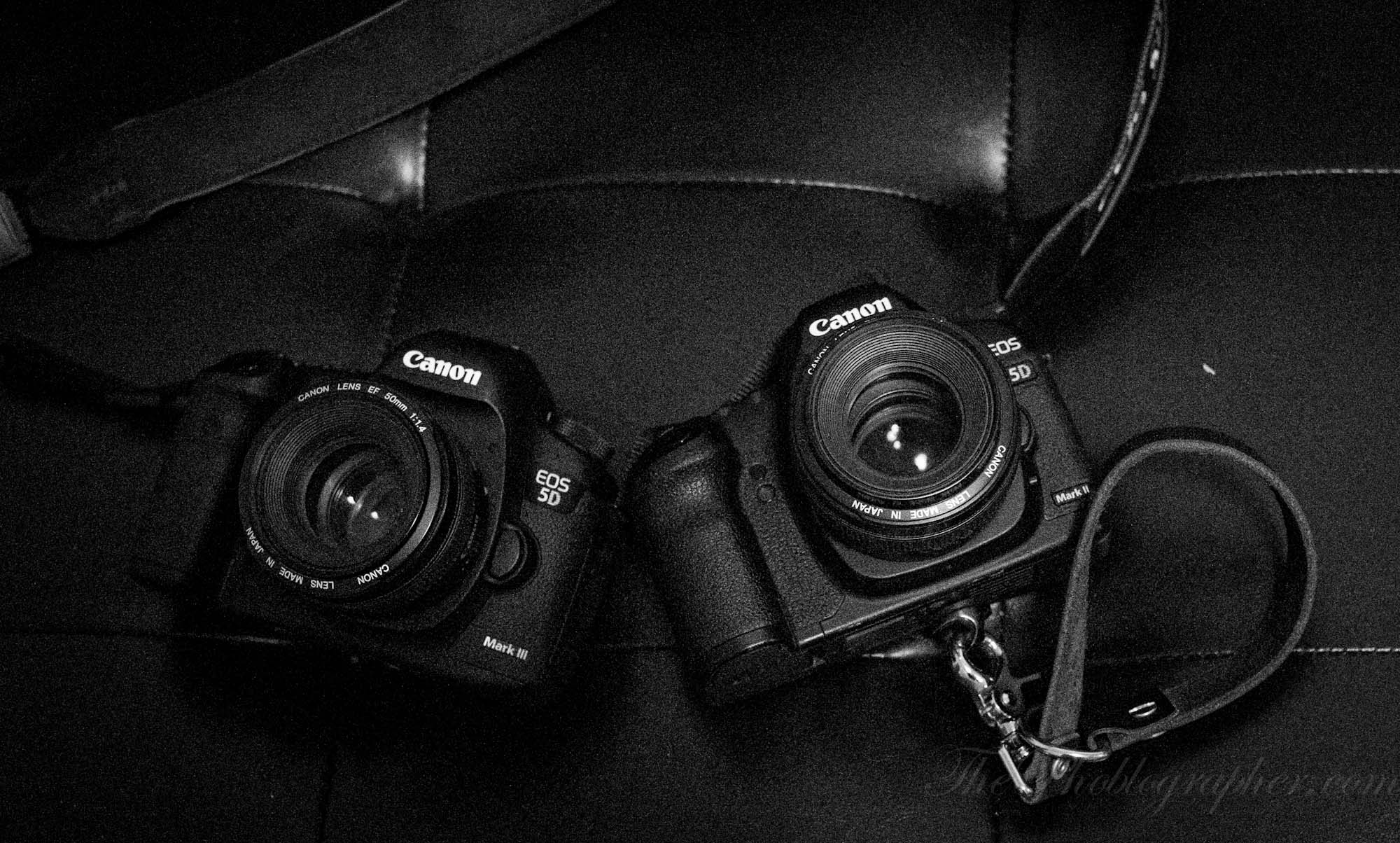
The resurgence of “retro digital” photography is more than a fleeting trend; it’s a conscious rejection of the hyper-polished, algorithmically-optimized images that currently saturate our feeds. As noted in the recent piece on The Best Travel Photography Kit For Sony Users in 2026, modern cameras are incredibly capable, often doing much of the technical heavy lifting for the photographer. While this accessibility has democratized photography, it has also, arguably, homogenized the aesthetic. Returning to the techniques of the late 2000s, embracing the quirks and imperfections of early digital sensors, offers a pathway to a more distinctive and authentic visual language. The author’s reflection on his own photographic evolution, and the subsequent rediscovery of this style, resonates with a growing desire for a more tangible, less processed connection to the art form, a sentiment echoed in our earlier piece on In Remembrance of a Beautiful Fujifilm Emulsion, which celebrated the unique character of analog film stocks and the deliberate aesthetic choices they necessitated.
The core of this “retro digital” aesthetic lies in a deliberate embrace of limitations. Early digital cameras often produced images with higher noise levels, softer details, and a particular color rendition that, while not ideal by today’s standards, possessed a certain charm and visual distinctiveness. Shooting in RAW format, as the author suggests, allows for some control over these characteristics without resorting to extensive post-processing. It’s about recreating the *feeling* of those early digital images – the slightly grainy texture, the subtle color shifts, the sense of immediacy – rather than simply replicating the technical specifications of a decade-old camera. This movement taps into a broader cultural yearning for authenticity and imperfection in a world increasingly dominated by artificiality and curated perfection. It’s a visual antidote to the relentlessly smooth and polished imagery that has become the norm. The focus on avoiding Photoshop, in particular, highlights the desire to recapture a more direct, unfiltered connection to the photographic process.
The implications for photographers are significant. It encourages a return to fundamental photographic principles: careful composition, thoughtful lighting, and deliberate exposure choices. Instead of relying on post-processing to “fix” imperfections, photographers are challenged to create compelling images in-camera. This shift in mindset can lead to a deeper understanding of the medium and a more refined artistic vision. Furthermore, it opens up new creative avenues for photographers who want to distinguish themselves from the crowd. In a world where countless images are generated and shared daily, the ability to produce something that feels genuinely unique and visually arresting is more valuable than ever. Consider, for instance, the specialized equipment discussed in GoBirding Vision Master Scope Review: It Takes The Guesswork Out Of Bird Photography, where overcoming technical limitations to capture fleeting moments is paramount. The principles of embracing limitations and working within constraints are universally applicable.
Ultimately, the “retro digital” trend represents a fascinating intersection of nostalgia, technological evolution, and artistic expression. It’s a reminder that limitations can be a source of creativity, and that sometimes, the most compelling images are those that embrace imperfection rather than striving for flawless replication. As technology continues to advance, pushing the boundaries of what’s possible in photography, it will be intriguing to see if this movement continues to gain momentum and how it shapes the future of visual storytelling. Will this aesthetic become a permanent fixture in the photographic landscape, or will it fade as quickly as the digital trends it emulates? And perhaps more importantly, will photographers continue to prioritize authentic expression over algorithmic optimization, even as cameras become increasingly capable of doing the work for them?
Read on the original site
Open the publisher's page for the full experience