Insane Video Shows Killer Whale Ramming a Sunfish to Smithereens
Our take
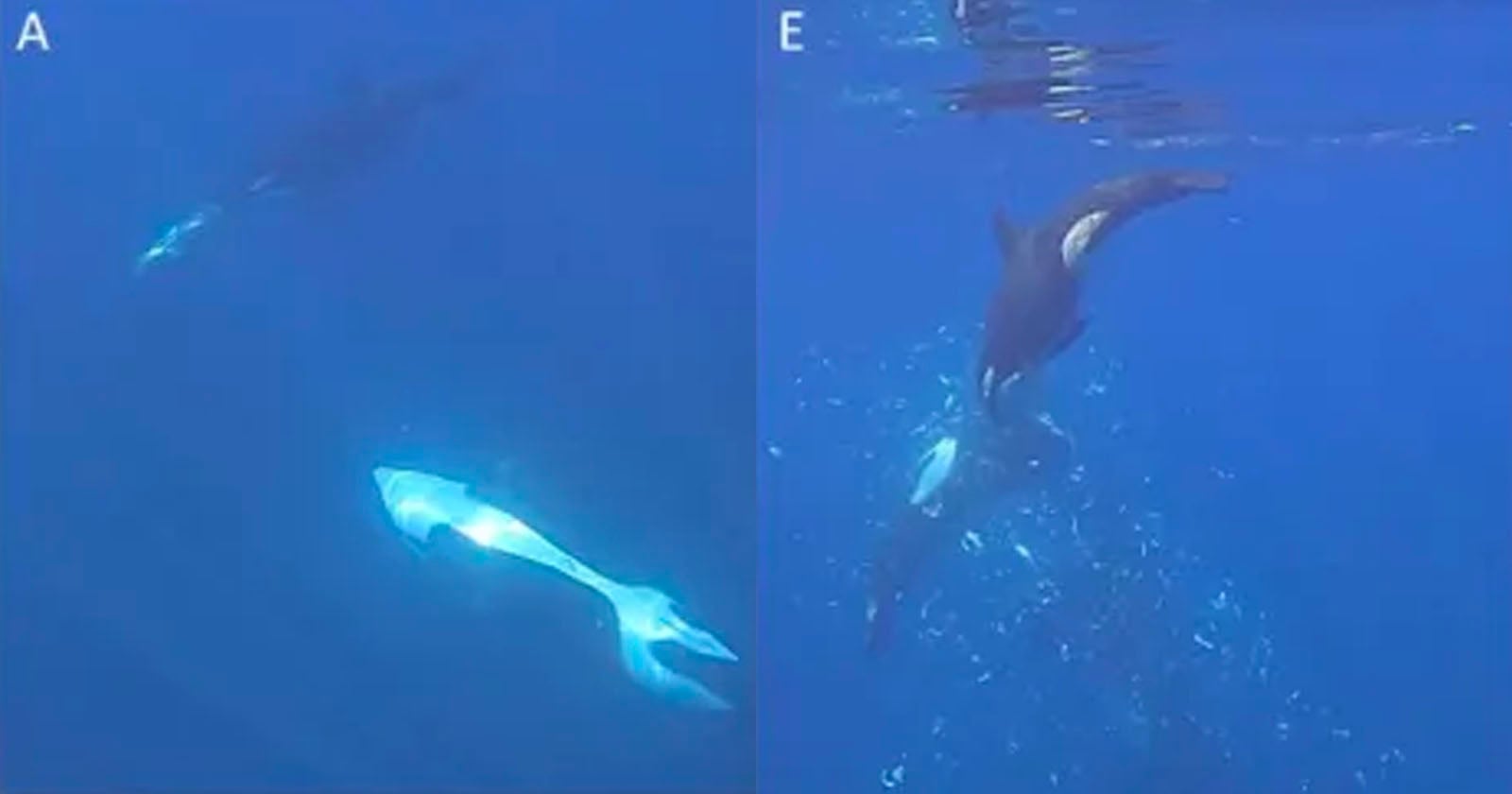
The ocean continues to unveil its astonishing secrets, and the recent video of an orca pulverizing a sunfish serves as a stark, visceral reminder of the raw power and complex dynamics at play within marine ecosystems. It’s a moment captured by a marine biologist, a fortunate observer of a truly extraordinary event – a demonstration of predatory behavior rarely witnessed with such clarity. This isn't simply a case of an orca hunting; it's a display of calculated force, efficiently dismantling a creature far larger than many might initially expect. The sheer impact force required to literally explode a sunfish into pieces highlights the incredible strength and precision these apex predators possess. This event echoes similar encounters documented previously, though the visual clarity of this particular recording elevates its impact, prompting renewed consideration of orca hunting strategies and the vulnerabilities of even colossal creatures. It’s fascinating to consider how this aligns with the ongoing stories of human interaction with wildlife, like the recent incident of [Tourist Filmed Taking Selfies Inches From Enormous Wild Bison], demonstrating a recurring theme of the unpredictable power of the natural world. Similarly, the rise of platforms like [New Platform Lets Companies Bid on Eyewitness Videos of Breaking News] underscores how increasingly accessible and shareable these moments of natural spectacle have become, influencing our understanding and perception of wildlife.
The sunfish, or Mola mola, is an anomaly in itself – a massive, gelatinous creature with a unique body plan. Its size and unusual composition make it a challenging target, requiring a specific approach for successful predation. The orca’s technique, a direct and forceful ram, speaks to a level of understanding of the sunfish's structure and weakness. It's a testament to the orca's intelligence and adaptability, demonstrating an ability to exploit specific vulnerabilities within its prey. While sunfish are known to be relatively slow-moving and possess a thick skin, the sheer momentum of an orca is clearly sufficient to overcome these defenses. This event also raises questions about the broader ecological impact of orca predation on sunfish populations. Are these targeted attacks a common occurrence, or do they represent a unique response to specific environmental conditions? Further research is undoubtedly needed to fully understand the intricacies of this predator-prey relationship. The prevalence of increasingly sophisticated tools for videographers, as noted in reviews like [Neewer’s Bright F700U OLED Monitor Earned a Place in My Camera Bag], also means that more of these moments are likely to be captured and shared, providing invaluable data for marine biologists and conservationists.
Beyond the immediate shock and awe of the video, this event compels us to reconsider our anthropocentric view of the ocean. We often frame marine ecosystems through a lens of fragility and vulnerability, particularly when discussing conservation efforts. However, this display of raw power and calculated predation serves as a powerful reminder of the inherent resilience and often brutal realities of the natural world. It's a world where survival hinges on strength, strategy, and adaptation, and where even the largest creatures are not immune to the forces of nature. Documenting these interactions, while potentially unsettling to witness, is crucial for building a more nuanced and complete understanding of marine ecology. It highlights the importance of continued research and monitoring to protect these complex ecosystems and the magnificent creatures that inhabit them.
The increasing availability of high-quality video footage from marine environments promises a deeper appreciation of the ocean’s biodiversity and ecological processes. As technology advances and more individuals dedicate themselves to observing and documenting the natural world, we can anticipate even more astonishing revelations about the behavior and interactions of marine life. The question remains: what other surprising or previously unknown hunting strategies and predator-prey dynamics are waiting to be uncovered in the depths of our oceans?
A marine biologist filmed an orca slamming into the side of a sunfish -- causing it to explode into literal pieces.
Read on the original site
Open the publisher's page for the full experience