Insta360 Countersues DJI, Asserting Five Patent Violations
Our take
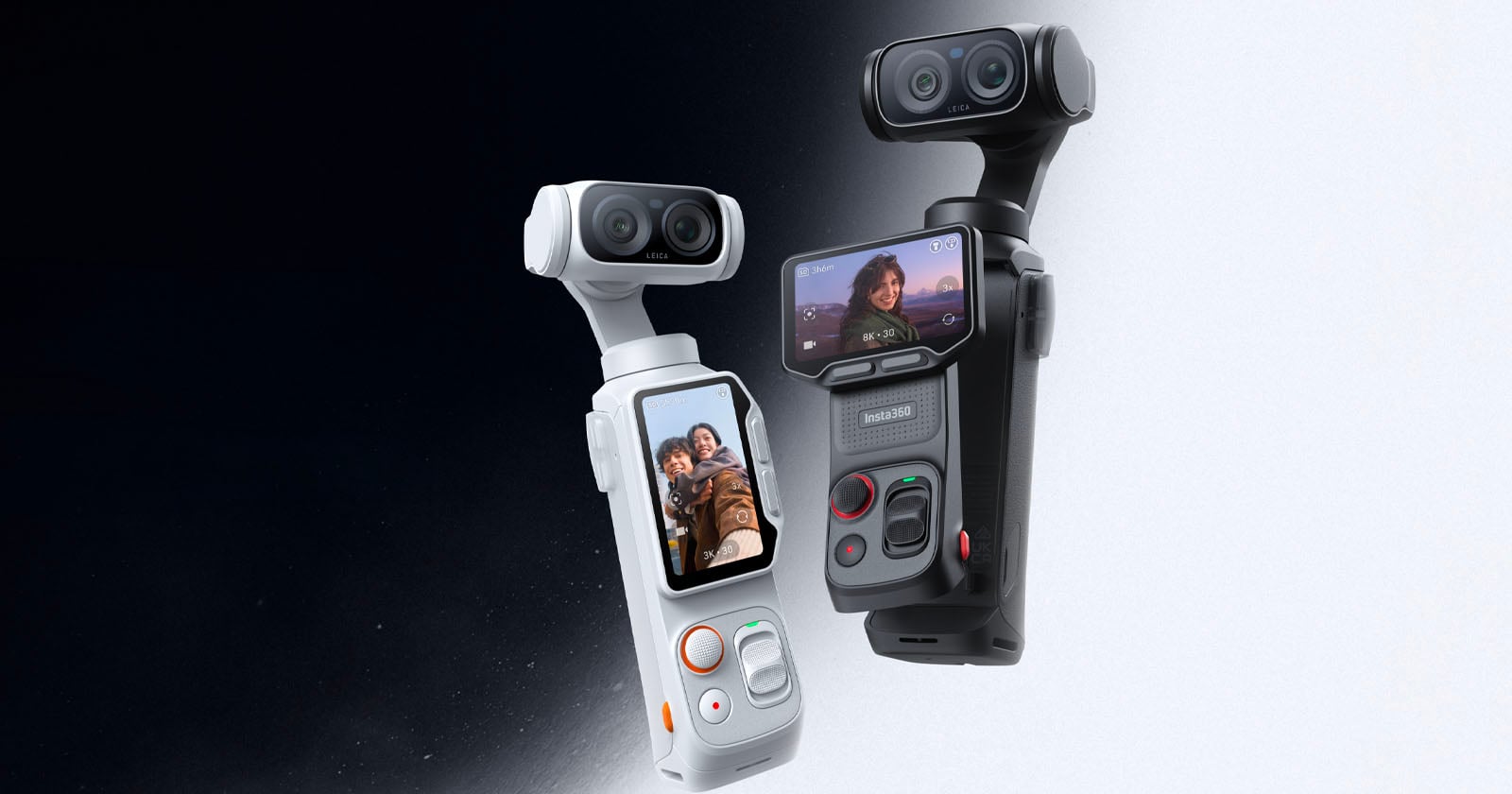
The escalating legal battle between Insta360 and DJI, with Insta360’s countersuit asserting five patent violations, represents a significant moment for the action camera and gimbal stabilization industries. This isn't simply a dispute between two companies; it’s a challenge to the established order, questioning the boundaries of innovation and intellectual property within a rapidly evolving technological landscape. The core of the disagreement revolves around Insta360's claims that DJI has infringed upon patents relating to gimbal technology and 360-degree camera capabilities—features now commonplace in devices like the Osmo Pocket, Ronin series, and Osmo Mobile. This legal action arrives at a time when visual storytelling, particularly through dynamic and immersive perspectives, is increasingly vital for creators, professionals, and consumers alike, as highlighted in our recent piece on [Divers Capture First Footage of a Great White Shark in the Mediterranean], demonstrating the power of stabilized imagery to capture truly remarkable moments. The stakes are high, potentially impacting the future development and accessibility of these technologies.
The implications of this lawsuit extend beyond the immediate financial consequences for both companies. DJI's dominance in the action camera and gimbal market is well-established, and a successful ruling in Insta360’s favor could force DJI to redesign or cease production of certain products, or at the very least, pay substantial royalties. It also sets a precedent for future patent disputes within the industry, potentially encouraging smaller innovators to more aggressively protect their intellectual property. Consider, for example, the meticulous craftsmanship and film development showcased in [Film Friday: Kodak Portra 800 Is High-Speed, Color Perfection], where the preservation of unique processes and aesthetics is paramount. Similarly, Insta360's own innovation in 360-degree imaging, and its claim of original design, echoes the importance of protecting proprietary techniques. The tease of the new AF 60-180mm f lens by LK Samyang and Schneider-Kreuznach, [LK Samyang and Schneider-Kreuznach Tease the AF 60-180mm’s Full Reveal], further underscores the ongoing pursuit of improved optics and stabilization, making the legal battle even more relevant to the broader creative community.
Insta360’s decision to countersue, rather than simply pursuing licensing agreements, signals a more assertive strategy, reflecting a broader shift in the tech industry towards stronger IP protection. While DJI has historically been seen as the innovator, Insta360 has steadily gained traction with its own compelling products, often targeting a slightly different niche – one that leans into more adventurous and immersive content creation. The legal arguments themselves, focusing on core gimbal and 360-degree camera technologies, suggest that Insta360 believes DJI’s success has, in part, been built upon leveraging their foundational innovations. Ultimately, the resolution of this case will likely shape the competitive landscape and influence the direction of future development in both gimbal and 360 camera technology, potentially spurring further innovation as companies strive to differentiate themselves while navigating a more complex patent environment.
The coming months will be crucial as this case unfolds, and the outcome will be closely watched by companies, creators, and consumers alike. Beyond the specifics of the patents in question, the case raises fundamental questions about the balance between rapid innovation and the protection of intellectual property. Will this legal battle lead to a greater emphasis on original design and proprietary technology, or will it stifle the collaborative, iterative nature of technological advancement? The most intriguing question might be whether this signifies a broader trend of smaller players challenging the dominance of industry giants, forcing a re-evaluation of the creative process and the protection of unique artistic and technical contributions.
Insta360 has countersued DJI for what it asserts are violations of five utility patents covering technology used in gimbal and 360-degree cameras. Insta360 claims these technologies are incorporated into several major DJI products, including the Osmo Pocket, Ronin/RS, Osmo Mobile, and Osmo 360.
Read on the original site
Open the publisher's page for the full experience