Insta360 Fires Back at DJI With its Own Rocket Launch Video
Our take
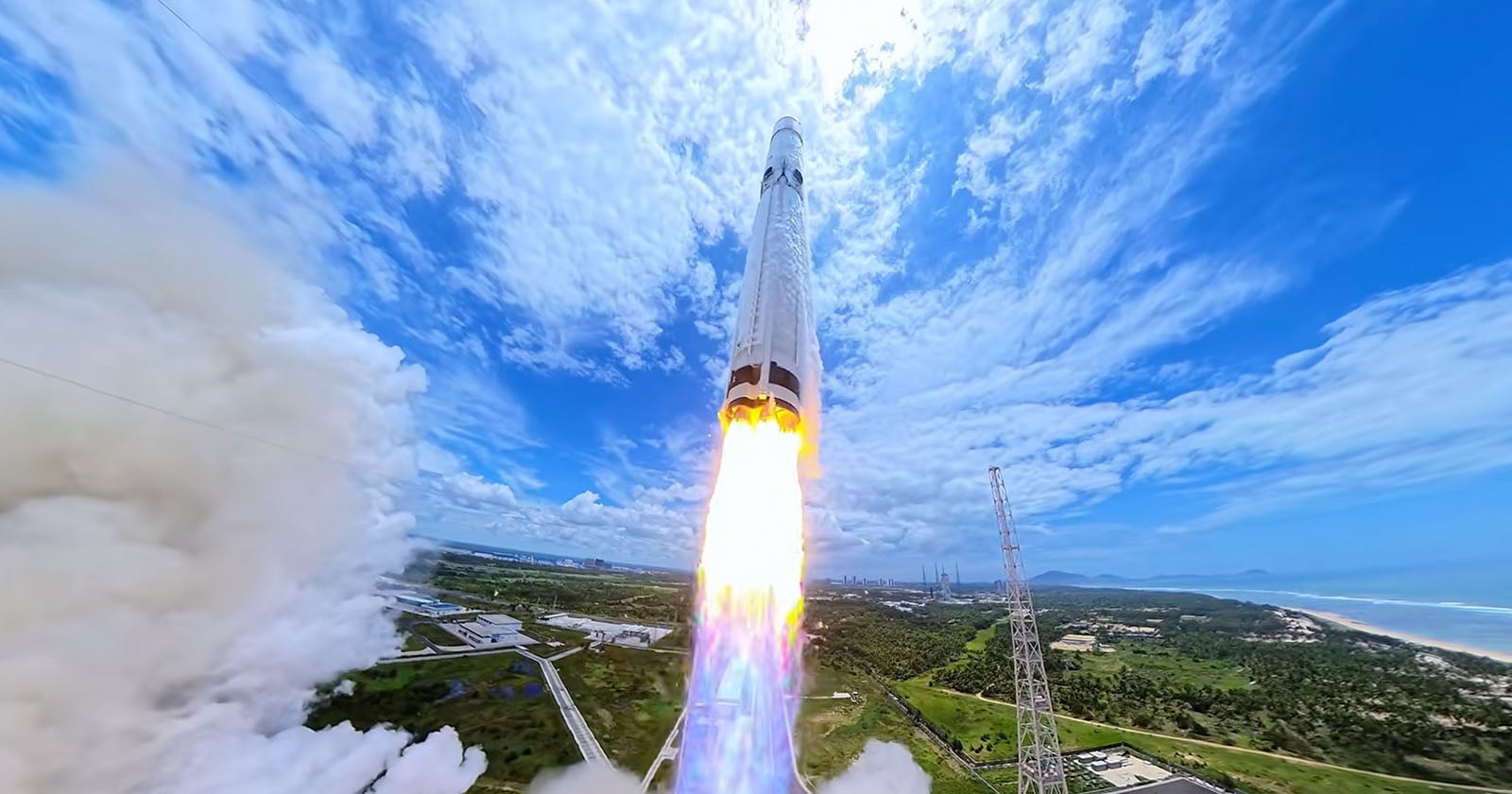
The escalating rivalry between Insta360 and DJI continues to reshape the action camera landscape, and their recent tit-for-tat rocket launch videos are a compelling illustration of this dynamic. DJI’s initial video, showcasing the capabilities of its Osmo Action 6, was a calculated move – a visually striking demonstration of image stabilization and high-resolution recording in a dramatic scenario. Insta360’s swift response, releasing a comparable video captured with its own technology, isn’t just about one-upping a competitor; it’s a strategic assertion of market presence and a message to consumers: the choice isn’t limited to a single brand. This kind of direct competitive response is increasingly common in the tech world, particularly within the rapidly evolving action camera segment, where innovation and marketing prowess are just as important as technical specifications. For those interested in the broader implications of this competition, our piece on The Future of Action Cameras dives deeper into the trends shaping the industry.
The significance of these videos extends beyond mere marketing stunts. Rocket launches, with their inherent instability and dynamic movement, represent a challenging scenario for any camera. Successfully capturing stable, high-quality footage requires sophisticated image stabilization technology, advanced optics, and robust processing power. By showcasing their cameras' performance in such a demanding situation, both DJI and Insta360 are implicitly highlighting their strengths. The fact that both companies were able to produce impressive results suggests that the overall quality of action cameras has improved dramatically in recent years. This competition isn't just about who has the *best* video; it’s about pushing the boundaries of what’s possible and driving innovation across the board. We recently explored the advancements in image stabilization technology in A Deep Dive into Action Camera Stabilization, offering a technical perspective on the underlying engineering. The visual impact of these videos, regardless of brand, also reinforces the growing consumer demand for immersive, cinematic content captured on compact and accessible devices.
Beyond the technical capabilities demonstrated, these videos speak to the evolving nature of content creation. The rise of social media platforms like TikTok and Instagram has fueled a desire for dynamic, visually engaging content. Action cameras, with their portability and ability to capture unique perspectives, are perfectly positioned to meet this demand. Both DJI and Insta360 understand this, and their marketing efforts are increasingly focused on showcasing how their cameras can empower users to create compelling stories. The “us vs. them” narrative also plays a role, creating a sense of brand loyalty and encouraging consumers to choose a side. This kind of competitive branding is particularly effective in markets where consumers are actively seeking alternatives and value a sense of community. The legal battles between the two companies, as discussed in DJI vs. Insta360: A Legal Showdown, also contribute to this dynamic, adding another layer of complexity to their rivalry.
Looking ahead, it’s likely that this competitive pressure will continue to drive innovation in the action camera space. We can anticipate further advancements in image stabilization, resolution, and low-light performance, as well as the integration of new features like AI-powered editing tools and improved connectivity options. The question remains: will the focus shift towards more specialized applications, such as aerial photography and videography, or will the companies continue to cater to the broader consumer market seeking versatile, easy-to-use action cameras? The next few years will be crucial in determining which brand ultimately emerges as the dominant force, and how this rivalry shapes the future of immersive content creation.
Last week, DJI shared a rocket launch video recorded using Osmo Action 6 cameras. As is so often the case, DJI's primary commercial and legal rival, Insta360, is not content to merely watch from the sidelines. Insta360 has its own new rocket launch video, too.
Read on the original site
Open the publisher's page for the full experience