Instagram Pushes AI Video of Film Crew Shooting Miami Disaster to 700 Million Views
Our take
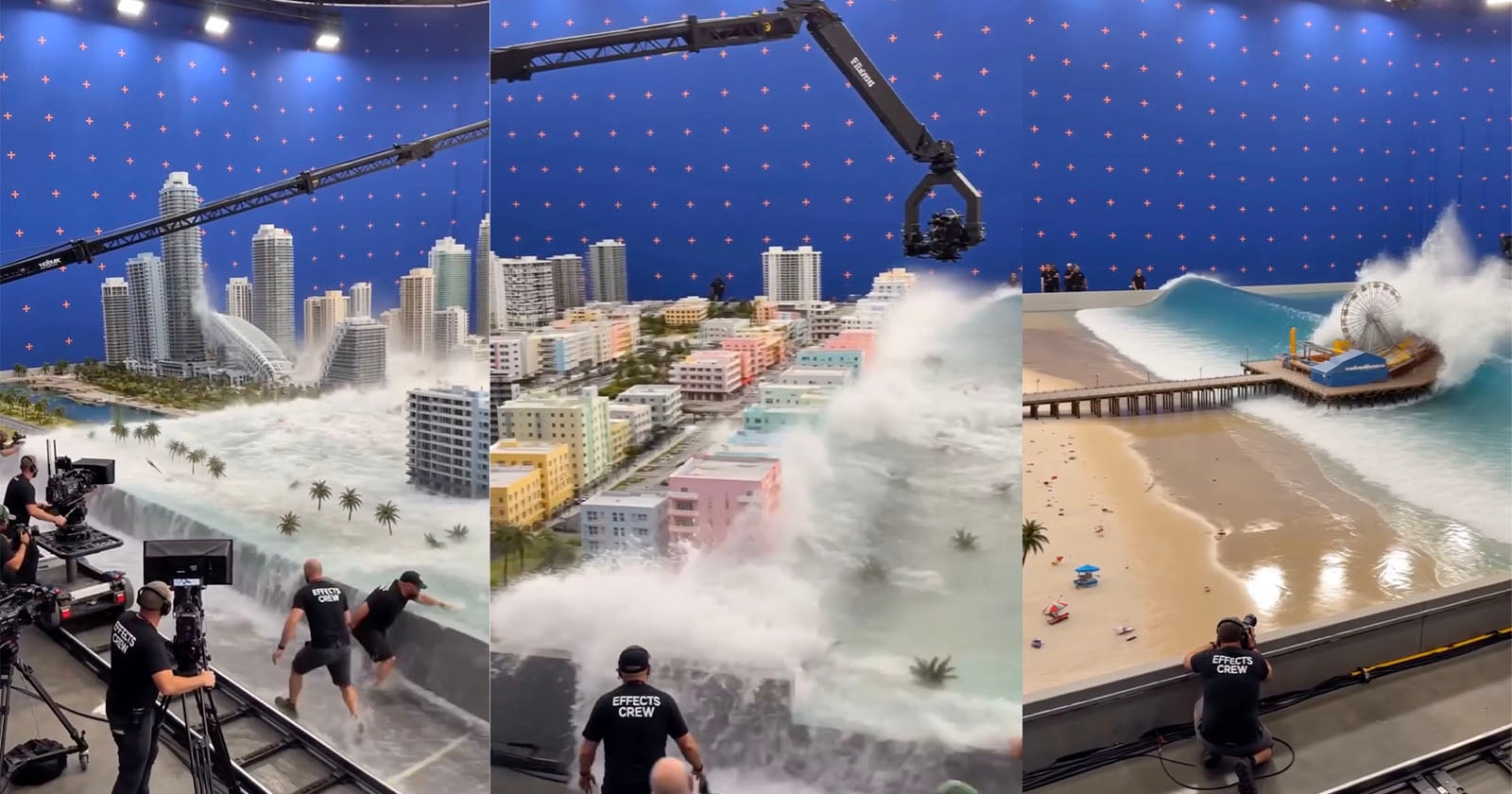
The viral explosion of Instagram's AI-generated video depicting a miniature Miami’s simulated destruction, racking up 700 million views, isn't simply a spectacle of digital artistry; it’s a revealing glimpse into Meta’s evolving strategy and the increasingly blurred lines between entertainment, authenticity, and algorithmic amplification. The sheer scale of the view count underscores the platform’s considerable power to propel AI-created content into the mainstream, prompting a necessary conversation about responsibility and the potential for desensitization. This moment echoes concerns previously raised about the unchecked promotion of potentially harmful content, as evidenced by reports of Meta’s partner in China promoting nudify apps [Meta’s Partner in China Placed Thousands of Ads for Nudify Apps, Report Says]. The implications are particularly pertinent given the artistic sensibilities of our audience, who are attuned to curated aesthetics and genuine creative expression, qualities seemingly absent in a purely algorithmic creation designed for maximum engagement. Furthermore, the prioritization of this AI video over organic content from creators, many of whom rely on the platform for livelihood, raises questions about the future of creative entrepreneurship within the Meta ecosystem, a point that resonates with the considerations addressed surrounding "gifted" brand shoots [Gifted brand shoot- is it worth it?].
The choice to aggressively promote this particular video, a fantastical and somewhat unsettling depiction of urban devastation, feels calculated to capture attention – and it certainly succeeded. However, it also reveals a willingness to prioritize virality over nuanced storytelling or even ethical considerations. While AI tools offer exciting new avenues for artistic exploration, this incident highlights the risk of platforms becoming conduits for content that, while technically impressive, lacks depth or purpose. The simulated film crew framing adds a layer of meta-commentary, perhaps intended to further engage viewers, but it ultimately contributes to the feeling of detachment from reality. Consider the National Portrait Gallery’s acquisition of a photograph of Charli XCX [UK’s National Portrait Gallery Acquires Photograph of Charli XCX], a demonstration of real-world artistic merit and cultural significance; the contrast with this AI spectacle is stark, demonstrating a divergence in how art and culture are valued and disseminated.
Beyond the immediate concerns about content prioritization, this event signals a broader shift in how social media platforms are approaching AI. The move demonstrates a clear ambition to be at the forefront of AI-generated entertainment, potentially establishing Instagram as a primary destination for AI-driven experiences. This ambition, however, must be tempered with a commitment to responsible innovation. The lack of transparency regarding the video's algorithmic promotion – why *this* video, and why with such force? – only fuels skepticism and underscores the need for greater accountability in how AI content is amplified. The platform’s current approach risks alienating users who seek genuine connection and authentic expression, instead fostering a landscape dominated by algorithmically optimized spectacles.
Ultimately, the Miami disaster video serves as a cautionary tale. While the technological capabilities behind such AI creations are undeniably impressive, the focus should remain on harnessing these tools to enhance human creativity and foster meaningful connections, rather than prioritizing fleeting viral trends. The question now is whether Meta will heed the concerns raised by this incident and adopt a more thoughtful and responsible approach to AI content promotion, or whether this represents a new norm – a future where algorithmically generated spectacles reign supreme, regardless of their artistic or social merit. What safeguards, if any, will be implemented to ensure that the pursuit of virality doesn't overshadow the values of authenticity and genuine creative expression that define a thriving online community?
A wild AI video depicting a miniature Miami being wiped out by a huge wave as an imaginary film crew captures it has gone incredibly viral on Instagram -- as some question why Meta is pushing such content.
Read on the original site
Open the publisher's page for the full experience