iPhone 18 Pro Has Apple’s Fastest Lens Yet Thanks to Variable Aperture
Our take

## Our Take: Apple's Variable Aperture – A Subtle Revolution in Mobile Photography
The unveiling of the iPhone 18 Pro and Pro Max, with their headline-grabbing variable aperture lens, signals more than just a hardware upgrade; it represents a considered shift in Apple’s approach to mobile photography. While the immediate reaction might be to focus on the "fastest lens yet," the true significance lies in the nuanced control this technology offers. It's a move away from the relentless pursuit of ever-higher megapixel counts and towards a more sophisticated understanding of light and its impact on image quality. Apple’s always been about refining the experience, not just throwing raw specs at a problem, and this feels very much in line with that philosophy. For those who appreciate the finer points of photography, this is a genuinely exciting development, pushing the boundaries of what’s possible with a pocket-sized device. We’ve previously explored the intricacies of computational photography Understanding Computational Photography and how it shapes modern image creation, and this variable aperture feels like a natural evolution of that trend, giving the photographer greater agency over the final result. The implications extend beyond just better low-light performance, impacting depth of field and creative control in ways previously unavailable on a smartphone.
The variable aperture, allowing for adjustments between f/1.4 and f/2.8, isn't simply about capturing more light. It’s about providing photographers with the flexibility to mimic the behavior of traditional camera lenses. This means more control over depth of field – the ability to isolate subjects with a pleasingly blurred background (bokeh) – and a greater ability to adapt to different lighting conditions. Apple’s implementation, as detailed in the PetaPixel article, suggests a smart system that intelligently suggests aperture settings based on the scene, but also allows for manual override. This blend of automation and creative control is crucial; it caters to both casual users who want beautiful photos with minimal effort and experienced photographers who crave granular control. Consider the impact on portrait photography, for instance. Achieving that shallow depth of field effect, previously requiring specialized lenses or post-processing techniques, becomes seamlessly integrated into the shooting process. We've covered similar advancements in computational photography previously, noting the shift toward more intuitive controls Computational Portraiture Techniques – Apple's approach here seems to be furthering that trend with a hardware solution.
Beyond the immediate photographic benefits, this technological leap has broader implications for the mobile device landscape. It’s a clear signal that Apple isn’t willing to cede ground to Android competitors in the camera space, and it’s likely to spur innovation across the board. We can expect to see other manufacturers exploring similar variable aperture technologies in the coming years, pushing the boundaries of what’s possible in mobile imaging. The development also underscores the growing importance of computational photography – the software algorithms that work in conjunction with the hardware to produce the final image. Apple’s expertise in this area is a key differentiator, allowing them to leverage the variable aperture to its full potential. The seamless integration of hardware and software is what truly sets Apple apart, and this latest camera innovation is a testament to that. It’s not just about having a fast lens; it’s about having a fast lens that’s intelligently managed and optimized by a sophisticated software ecosystem.
The introduction of variable aperture in the iPhone 18 Pro series marks a pivotal moment in mobile photography. It’s a subtle, yet significant, shift away from purely quantitative improvements towards a more qualitative and creative experience. While megapixel counts continue to climb elsewhere, Apple is focused on empowering users with more control and versatility. The question now is: how will this technology evolve? Will we see variable aperture become a standard feature across all smartphone models, or will it remain a premium offering? And perhaps more importantly, how will Apple continue to refine its computational photography algorithms to further enhance the creative possibilities unlocked by this new hardware? The future of mobile photography, it seems, is increasingly defined by the harmonious blend of optics and intelligence.
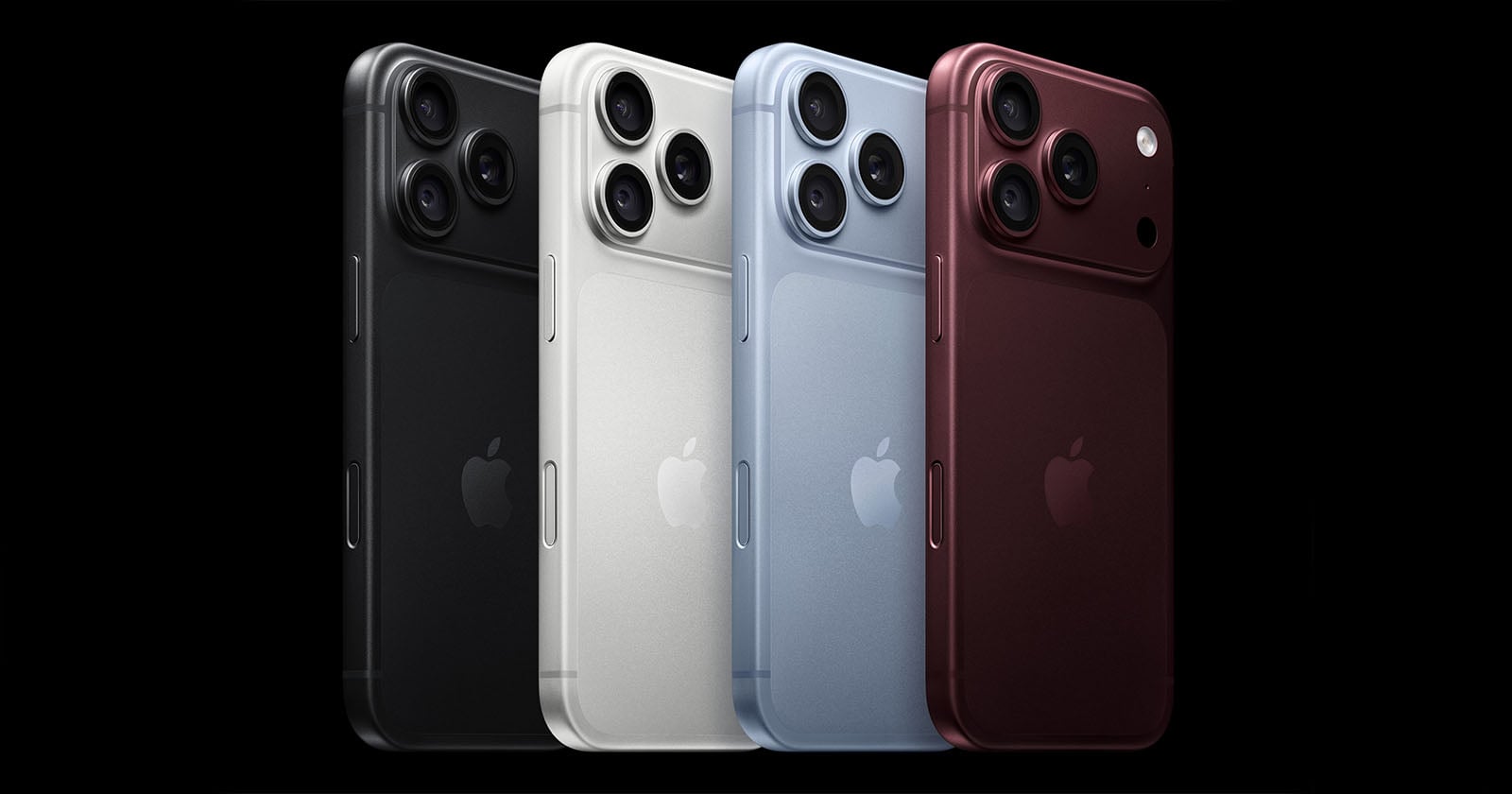
Apple has unveiled the iPhone 18 Pro and iPhone 18 Pro Max, its latest flagship slab smartphones. They promise significant improvements across all facets, including the camera.
Read on the original site
Open the publisher's page for the full experience