Iraq’s Team Photographer Denied Entry Into the US Ahead of the World Cup
Our take
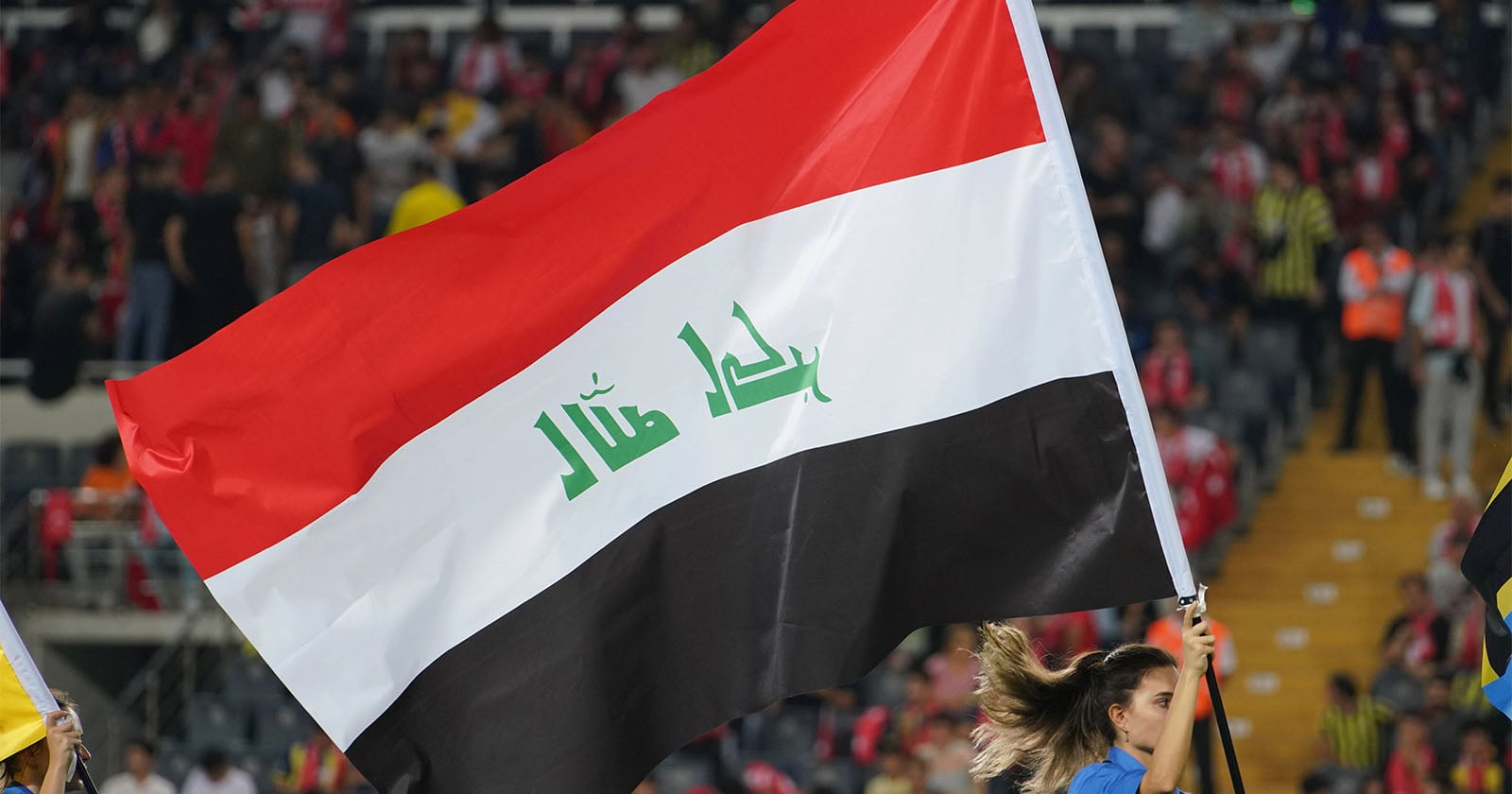
The story of Tal Al Salah’s denied entry into the United States reads like a vignette from a larger narrative about the fragile intersection of sport, art, and geopolitics. As the official photographer for Iraq’s national football team, Salah is not merely a chronicler of goals; he is a visual architect who translates the kinetic poetry of the pitch into an immersive archive that will define the country’s first World Cup appearance in four decades. When his passport was held for ten hours and his visa ultimately rejected, the loss reverberates far beyond a single itinerary. It echoes the challenges faced by creators who navigate borders, both literal and cultural, and reminds us why the right to document is as essential to sport as the ball itself. Readers who follow our coverage of visual storytelling will recall the stakes illustrated in Photojournalist Hit and Dragged by Car While Covering Delaney Hall Protests, where the act of photographing became a contested terrain of power and protection. Likewise, the recent ban on photography at Japan’s premier beach volleyball competition, detailed in Japan’s Top Volleyball Competition Bans All Photography Over Fears About ‘Inappropriate’ Images, underscores a growing tension between the desire for curated visual narratives and regulatory constraints that can stifle them.
At its core, this incident is a reminder that the visual language of sport is a vibrant conduit for national identity. Iraq’s qualification for the 2026 World Cup is itself a curiously aspirational moment, a symbol of resilience after decades of conflict. The photographs that will accompany that journey are destined to shape global perception, offering an authentic, elevated portrait of a nation in motion. When the camera is silenced, the story becomes incomplete, and the world is denied the chance to experience an immersive, curated glimpse of a culture that is simultaneously modern and steeped in tradition. The denial also raises questions about the criteria used by immigration officials to assess cultural contributors. In an era where artistic and athletic exchanges are celebrated as soft diplomacy, the exclusion of a photographer feels incongruous, bordering on a missed opportunity for cultural exchange that could have enriched the tournament’s narrative tapestry.
Beyond the immediate impact on the Iraqi squad, the episode spotlights a broader conversation about the status of visual creators within the global sports ecosystem. Photographers, videographers, and designers are increasingly recognized as essential collaborators, not ancillary staff. Their work fuels the aspirational aesthetics that fans consume across platforms, from glossy magazines to immersive social feeds. When a key visual partner is barred, the team’s brand narrative suffers; the absence of authentic imagery may compel the federation to rely on secondary sources that lack the nuanced understanding a dedicated photographer brings. This ripple effect can influence sponsorship activation, fan engagement, and even the athletes’ own sense of representation. It also signals to other creative professionals that the pathway to high‑profile events can be precarious, prompting a reassessment of how sports entities advocate for their artistic collaborators at the policy level.
Looking ahead, the situation invites us to monitor how governing bodies—both sporting and governmental—address the intersection of security protocols and artistic freedom. Will the United States revise its visa procedures for cultural personnel attached to international teams, recognizing their role in fostering a vibrant, authentic global dialogue? Might we see federations develop contingency plans that include backup visual teams, or even lobby for special cultural visas that safeguard the integrity of the storytelling process? The answer will shape not only the visual legacy of Iraq’s historic World Cup debut but also set a precedent for how the world safeguards the creators who frame our most celebrated moments. As the tournament approaches, the question remains: will the sport’s vibrant tableau be fully captured, or will a crucial brushstroke be forever missing from the canvas?
The official photographer for the Iraq national football team, Talal Salah, was detained for 10 hours when trying to enter the United States with the rest of the Iraqi team and staff. Salah was eventually denied entry to the U.S. ahead of the 2026 World Cup, meaning the team will be without its official photographer for its first World Cup appearance in 40 years.
Read on the original site
Open the publisher's page for the full experience