Is the Canon G1x Mk III Still a Good Camera in 2026?
Our take
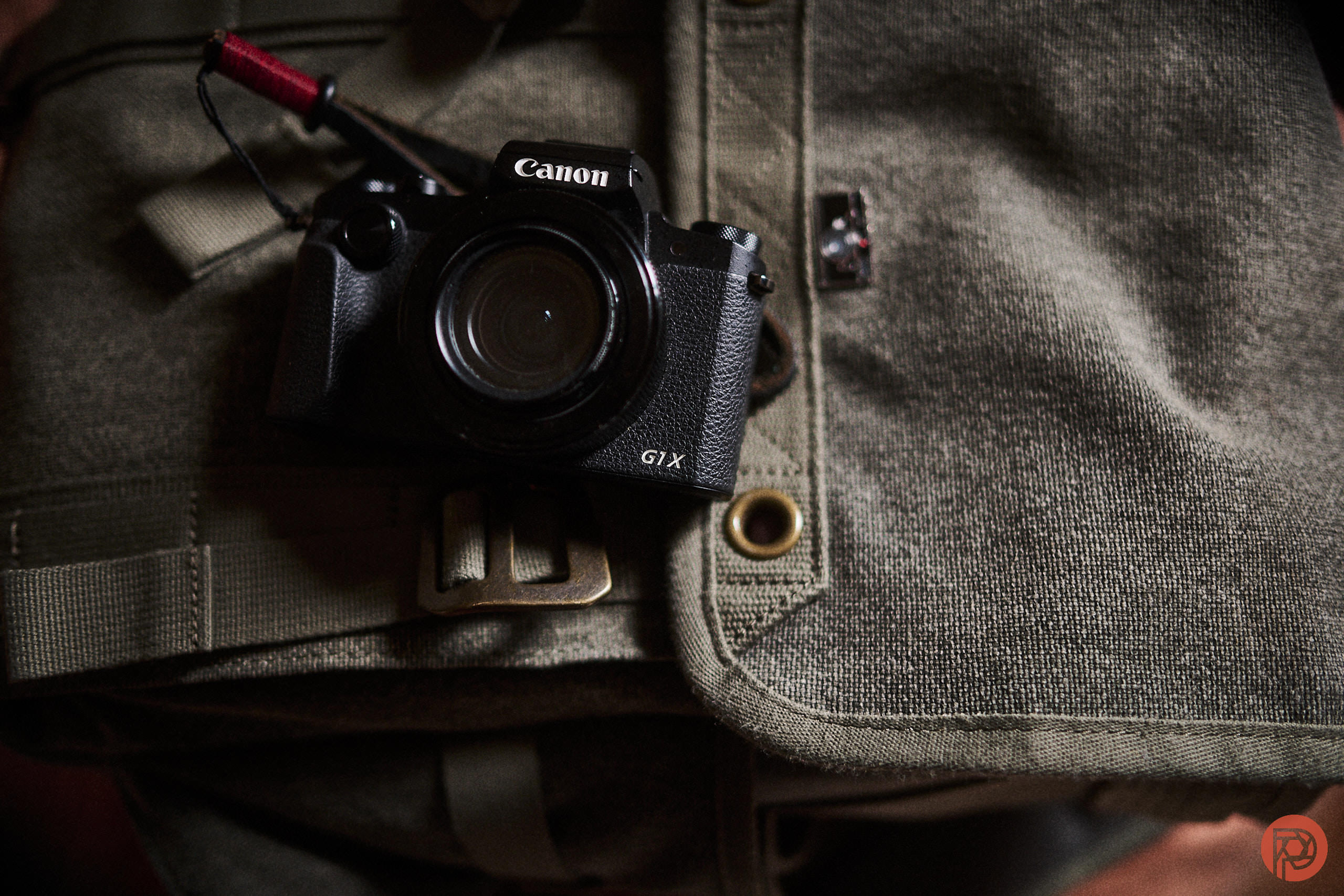
The enduring appeal of the Canon G1x Mk III, even in a landscape saturated with increasingly sophisticated smartphone cameras and mirrorless options, speaks volumes about the value of a truly well-executed point-and-shoot. The Phoblographer’s revisiting of this camera after a year of neglect, and the subsequent validation of its continued excellence, resonates with a core truth about photography: sometimes, simplicity and refinement triumph over sheer technological horsepower. The article’s author’s frustration with Canon’s perceived abandonment of their customers adds a layer of complexity – a recurring sentiment within the photography community, particularly regarding legacy products. This echoes the discussions around optimizing workflows, as explored in [How to Leverage Linear Camera Profiles in Your Editing Workflow], demonstrating the importance of understanding the underlying mechanics of image creation, even when utilizing seemingly straightforward equipment. Furthermore, the G1x Mk III’s ability to deliver compelling images underscores the fundamental principles of photographic composition and artistic vision, something we regularly encourage readers to explore further, as highlighted in [Giving Your Photography a New Perspective].
The camera’s revival isn't merely about nostalgia; it highlights a crucial distinction between features and quality. Modern cameras often boast a dizzying array of bells and whistles, but the G1x Mk III's value lies in its focused approach. Its large APS-C sensor, a rarity in the point-and-shoot category, delivers an image quality that rivals many larger, more complex systems. This allows for a depth of field control and image rendering that elevates it beyond the typical smartphone snapshot. The author’s experience underscores that while technological advancements continue at a relentless pace, the core principles of good photography—light, composition, and moment—remain paramount. The frustration with Canon’s perceived lack of support for older models is a valid concern, prompting users to consider the longevity and sustainability of their photographic investments. It’s a counterpoint to the constant push for the "newest and greatest," reminding us to appreciate the enduring value of well-designed tools. The challenges of correcting image imperfections, as detailed in [What Is Longitudinal Chromatic Aberration and Why Is It So Hard to Correct?], further emphasizes the importance of understanding the technical aspects of image quality, regardless of the camera used.
The G1x Mk III’s continued relevance also challenges the prevailing narrative that point-and-shoot cameras are obsolete. In an era dominated by smartphones, the dedicated camera, particularly one with a larger sensor and more manual controls, offers a distinct advantage in image quality and creative flexibility. It’s a tool for photographers who prioritize the art of capturing a moment over the convenience of instant sharing. The compact form factor, combined with the image quality capabilities, makes it an ideal travel companion – a camera that can be readily carried and used without drawing undue attention. The resurgence of interest in film photography, and the appreciation for tangible, deliberate processes, suggests a broader trend towards a more considered approach to image creation – aligning perfectly with the G1x Mk III’s understated elegance and focused functionality. It's a deliberate choice, a rejection of the ephemeral nature of digital photography in favor of something more tangible and lasting.
Looking ahead, the story of the Canon G1x Mk III serves as a compelling case study for the enduring power of thoughtful design and focused execution. While newer models undoubtedly offer advancements, the G1x Mk III’s legacy is secure, representing a sweet spot between image quality, portability, and ease of use. The question remains: will Canon, or other manufacturers, recognize the continued demand for compact, high-quality cameras that prioritize image quality over sheer feature density, or will the relentless pursuit of innovation continue to eclipse the value of refined, enduring designs? The camera landscape continues to evolve, but the Canon G1x Mk III's quiet resurgence suggests that sometimes, the best tools are the ones that have already stood the test of time.
Read on the original site
Open the publisher's page for the full experience