It’s Time for a Panoramic Fujifilm X100: It Would Be a Huge Hit
Our take
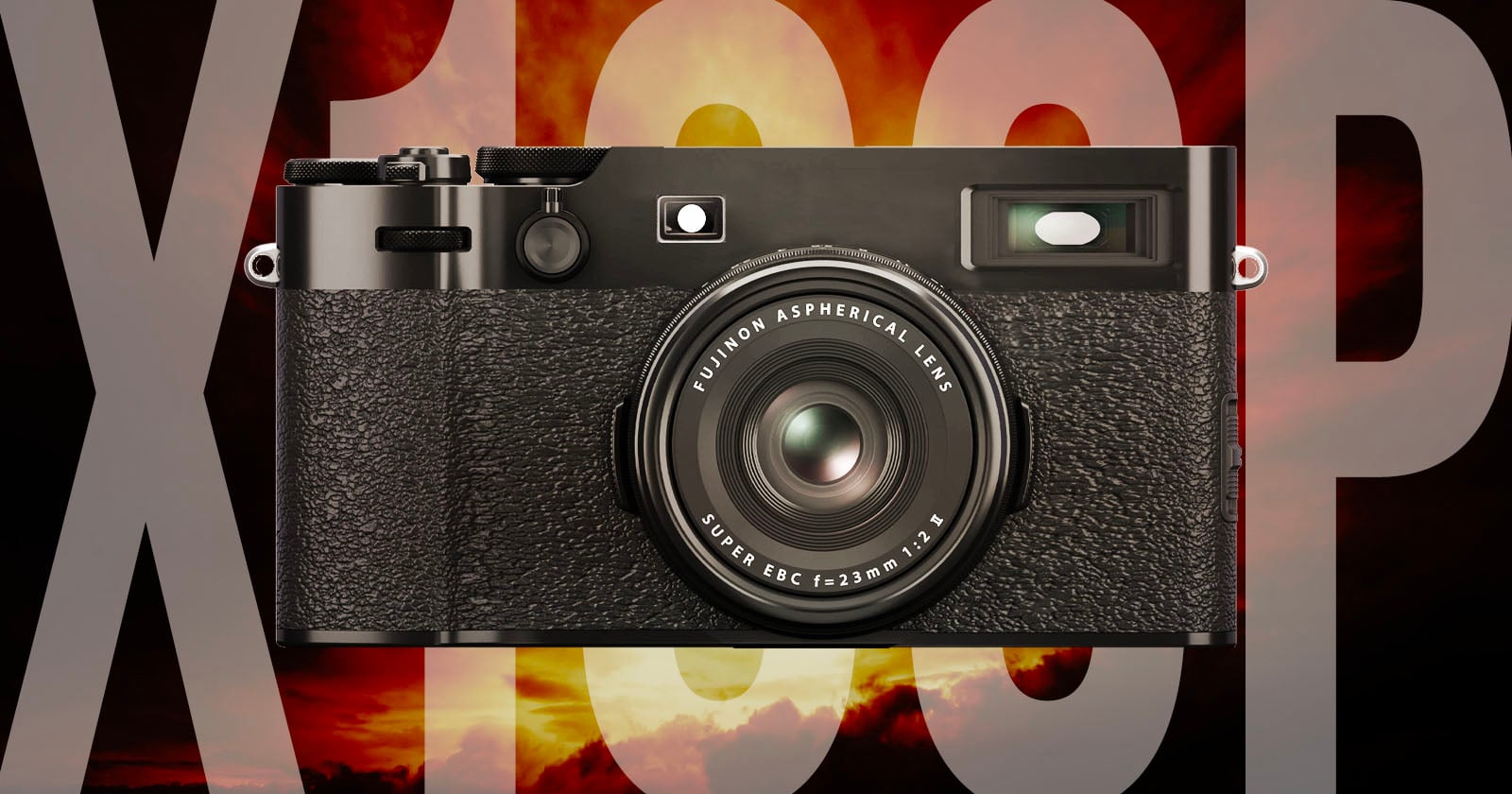
The resurgence of analog photography continues to shape the landscape of image creation, and the recent call for a panoramic Fujifilm X100 resonates deeply with this trend. It's fascinating to see how photographers are exploring alternative formats, driven by a desire for a unique aesthetic and a tactile connection to the process. This echoes the growing appreciation for deliberate, considered approaches to photography, as highlighted in The Key to Making a Better Photography Portfolio, where the emphasis on still photography over fleeting video content underscores a shift towards more thoughtful image-making. The author’s journey from the Hasselblad XPan to 3D-printed analog options speaks to a dedicated pursuit of the panoramic perspective, and the desire for a digital equivalent is a logical extension of that exploration. Fujifilm’s established reputation for exceptional image quality and user-friendly design makes them a natural candidate for fulfilling this niche, and the X100 series already holds a revered status among photographers seeking a blend of classic aesthetics and modern capabilities.
The appeal isn't simply about the wider field of view; it’s about the narrative possibilities inherent in panoramic photography. It allows photographers to capture immersive scenes, conveying a sense of place and scale that a standard frame struggles to achieve. The author’s experience with analog panoramic formats like the Sasquatch and Exposing Engineering devices reveals a community of enthusiasts actively pushing the boundaries of image creation. Considering the current market, where affordability and accessibility play a significant role – as demonstrated by the rise of innovative options like This New $20 35mm Film Camera Embraces a Classic East German Brand – a digital panoramic X100 could bridge the gap for photographers who appreciate the aesthetic but prefer the convenience and immediacy of digital capture. Fujifilm’s commitment to film simulation recipes further strengthens the case; imagine the ability to apply their signature color profiles to panoramic images, creating a truly distinctive visual style. The ability to seamlessly integrate into a photographer’s existing workflow, without sacrificing image quality or creative control, would be a significant advantage.
The timing feels particularly apt. The focus on documentary and observational photography, often requiring a broader perspective to capture the context of a scene, aligns perfectly with the panoramic format. We’ve seen photographers, like the one documenting Chilean ranchers in Photographer Spends Six Years with Chilean Ranchers Who Live in Isolation, demonstrating the power of long-term visual storytelling and the importance of capturing the entirety of a subject’s environment. A panoramic X100 would empower photographers to tell these stories with greater depth and nuance, offering a unique tool for visual exploration and narrative construction. The existing X100 line's cult following suggests a strong base of potential adopters, eager to embrace a new creative possibility from a brand they already trust and admire.
Ultimately, the success of a panoramic Fujifilm X100 hinges on balancing the technical aspects of wide-angle optics and sensor coverage with the intuitive design and user experience that define the X100 series. Will Fujifilm be able to deliver a panoramic camera that maintains the series’ signature aesthetic while providing a genuinely useful and compelling photographic tool? The demand is clearly there, driven by a broader appreciation for alternative formats and a desire for creative expression beyond the confines of the traditional frame. It will be fascinating to observe whether Fujifilm takes up this challenge and how it shapes the future of panoramic photography in the digital age.
For the past year, I've been focusing mainly on panoramic photography. It started with the Hasselblad XPan, which led me to purchase the Fujifilm TX-1, and even made me go further into the 3D printed 120 format world with Sasquatch, CCB, and Exposing Engineering. But that's all analog, and digital photographers deserve an option, too.
Read on the original site
Open the publisher's page for the full experience