Kodak Has Overtaken Fujifilm as Japan’s Film Brand of Choice
Our take
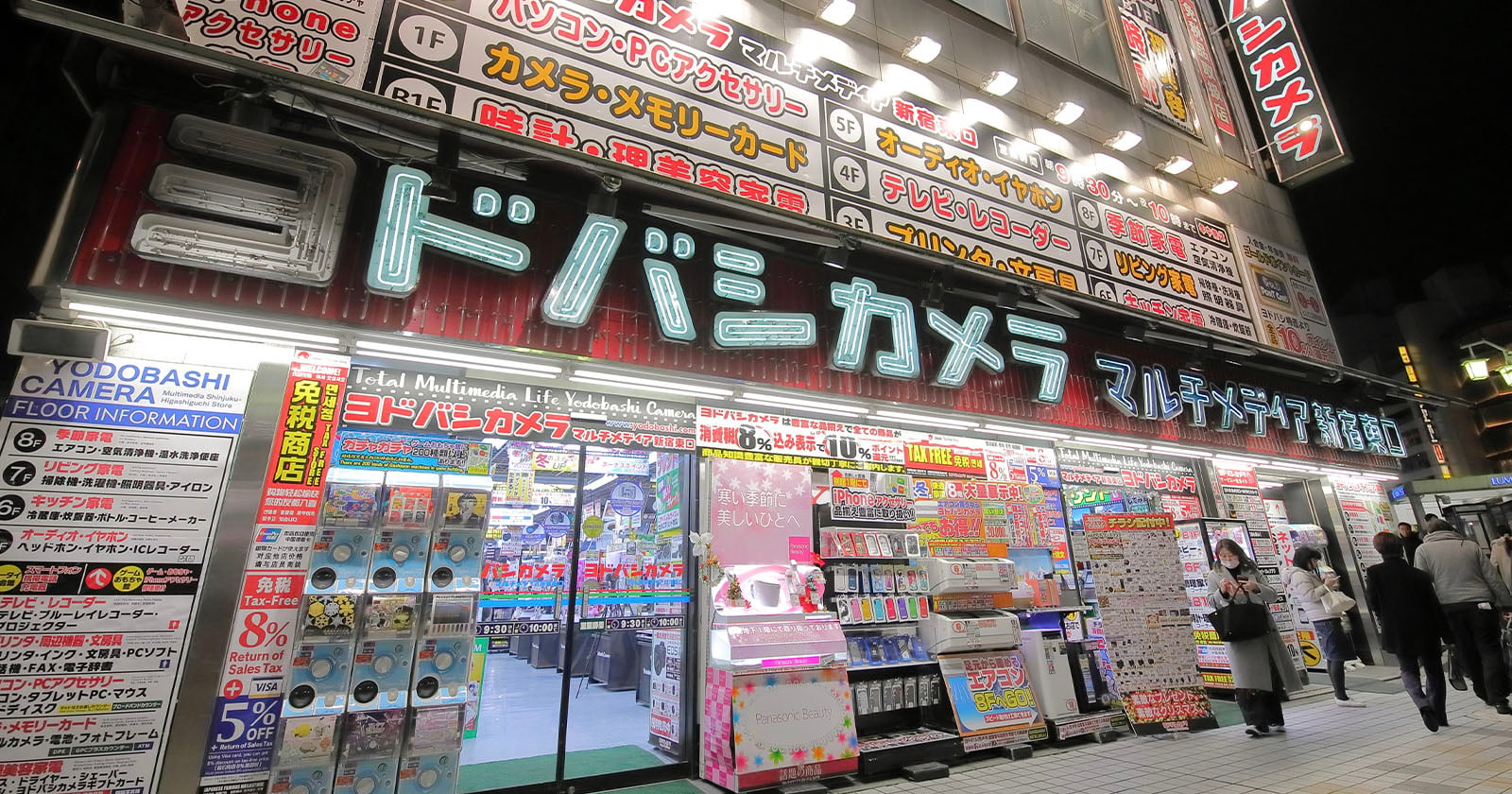
The resurgence of film photography, particularly in Japan, is a compelling narrative, and Kimiyasu Morikawa’s survey data offers a fascinating lens through which to view it. The shift from Fujifilm's dominance to Kodak’s ascendancy as Japan’s preferred film brand isn't merely a statistic; it's a reflection of evolving market dynamics and consumer priorities. We’ve observed this renewed interest in analog photography globally, with many photographers seeking a tangible, deliberate creative process—a stark contrast to the immediacy of digital. This trend aligns with our own coverage of the rising popularity of dedicated cameras for travel photography Travel Photographers Will Adore These 4 Cameras, where the desire for a more intentional photographic experience is clearly evident. The appeal of film’s unique aesthetic—its grain, its color rendition, its inherent imperfections—resonates with a generation seeking authenticity in a digitally saturated world.
The key driver behind this shift, according to the survey, appears to be Fujifilm’s recent price increases. While Fujifilm has long been synonymous with high-quality film stock, particularly its renowned color emulsions, these price adjustments have seemingly priced out a segment of the Japanese market. Kodak, historically perceived as the American alternative, has capitalized on this opportunity, offering a more accessible option without sacrificing quality. It’s interesting to consider this in relation to our recent exploration of niche film stocks, like the Kodak Verita 200, which isn’t readily available to consumers but offers a distinct aesthetic Kodak Verita 200: No Consumer Version of This Film Exists But I Shot It Anyway. The demand for unique and specialized films underscores the continued experimentation and passion within the film photography community, regardless of price point. Understanding the nuances of white balance, even in analog photography, can also contribute to a more considered photographic approach The White Balance Setting that Makes Portrait and Landscapes Better, suggesting a deeper engagement with the craft.
The implications of this change extend beyond simple market share. It speaks to the resilience of the film photography movement and its ability to adapt to economic realities. Fujifilm’s decision to raise prices, while potentially driven by increased production costs and a perceived reduced demand, ultimately created an opening for Kodak to reclaim ground. This underscores a crucial lesson for all brands operating in niche markets: responsiveness to consumer sentiment and pricing sensitivity is paramount, even within communities deeply passionate about a product. The Japanese market, known for its meticulousness and appreciation for quality, serves as a particularly insightful bellwether for broader trends in the film photography world. The fact that Kodak, a brand that faced near-obsolescence in the digital era, can now claim the top spot in a key market demonstrates the enduring appeal of analog processes and the potential for revitalization through strategic positioning.
Looking ahead, the dynamic between Kodak and Fujifilm will undoubtedly be one to watch. Will Fujifilm adjust its pricing strategy to regain market share? Will Kodak continue to innovate and expand its film offerings to cater to the diverse needs of film photographers? More importantly, will this shift inspire other manufacturers to re-enter the film market or invest further in analog technologies? The resurgence of film photography isn't a fleeting trend; it's a testament to the enduring power of tangible creation and the desire for a more deliberate and authentic photographic experience. The question now is whether this renewed interest will lead to a broader renaissance in analog photography, or remain a niche pursuit enjoyed by a dedicated community.
Last year, Kimiyasu Morikawa published the first comprehensive film usage survey conducted in Japan, giving insight into usage habits, brands, and more. It is the only publicly available recurring survey of film photographers in Japan and is now in its second year.
Read on the original site
Open the publisher's page for the full experience