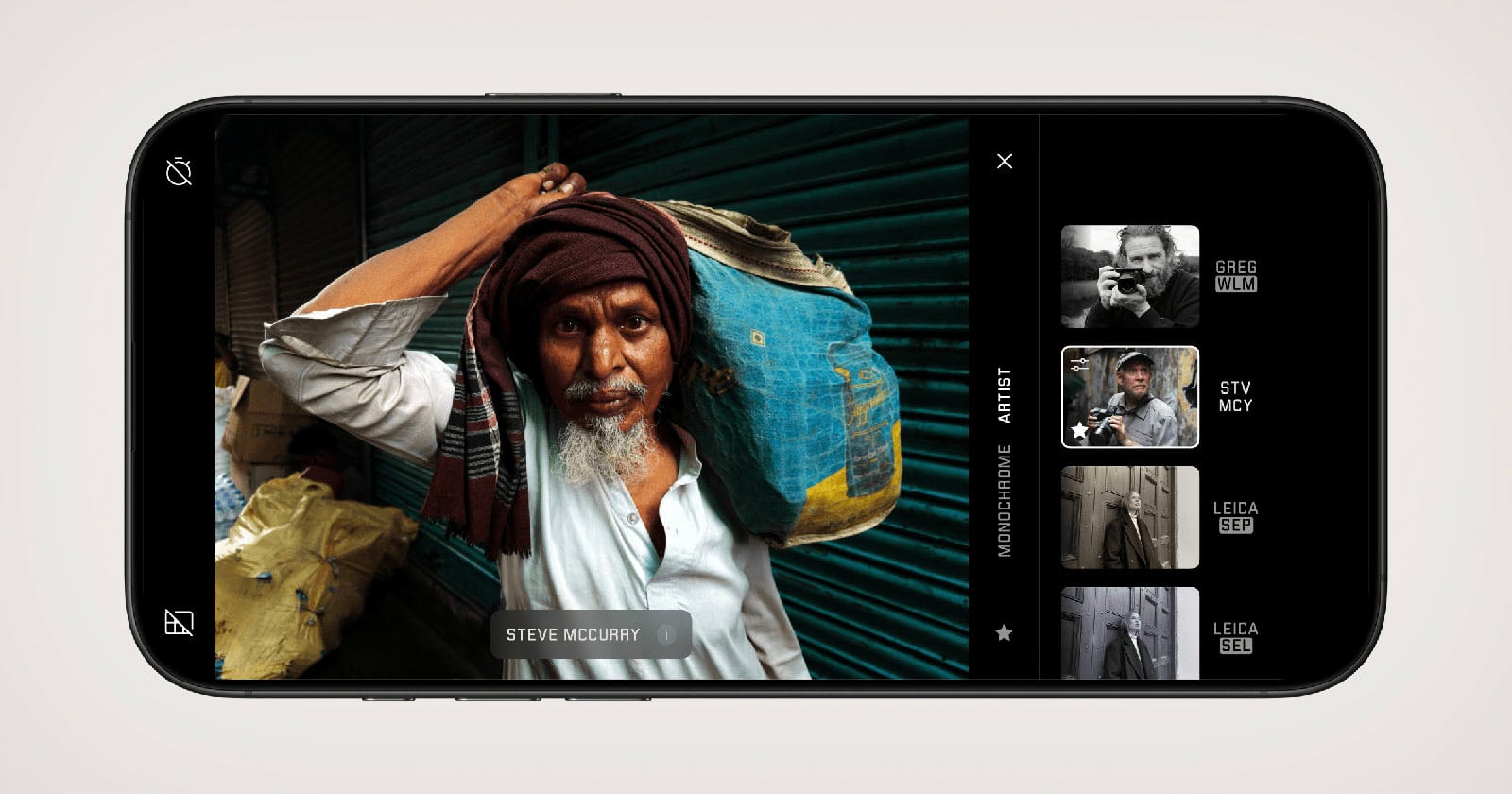
The announcement of Leica Lux 2.0 for iPhone feels less like a simple app update and more like a quiet assertion of artistic intent in an increasingly saturated mobile photography landscape. Leica’s heritage is inextricably linked to the pursuit of image quality and a deliberate, considered approach to capturing the world—values often lost in the instant gratification of smartphone photography. This update, promising the “most comprehensive” changes yet, signals a continued commitment to bridging that gap, offering a curated experience that aims to elevate the iPhone’s capabilities beyond the typical filters and presets. It’s a fascinating development, especially when considered alongside explorations of visual storytelling like [Moments Captured: Shin Noguchi’s Street Photography, Now in a Deck], which highlights the power of intentional framing and perspective, and in contrast to the sheer technological horsepower being packed into devices like the [Xiaomi 18 Series: Where Photography and Performance Converge Globally], which prioritizes raw processing power. The question becomes: can Leica truly infuse the immediacy of mobile photography with the legacy of its renowned optical engineering and aesthetic philosophy?
Leica Lux 2.0's claim of a "look made by Steve McCurry" is particularly intriguing. McCurry, a legend in photojournalism known for his evocative portraits and masterful use of light, lends immediate credibility and an aspirational quality to the app. It suggests a shift beyond mere technical enhancements, hinting at a focus on stylistic guidance and a pathway to achieving a recognizable, artistic aesthetic. The inclusion of filters named after McCurry and other photographers underscores this ambition—it's not just about improving the image, but about imbuing it with a specific visual voice. This mirrors a broader trend within the photography world, exemplified by the recent exploration of [Celebrating Portraits: Photography Honoring the Spectrum of Skin Tones], where technical skill is intrinsically linked to cultural sensitivity and a nuanced understanding of representation. The app’s success will hinge on whether it can genuinely translate McCurry’s artistic vision into accessible and intuitive tools for iPhone users, avoiding the pitfalls of superficial imitation.
The broader significance of Leica Lux 2.0 extends beyond the immediate functionality of the app itself. It represents a growing recognition that smartphone photography isn’t just about convenience; it’s about democratizing access to tools that can facilitate artistic expression. While dedicated cameras will always offer a superior level of control and image quality, Leica’s investment in the iPhone platform acknowledges the reality that for many, the smartphone is the primary camera. By offering a curated and sophisticated photographic experience within that ecosystem, Leica is not only appealing to existing enthusiasts but potentially cultivating a new generation of mobile photographers who appreciate the nuances of composition, lighting, and post-processing—a subtle but important shift in the mobile photography mindset. The challenge, however, lies in striking a balance between accessibility and depth; the app must be intuitive enough for casual users while still providing advanced features for those seeking greater creative control.
Ultimately, Leica Lux 2.0 is a statement about the evolving relationship between technology and artistry. It’s a signal that even in a world dominated by computational photography and AI-powered image processing, the principles of visual composition, lighting, and aesthetic vision remain paramount. As mobile devices continue to evolve, and computational photography becomes even more sophisticated, will we see more established camera brands prioritizing curated creative experiences within the mobile space, or will they double down on the dedicated camera market? The success of Leica Lux 2.0, and the response from both casual users and seasoned photographers, will offer a valuable glimpse into the future of photography.