Leica’s Impressive Four-Year Streak of Record-Setting Revenue Just Ended
Our take
## Our Take: Leica’s Plateau – A Sign of Maturity, Not Decline
The news that Leica’s remarkable four-year streak of record-setting revenue has ended might initially trigger a sense of alarm for those closely following the luxury camera market. However, to interpret this as a sign of decline would be a significant misstep. Leica's sustained success over the past few years has been nothing short of extraordinary, defying trends in an industry largely dominated by smartphone photography. Their ability to cultivate a fervent following willing to pay a premium for their meticulously crafted cameras and lenses – a testament to their heritage, build quality, and unique optical signature – is a masterclass in brand building. The fact that they’ve managed to maintain such high performance for so long is the real story, and a slight plateau, as reported by PetaPixel [Leica’s Impressive Four-Year Streak of Record-Setting Revenue Just Ended], is a natural consequence of reaching a certain level of market penetration. We’ve seen similar phenomena with other luxury brands; sustained, exponential growth is rarely sustainable indefinitely. Consider, for example, the broader luxury goods sector, where brands often navigate periods of stabilization after initial surges in popularity. The enduring appeal of Leica’s craftsmanship and the exclusivity they cultivate are powerful forces, and these aren’t easily disrupted.
The context here is crucial. The camera industry as a whole continues to face challenges, with mirrorless technology rapidly evolving and consumer spending shifting towards mobile devices. Leica’s strategy has always been to occupy a niche, catering to a discerning clientele who prioritize image quality, tactile experience, and the legacy of the brand over sheer technological advancement. They haven't chased every megapixel race or incorporated every new feature; instead, they've doubled down on their core strengths. This approach has resonated strongly with professionals and serious enthusiasts, but it inherently limits their potential for mass-market growth. Furthermore, the global economic climate undeniably plays a role. Luxury goods sales are often sensitive to economic fluctuations, and any slowdown in discretionary spending will inevitably impact even the most prestigious brands. This isn't unique to Leica; we saw similar headwinds affecting high-end watchmakers recently, as detailed in The Luxury Watch Market is Showing Signs of Cooling. Leica's continued strong sales, even without hitting a new revenue record, should be viewed as a sign of resilience, not weakness.
The implications for the broader photography space are significant. Leica’s success has demonstrated that there’s a continued, and substantial, demand for high-quality, analog-inspired photographic tools, even in a digital age. Their influence can be seen in the design and marketing of competing cameras from other manufacturers, who are increasingly emphasizing tactile controls, robust build quality, and a sense of heritage. Leica has, in essence, redefined the concept of “luxury” in the camera world, moving beyond mere technological specifications to encompass a holistic experience centered around artistry and craftsmanship. Their commitment to manual controls and the unique character of their lenses appeals to photographers who seek a more intimate connection with their craft. This isn’t about capturing the most technically perfect image; it's about capturing a feeling, a moment, with a tool that feels as good in the hand as the resulting photographs look. This aesthetic has even permeated into film photography’s resurgence, as explored in Film Photography’s Unexpected Comeback, further validating Leica's core philosophy.
Looking ahead, the key question for Leica will be how they navigate this period of stabilization. Will they continue to focus on their core strengths, refining existing models and exploring subtle innovations that align with their brand identity? Or will they attempt to broaden their appeal by venturing into new product categories or embracing more mainstream technologies? The answer likely lies in maintaining the delicate balance between preserving their heritage and adapting to the evolving needs of their discerning clientele. It will be fascinating to observe how Leica leverages its established brand equity and loyal customer base to ensure continued success in an increasingly competitive landscape. The focus will undoubtedly remain on curated experiences and fostering a vibrant community around the Leica brand, ensuring that the pursuit of photographic excellence remains at the heart of everything they do.
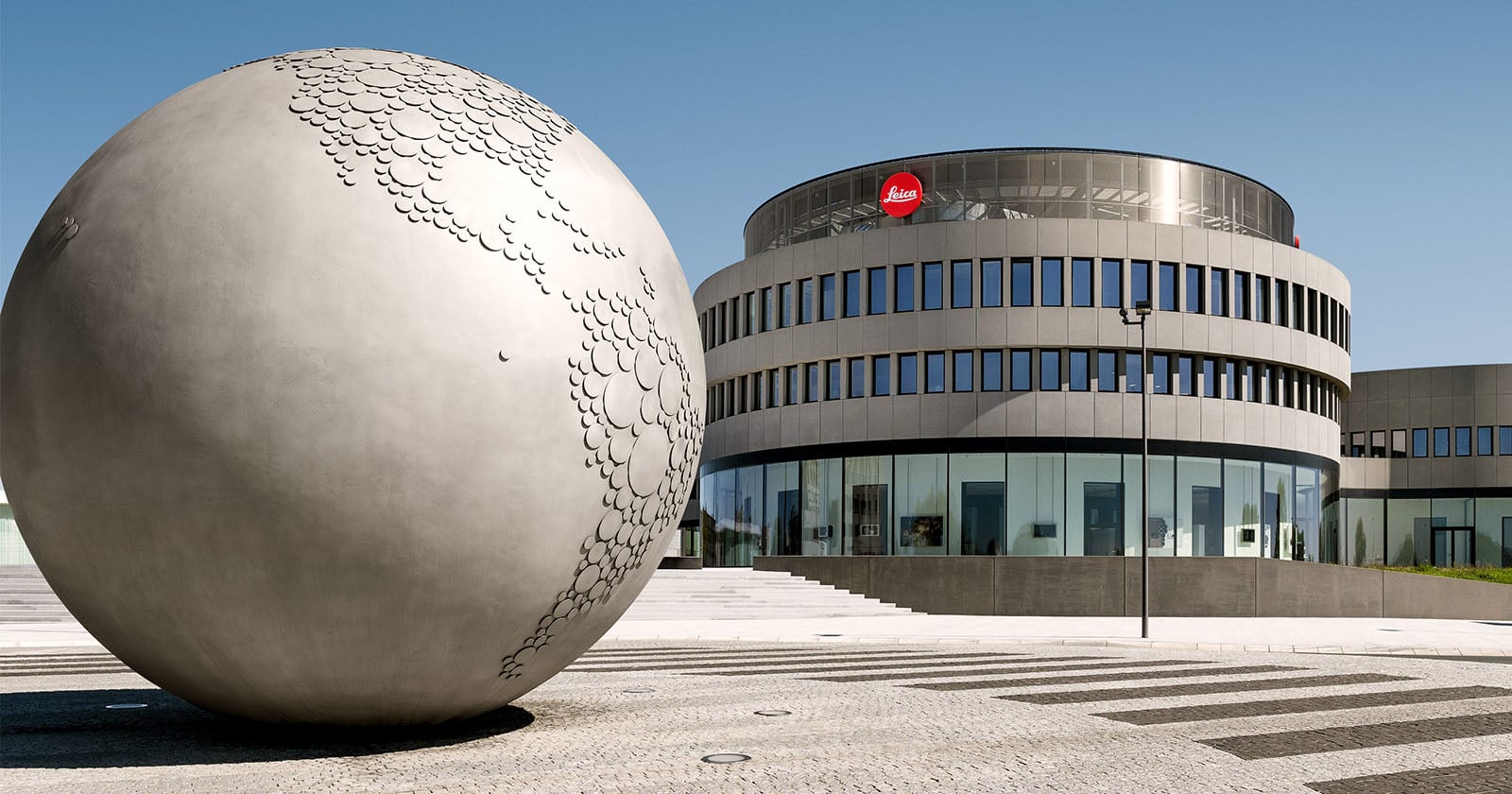
Although Leica did not achieve record revenue for its fifth consecutive year, the legendary German camera company nonetheless sold a ton of product and made a lot of money.
Read on the original site
Open the publisher's page for the full experience