Martin Parr Mural Planned at Iconic Location Where He Photographed ‘The Last Resort’
Our take
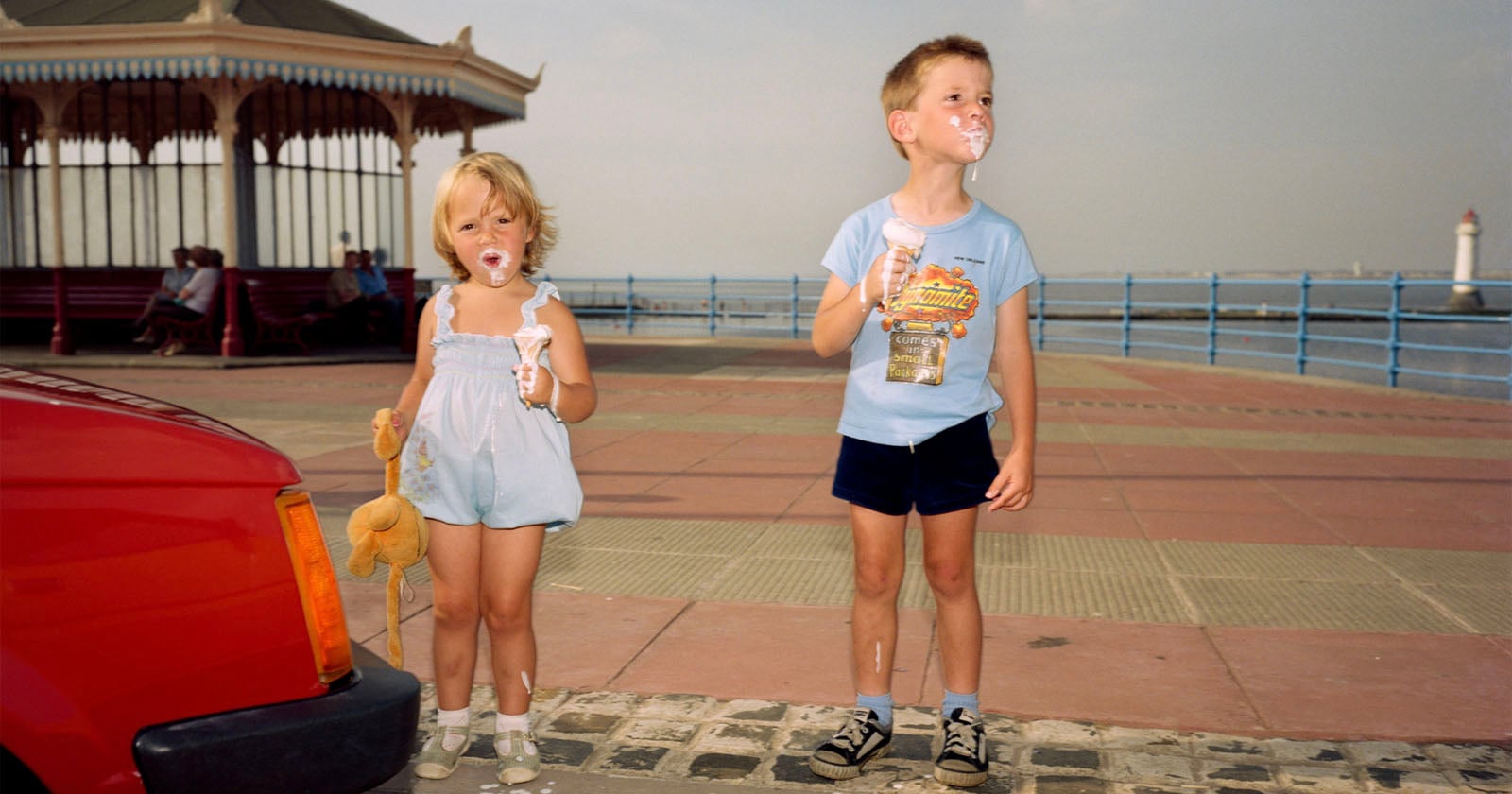
The announcement of a permanent Martin Parr mural at the very location where he captured his seminal *The Last Resort* series is more than just a charming tribute; it’s a powerful statement about the enduring legacy of documentary photography and its ability to both reflect and shape our understanding of place. Parr’s work, with its unflinching gaze at the British seaside, remains a touchstone for photographers exploring social realism and the everyday. The decision to memorialize it in this way, embedding the imagery directly into the landscape it depicts, elevates the series to a new level of cultural significance. It’s a recognition that Parr didn't simply document a place; he created a lasting visual record of a specific moment in British social history, a moment that continues to resonate with audiences today. The visual impact of this mural, a constant reminder of Parr’s perspective, will undoubtedly draw further attention to the area and inspire future generations of artists. It echoes a similar approach to celebrating artistic legacies, seen in projects like [11 Award-Winning Photos Show Science in Action], where visual storytelling captures profound truths about our world.
The brilliance of *The Last Resort* lies in its ability to simultaneously critique and celebrate the subjects it portrays. Parr’s use of saturated color and a seemingly detached perspective initially sparked debate, with some critics accusing him of voyeurism or exploitation. However, the series ultimately transcends these criticisms, offering a nuanced and complex portrait of working-class leisure and the fading grandeur of British seaside resorts. It’s a reminder that documentary photography isn’t about objective truth; it's about a particular point of view, a curated selection of moments that shape our perception of reality. This concept of perspective and unique vision is also evident in the work highlighted in [This Photographer Searched for Humanity in Bulgaria’s Most Infamous Prison], where the photographer's lens becomes a tool for revealing the unseen and challenging preconceived notions. The mural's placement ensures that this perspective remains visible and accessible, prompting ongoing dialogue about class, tourism, and the changing face of Britain. The inclusion of a permanent installation underscores the importance of preserving photographic heritage and providing tangible access to significant works of art, much like the innovative mounting solutions explored in [Godox’s New Electric Suction Cup Lets Photographers Put Lights In Unusual Places], which demonstrates a dedication to expanding creative possibilities.
This move also speaks to a broader trend in public art – the desire to engage with photography in meaningful and enduring ways. Murals, in particular, offer a unique opportunity to bring art out of the gallery and into the everyday, creating a more democratic and accessible experience for viewers. Unlike a framed photograph hanging on a wall, a mural becomes part of the urban fabric, a constant presence in the lives of those who pass by. It transforms a familiar location into a site of artistic contemplation, encouraging passersby to pause, reflect, and engage with the work on their own terms. The permanence of the mural reinforces the idea that Parr's vision is not a fleeting moment but a lasting contribution to the cultural landscape. It’s a testament to the power of photography to capture not just images but also emotions, memories, and the essence of a place.
Looking ahead, it will be fascinating to observe how the mural impacts the local community and the broader perception of *The Last Resort*. Will it attract more tourists, sparking renewed interest in the area? Will it inspire local artists to create their own works in response to Parr’s legacy? Or will it simply become another piece of public art, gradually fading into the background? Regardless of the outcome, the creation of this mural represents a significant moment for both Martin Parr and the field of documentary photography, prompting us to consider the role of art in shaping our understanding of place and ourselves. It raises the important question: how do we best preserve and celebrate the visual narratives that define our collective memory?
A permanent mural is being planned in tribute to the late photographer Martin Parr at the iconic location where he created his acclaimed series The Last Resort.
Read on the original site
Open the publisher's page for the full experience