Midjourney, the AI Image Generator Company, is Making an MRI Scanner
Our take
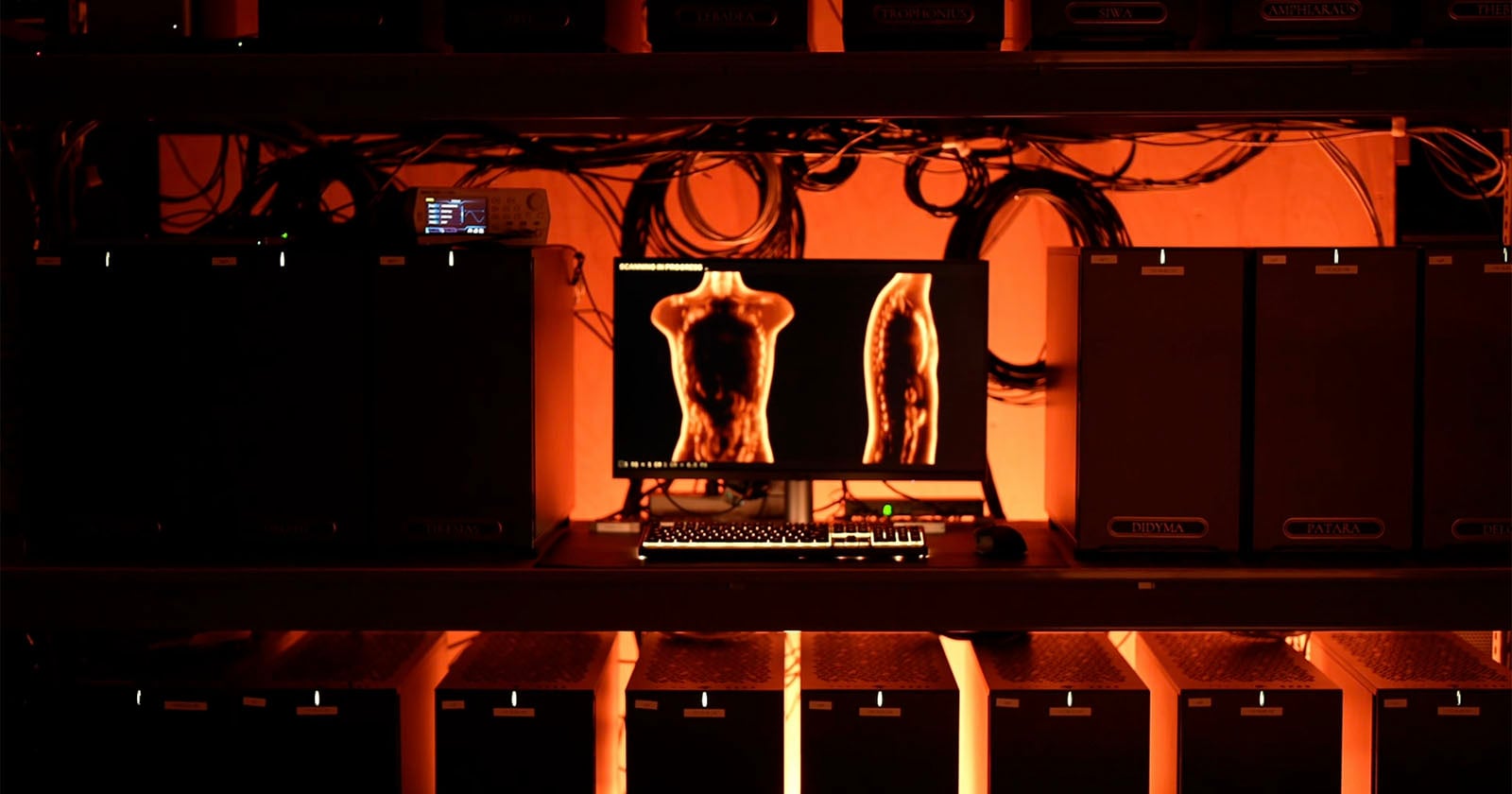
The announcement from Midjourney, the AI image generator, to venture into the realm of medical technology—specifically, the development of an MRI scanner—is a genuinely surprising pivot, particularly given their recent struggles in a rapidly evolving AI landscape. While companies like Google and OpenAI have significantly outpaced Midjourney in the generative AI image space, this move signals a bold ambition to redefine their brand beyond purely aesthetic creation. It’s a fascinating case study in adaptation and diversification, and one that deserves careful consideration. The news arrives amidst broader conversations about the reliability of technology we depend on, as evidenced by concerns regarding counterfeit memory cards [Are Counterfeit, Scam SD Memory Cards Really a Problem?] and the unique challenges faced by medical professionals in high-pressure environments [Inside the Music Festival Medical Tent]. Midjourney's foray into healthcare suggests a willingness to tackle complex, real-world problems, moving far beyond the realm of artistic renderings.
The core question, of course, is *how* Midjourney, a company known for its stylistic image generation, possesses the expertise to build medical hardware. The initial reports suggest a focus on leveraging their AI capabilities to optimize the scanning process, potentially by reducing scan times, enhancing image clarity, or even personalizing scans based on individual patient data. This isn't necessarily about designing the physical scanner itself, but rather about employing AI to improve its functionality and the data it produces. It's a smart approach, allowing them to capitalize on their AI strengths while partnering with established medical engineering firms for the hardware component. Furthermore, the visual nature of medical imaging—the interpretation of complex scans—aligns surprisingly well with Midjourney’s existing skill set. The ability to discern subtle details and patterns within images, a hallmark of their artistic output, could translate into valuable insights for medical diagnostics. The creative process, in a sense, finds a new application.
The broader significance of this development extends beyond Midjourney’s individual success or failure. It represents a growing trend of AI companies expanding their horizons beyond their initial domains. We’ve seen this with companies applying AI to financial modeling, autonomous vehicles, and countless other industries. This diversification is driven by several factors, including increased competition in core markets and the recognition that AI’s potential extends far beyond its initial applications. However, it also raises important questions about expertise and regulation. Can a company with a background in generating digital art truly navigate the complexities of medical device development and adhere to rigorous safety and regulatory standards? It’s a challenge, but the potential rewards – increased efficiency, improved patient outcomes, and a more accessible healthcare system – are compelling enough to warrant exploration. Even artists exploring new creative avenues can benefit from understanding the technical foundations of their tools, as exemplified by musicians grappling with the pressures of modern performance [Ben Gibbard Runs Off the Pressure].
Ultimately, Midjourney’s venture into medical technology is a high-risk, high-reward proposition. It’s a gamble that could either solidify their position as a forward-thinking innovator or expose their limitations. What’s particularly intriguing is the potential for AI to reshape not just the *technology* of medical imaging, but also the *workflow* surrounding it – from image acquisition to diagnosis and treatment planning. As AI continues to permeate every aspect of our lives, it will be crucial to monitor how these advancements impact both technological innovation and the human element, ensuring that progress benefits all stakeholders. The question now is: will Midjourney's artistic vision translate into a tangible improvement in healthcare, or will this ambitious foray prove to be a misstep in a field demanding unparalleled precision and reliability?
Midjourney has been largely surpassed in the AI image world by tech behemoths Google and OpenAI. But today it’s made a surprise announcement: it’s getting into health.
Read on the original site
Open the publisher's page for the full experience