Miller Tripods is Closing Down After Nearly 80 Years of Business
Our take
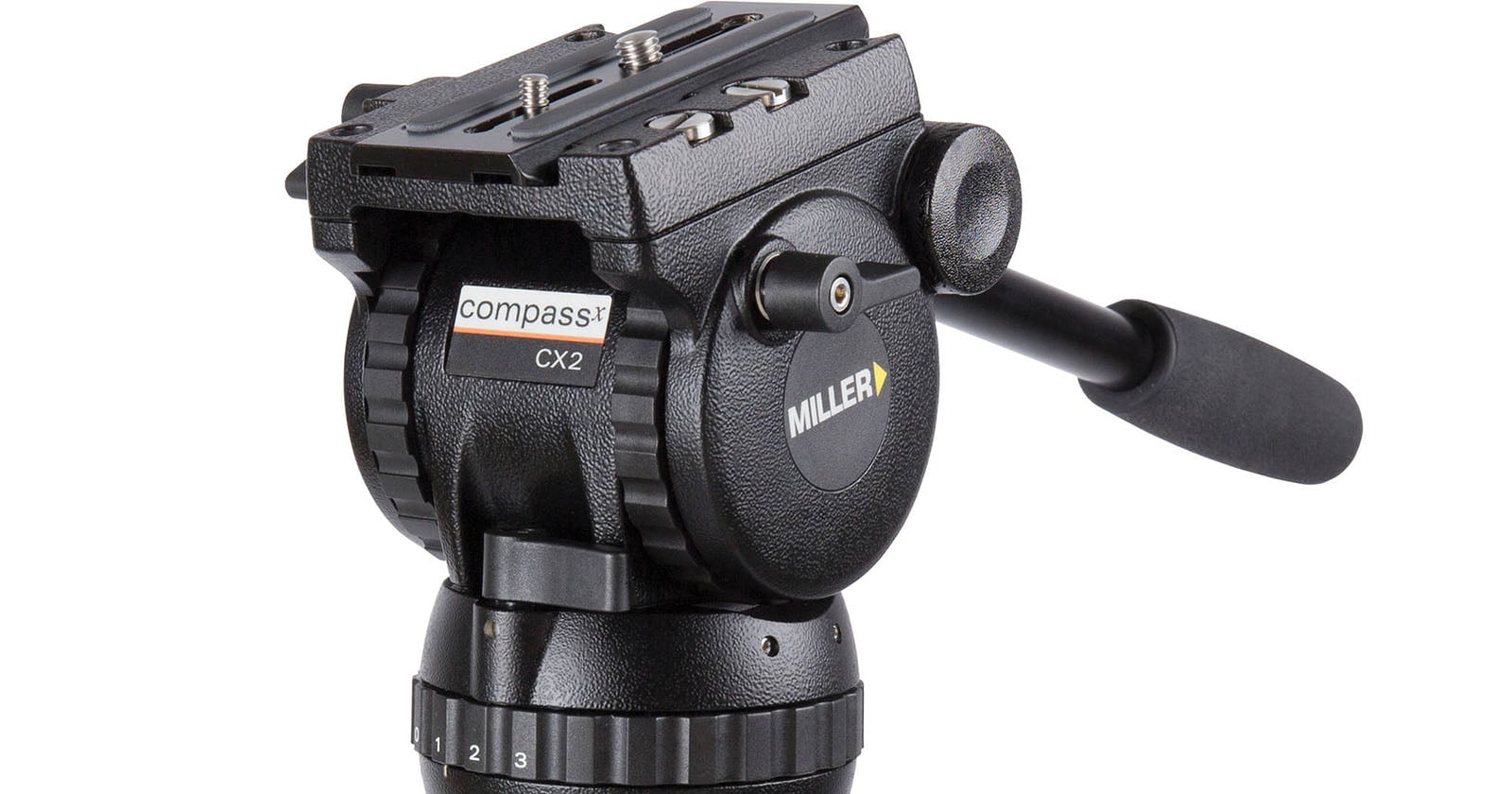
The news of Miller Tripods ceasing operations after nearly eight decades is a significant loss, not just for the cinematography community, but for the broader landscape of precision engineering and enduring craftsmanship. Miller’s invention of the fluid head in 1946 fundamentally altered filmmaking, allowing for the smooth, dynamic camera movements we now take for granted. Their equipment became synonymous with quality and reliability, gracing countless film and television sets worldwide. This isn't merely the shuttering of another company; it represents the fading of a legacy built on innovation and a dedication to the art of visual storytelling. The implications are far-reaching, particularly as the industry continues to evolve with the rise of independent filmmakers and the increasing accessibility of high-quality filmmaking tools. For those interested in the history of camera support systems, a fascinating read can be found The Evolution of Camera Support. Considering the rise of gimbal technology and stabilized lenses, it’s easy to overlook the foundational importance of a well-engineered tripod head, but Miller’s contribution remains undeniable.
The reasons behind Miller’s closure aren’t explicitly detailed in the initial report, but it's likely a confluence of factors impacting the manufacturing sector. Increased competition from lower-cost alternatives, particularly from Asia, has undoubtedly put pressure on traditional Western manufacturers. The changing nature of filmmaking itself, with the proliferation of smaller crews and a greater emphasis on lightweight, portable equipment, may have also contributed to a shift in demand. While gimbal technology offers impressive stabilization, a robust tripod head remains crucial for static shots, complex setups, and situations requiring absolute precision. The market segmentation has likely become more challenging, with a need for both high-end, precision equipment and more accessible, budget-friendly options. It's a familiar story across many industries – the struggle to maintain a premium position in an increasingly competitive and rapidly evolving market. For a deeper look at the challenges facing traditional manufacturing, consider this article on The Future of Manufacturing.
Beyond the immediate impact on filmmakers and cinematographers who rely on Miller’s equipment, this closure raises questions about the future of specialized manufacturing in the West. Miller wasn’t just building tripods; they were building a reputation for engineering excellence and a commitment to quality that’s increasingly rare. The loss of this expertise represents a broader trend of deindustrialization and the outsourcing of manufacturing to regions with lower labor costs. While globalization has undoubtedly brought benefits in terms of affordability and access to goods, it has also come at a cost – the erosion of domestic manufacturing capabilities and the loss of skilled jobs. The industry is already seeing a resurgence of interest in modular and adaptable systems, which may offer a path forward for companies seeking to meet the diverse needs of modern filmmakers. We recently covered The Rise of Modular Camera Rigs which highlights this trend.
Looking ahead, the question becomes: who will step into the void left by Miller? While other reputable manufacturers of tripod heads exist, Miller’s legacy of innovation and precision will be difficult to replicate. The cinematography community will need to adapt to a changing landscape, and the demand for high-quality, reliable camera support systems will likely persist. It's a stark reminder that even the most iconic brands are not immune to the forces of economic change, and that the future of filmmaking equipment may lie in embracing new technologies and adapting to evolving creative workflows. Will we see a new generation of companies emerge to fill the gap, or will the industry increasingly rely on alternative solutions and a more fragmented ecosystem of manufacturers?
Miller Tripods, the company that invented the fluid head for motion picture cameras back in 1946, has announced that it is closing down.
Read on the original site
Open the publisher's page for the full experience