Models Accuse Fashion Brand of Using AI to Recreate Them
Our take
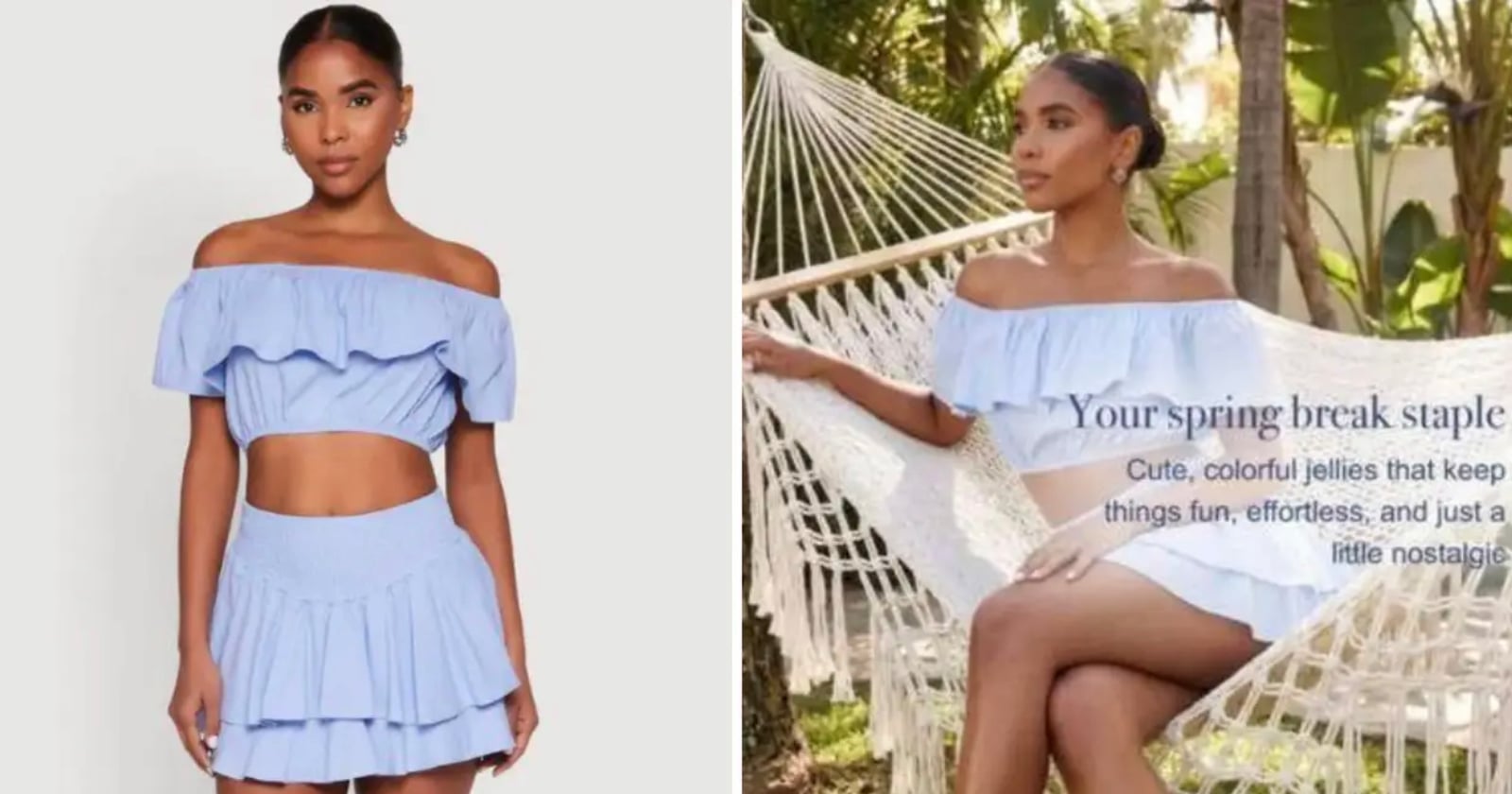
The recent accusations against Rainbow Shops, alleging the use of AI to generate lookalike images of former models, represent a fascinating and unsettling convergence of fashion, technology, and intellectual property. It’s a development that resonates deeply within our community, particularly as we've previously explored the complexities of fair use in the digital realm [Fashion Blogger Wins Fair Use Case Because She Paired a Photo With Q&A Section] and the ever-evolving landscape of photographic artistry [The Trick to Make Your Landscape Photography Stand Out]. This case isn't simply about a retailer seeking cost-effective imagery; it’s about the potential devaluation of individual likeness and the blurring lines between inspiration, replication, and outright appropriation in an increasingly AI-driven world. The models’ claims, if proven true, highlight the vulnerability of creative professionals in the face of rapidly advancing technological capabilities.
The core issue here isn't necessarily the use of AI itself – generative AI is transforming numerous industries – but rather the *intent* and the *method* of its application. Creating AI-generated imagery inspired by a particular aesthetic or style is one thing; replicating the specific features and appearance of an identifiable individual to effectively replace them in marketing materials is quite another. This touches upon sensitive questions of identity, consent, and the right to control one's own image. It also raises concerns about the potential displacement of human models, particularly those who rely on their unique features and personal brand for their livelihood. Furthermore, the timing— coinciding with a perceived cessation of work with the company—adds a layer of suspicion and suggests a deliberate effort to minimize labor costs. The legal precedent in cases like the fashion blogger’s fair use victory demonstrates the nuances of copyright law, but this situation feels distinct because it involves the deliberate creation of a visual double, not simply the transformative use of existing imagery.
The broader significance of this controversy extends beyond the fashion industry. It serves as a cautionary tale for any creative sector reliant on human talent – photography, illustration, acting, and beyond. As AI tools become more sophisticated and accessible, the potential for misuse increases, demanding a proactive discussion about ethical guidelines, legal protections, and industry standards. We've seen Tamron push technological boundaries with new lenses [Tamron Breaks Barriers With Its 4.1x Zoom Lens for RF and Z Users], demonstrating how innovation can reshape the creative process; however, this case demonstrates a parallel need for ethical considerations to accompany that innovation. The models’ pursuit of legal action is a crucial step in establishing boundaries and safeguarding the rights of creatives in the age of AI. It underscores the necessity of transparency and accountability in the deployment of these powerful technologies.
Ultimately, the Rainbow Shops case forces us to confront a fundamental question: What does it mean to be original in a world where AI can convincingly mimic almost anything? The legal battles ahead will undoubtedly shape the future of AI-generated content and the rights of individuals whose likenesses are potentially exploited. This situation demands a continued, nuanced conversation about the ethical responsibilities that accompany technological advancements, ensuring that creativity and innovation don’t come at the expense of human dignity and artistic integrity. Is a future where AI-generated models become commonplace inevitable, and if so, how can we safeguard the value and livelihood of human creatives in that landscape?
Models are reportedly accusing fashion retailer Rainbow Shops of using AI to create lookalike images of them around the same time that their work with the company dried up.
Read on the original site
Open the publisher's page for the full experience