More Young People Are Being Rescued From Mountains After Taking Risks for the Perfect Photo
Our take
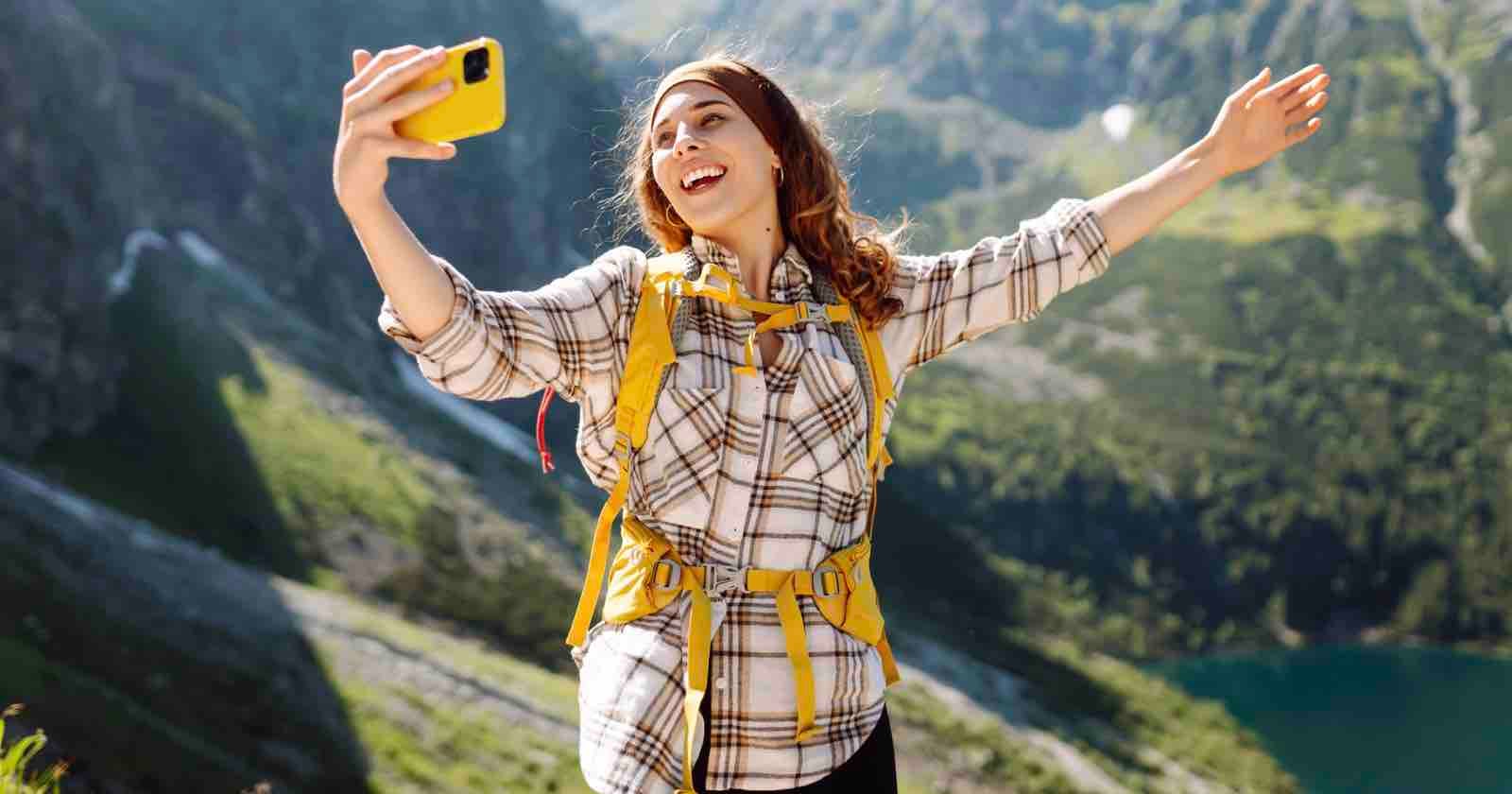
The recent surge in mountain rescues involving young people chasing the “perfect photo” for social media is a concerning trend, reflecting a deeper cultural shift that demands our attention. It’s not simply about reckless behavior; it’s a symptom of a desire for validation and a distorted perception of risk, fueled by the curated realities presented online. The pursuit of the visually arresting, the image that will garner likes and shares, is overshadowing prudence and respect for the natural world. We've seen this dynamic play out in other areas of the creative sphere, as explored in our piece Gifted brand shoot- is it worth it?, where the pressure to create compelling content, even at a personal cost, is increasingly prevalent. The allure of instant gratification and the perceived importance of online persona are driving choices that can have serious consequences. This echoes the broader conversation surrounding the evolving relationship between technology, ambition, and safety, a theme also touched upon in our discussion of Things Go From Bad to Worse for GoPro, where innovation sometimes outpaces responsible usage.
The inherent danger lies in the normalization of risk-taking for aesthetic gain. What was once a pursuit of genuine adventure, a connection with nature, is now filtered through the lens of social media algorithms and the quest for viral moments. This isn't to diminish the beauty and inspiration that can be found in outdoor photography; rather, it’s a call to reconsider the motivations behind it. The romantic ideal of the intrepid explorer has been subtly replaced by the influencer archetype—driven by metrics and the fleeting validation of online approval. Moreover, the expectation of flawlessly edited and carefully staged images creates an artificial standard, pushing individuals to take increasingly dangerous shortcuts to achieve the desired result. The article's focus on young people is particularly poignant, highlighting the vulnerability of a generation growing up immersed in a digital landscape where perceived reality often eclipses genuine experience. Consider, too, the underlying photographic principles often sacrificed in the pursuit of this false ideal, a contrast to the thoughtful technical considerations outlined in A Portrait Photographer’s Guide to the Three Main Lights, where understanding light and composition contributes to a powerful image without inherent risk.
Beyond the immediate safety concerns, this phenomenon reveals a fundamental shift in our relationship with nature. Mountains, once revered for their power and majesty, are increasingly viewed as mere backdrops for self-promotion. The focus has shifted from experiencing the environment to documenting it for an external audience, creating a disconnect that undermines the inherent value of the natural world. This commodification of adventure raises ethical questions about our responsibility to protect these spaces and to foster a culture of respect for both the environment and personal well-being. The rescue efforts themselves represent a significant cost—both financially and in terms of the dedication of highly trained professionals—resources that could be allocated elsewhere. It’s a clear indication that the current trajectory is unsustainable, and a shift in perspective is urgently needed.
Ultimately, the rise in mountain rescues serves as a stark reminder that authenticity and responsibility should always outweigh the pursuit of a fleeting online moment. The quest for the perfect photo shouldn't come at the expense of personal safety or the integrity of the natural world. As we navigate an increasingly image-driven culture, it’s crucial to cultivate a more mindful and balanced approach to both creation and consumption. What systems and collaborative approaches can be built to foster a sense of responsibility within the burgeoning outdoor content creation community, and how can we encourage a deeper appreciation for the inherent beauty and value of experiencing the world, rather than simply documenting it?
Young people are increasingly being rescued from mountains after attempting risky climbs and hikes to capture dramatic photos for social media.
Read on the original site
Open the publisher's page for the full experience