Moscow Citizens Banned From Sharing Photos of Drone Strikes as Attacks Increase Inside Russia
Our take
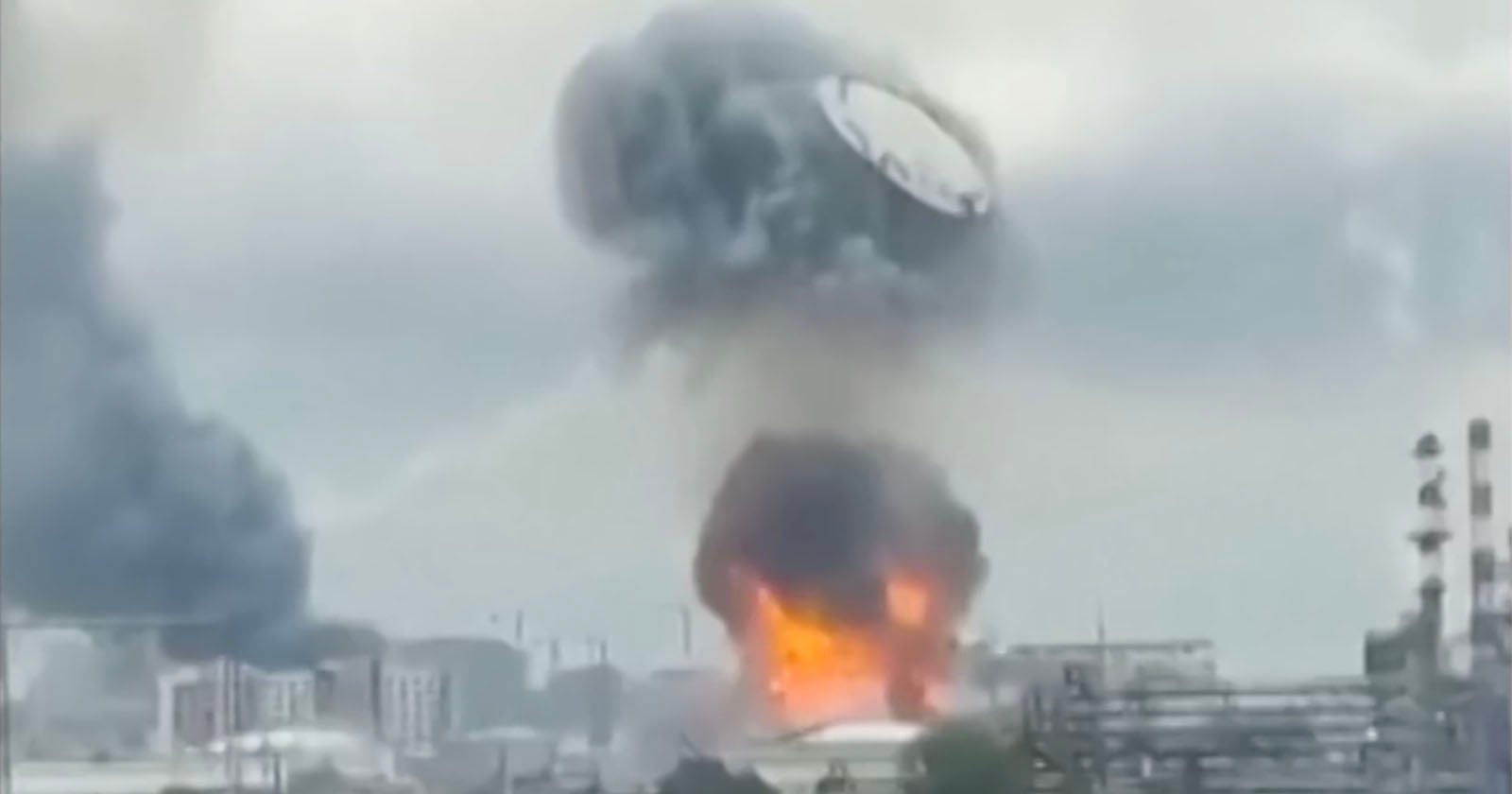
The recent ban imposed by Moscow authorities prohibiting the sharing of images and videos depicting what they term “terrorist attacks,” coupled with the escalating frequency of drone strikes within Russia, presents a complex and unsettling confluence of state control, information warfare, and the evolving role of citizen journalism. This isn’t merely a localized incident; it’s a stark demonstration of how governments are increasingly attempting to manage the narrative surrounding conflict and instability, particularly in the digital age. The restrictions echo similar patterns observed in other regions experiencing geopolitical tensions, highlighting a global trend toward limiting visual documentation of events deemed detrimental to national security or public order. Consider, for example, the ongoing concerns surrounding the use of personal data and imagery, as explored in [Man Traumatized After Woman Uses His Photos for AI Social Media Posts Showing Fake Family Life], where the unauthorized exploitation of images raises profound questions about consent and digital rights. This Moscow ban expands upon those concerns, pushing them into a context of active conflict. We’ve also seen how photographic endeavors can capture moments of immense cultural significance, as demonstrated by [Photographer Recreates Iconic Sun Dunking Shot With Rising Basketball Star AJ Dybantsa], showcasing the power of visual storytelling, which is now being actively curtailed in specific circumstances. The immediate implications are clear: limiting the flow of visual information hinders independent verification of events and restricts the ability of citizens to document and share their experiences. While authorities often justify such measures as necessary to prevent panic or the spread of misinformation, the reality is that such bans create an information vacuum, allowing state-controlled media to dominate the narrative and potentially conceal the true extent of the damage or human cost. The incident at the oil refinery, captured and disseminated despite the ban, underscores the inherent challenges in enforcing such restrictions in a hyper-connected world. The proliferation of smartphones and social media platforms makes it exceedingly difficult, if not impossible, to completely control the flow of information, particularly when citizens are motivated to document events they perceive as impacting their lives and safety. The economic ramifications of these attacks, coupled with the political implications of a seemingly vulnerable homeland, add layers of complexity to the situation. The ongoing evolution of image editing platforms, like those discussed in [Why VSCO Believes Its New $500 Subscription Is Worth it for Pros], also presents a challenge – it becomes increasingly difficult to discern authentic imagery from manipulated content, further complicating the verification process. Beyond the immediate context of the Russia-Ukraine conflict, this development signals a broader shift in the relationship between governments, citizens, and visual media. The increasing reliance on drone technology, both for military purposes and civilian surveillance, combined with advancements in image recognition and manipulation, creates a landscape where truth and deception become increasingly blurred. The ability to easily disseminate manipulated images or videos can be weaponized to influence public opinion, exacerbate tensions, or even justify military action. The ban in Moscow, therefore, represents not just a restriction on freedom of expression but also a preemptive attempt to control the visual narrative and shape public perception of the ongoing conflict. This echoes a long history of governments attempting to manage information during times of war, but the speed and reach of digital media amplify the challenges and consequences in unprecedented ways. The ability of individuals to document and share events has always been a powerful force for accountability and transparency, and any attempt to suppress that ability carries significant risks for democratic values. Looking ahead, it’s crucial to consider how these trends will continue to shape the flow of information and the nature of public discourse. Will we see a further erosion of trust in visual media as governments and other actors increasingly seek to control the images we see? How will citizens adapt to these restrictions and find alternative ways to document and share their experiences? The increasing sophistication of AI-generated imagery and deepfakes poses another significant challenge, making it even more difficult to distinguish between reality and fabrication.
Last month, authorities in Moscow banned the city's population from sharing photos and videos of what it calls "terrorist attacks." But that's being tested after Ukrainian drones blew up part of the city's oil refinery last week.
Read on the original site
Open the publisher's page for the full experience