Nat Geo’s ‘Pompeii: Out of Time’ Combines Cinematic Filmmaking, History, and Tom Hiddleston
Our take
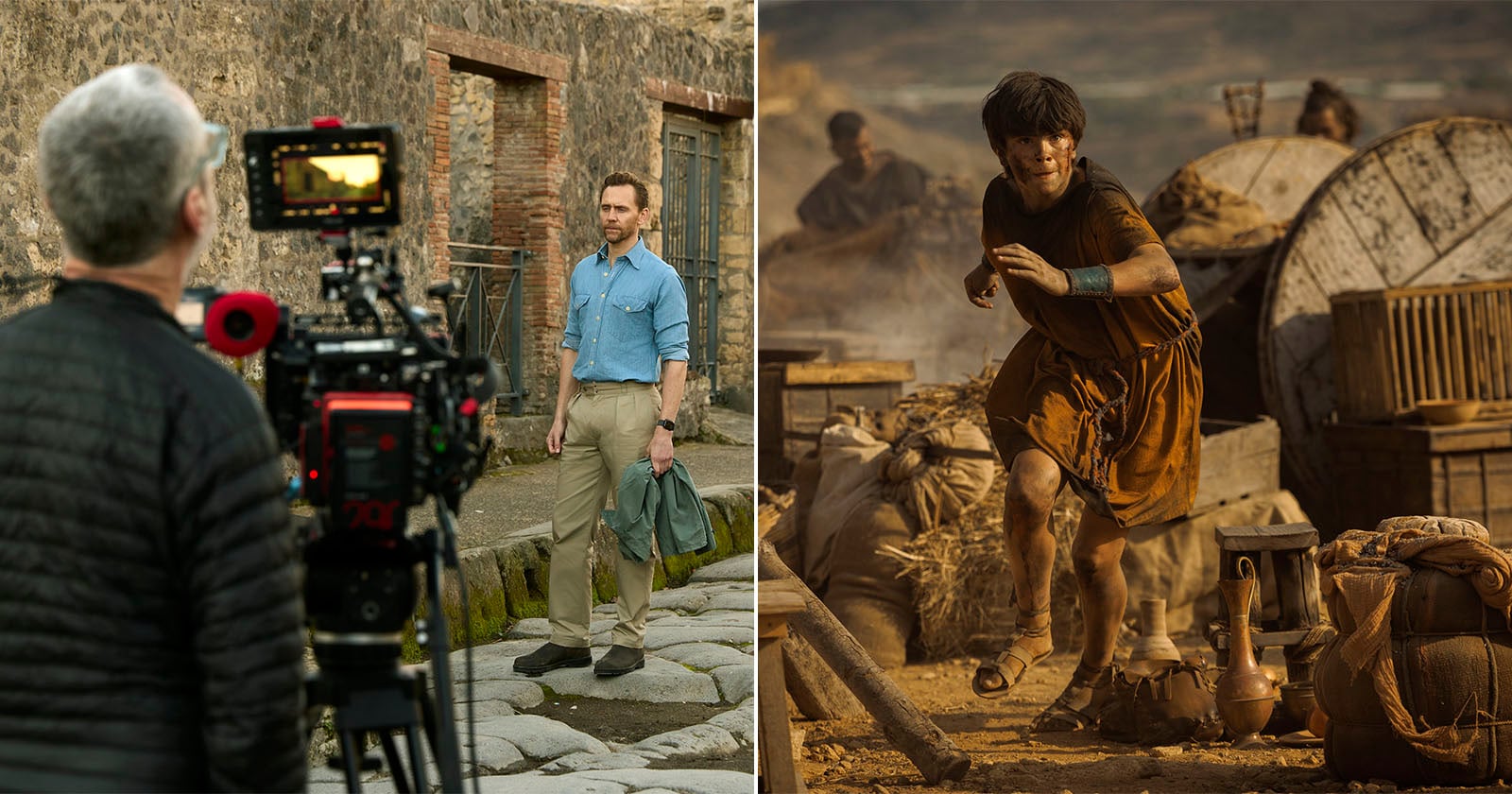
National Geographic's *Pompeii: Out of Time* arrives at a particularly compelling moment, as the intersection of historical storytelling, cinematic artistry, and celebrity appeal continues to reshape how we engage with the past. The docudrama format, blending documentary elements with dramatic reconstruction, has gained significant traction in recent years, offering a more immersive and emotionally resonant experience than traditional historical documentaries. We’ve seen this trend exemplified in projects like Netflix’s *The Last Kingdom* The Last Kingdom – a fictionalized account of the Viking invasions of England – and the BBC’s *Rome*, demonstrating a clear appetite for narratives that bring history to life with vivid detail and compelling characters. The inclusion of Tom Hiddleston, a performer known for his charisma and intellectual depth, further elevates the project’s potential reach, attracting audiences who might not typically gravitate towards historical content. This isn’t merely about recreating a tragic event; it’s about crafting an experience, a window into a lost world through a lens both artistic and accessible.
The series' success hinges on its ability to balance historical accuracy with dramatic license. While the allure of cinematic spectacle is undeniable, audiences are increasingly discerning and demand a level of authenticity. The challenge lies in presenting a compelling narrative without sacrificing the integrity of the historical record. Previous attempts at recreating historical events have faced criticism for inaccuracies or sensationalism, underscoring the importance of rigorous research and consultation with historians. *Pompeii: Out of Time* appears to be addressing this concern by explicitly combining cinematic techniques with a deep dive into archaeological evidence. The visual juxtaposition, as highlighted in the accompanying image – a film crew operating alongside recreations of ancient Pompeii – speaks to a deliberate effort to bridge the gap between the present and the past, reminding viewers of the ongoing process of discovery and interpretation. A companion piece exploring the ethics of historical recreation, such as The Ethics of Recreating History, provides valuable context for understanding the complexities of this genre.
Beyond the immediate appeal of the story itself – the sudden and catastrophic destruction of a thriving Roman city – *Pompeii: Out of Time* taps into universal themes of human resilience, vulnerability, and the enduring power of memory. The plaster casts of the victims, famously preserved by the volcanic ash, offer a poignant and visceral connection to the individuals who perished, prompting profound reflections on mortality and the fragility of civilization. By focusing on the final hours of Pompeii, the series invites us to contemplate not only the tragedy of that day but also the broader sweep of history, the rise and fall of empires, and the cyclical nature of human experience. The meticulous excavation and analysis of Pompeii over the centuries have yielded invaluable insights into Roman life, culture, and technology, and this docudrama provides an opportunity to share these discoveries with a wider audience in a captivating and engaging format.
Ultimately, *Pompeii: Out of Time* represents a significant evolution in historical storytelling, demonstrating the potential of combining cutting-edge filmmaking techniques with rigorous scholarship. The series’ success could pave the way for a new generation of docudramas that prioritize both entertainment and education, blurring the lines between historical documentary and narrative fiction. As technology continues to advance – with increasingly realistic visual effects and immersive storytelling formats – how will future productions balance the demands of cinematic spectacle with the responsibility of accurately representing the past, and will audiences continue to embrace this blended approach, or will a renewed focus on traditional, purely documentary formats emerge?
National Geographic's new three-part docudrama series, Pompeii: Out of Time, combines Tom Hiddleston's charming presentation skills, cinematic filmmaking, and a passion for history to tell the story of Pompeii's final hours before it was decimated by the volcanic eruption of Mount Vesuvius in 79 A.D.
Read on the original site
Open the publisher's page for the full experience