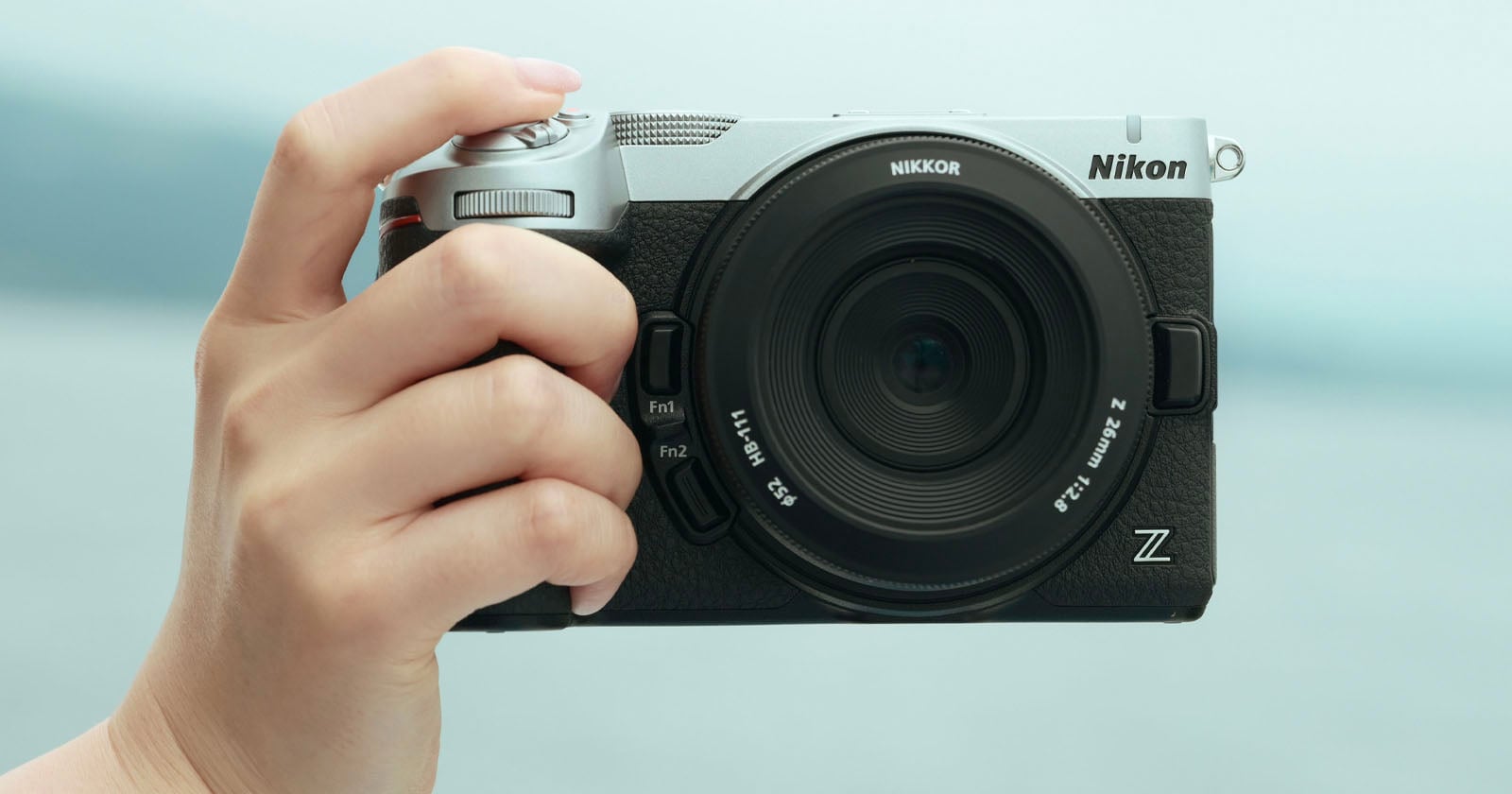
The announcement of the Nikon Z5 IIC signals a fascinating, and perhaps understated, shift in the full-frame mirrorless landscape. Nikon's decision to streamline the Z5 II, stripping away features like the electronic viewfinder, higher-resolution LCD, dual card slots, and AF joystick to achieve a $450 price reduction isn’t a sign of weakness, but rather a shrewd adaptation to evolving creator needs. It’s a response to a market increasingly discerning about value and prioritizing core functionality over superfluous bells and whistles. We’ve seen similar trends in other sectors, and the Z5 IIC feels like Nikon’s confident entry into that space. Consider the ongoing conversation surrounding the Canon EOS R8 Mark II [A Great Camera In a Polarizing Package], which demonstrates that design and features don't always equate to universal appeal, and even established brands are experimenting with different approaches. The Z5 II itself, upon its release in 2025 [Refined and Accessible: The Nikon Z5 IIC—A Full-Frame Camera, Reimagined], quickly established itself as a reliable workhorse, so this iteration builds upon that strong foundation.
The move is particularly interesting when viewed alongside the continued relevance of older models like the Canon R6 [Is the Canon R6 Still Worth Buying in 2026?]. While the R6 retains its appeal, the Z5 IIC presents a compelling alternative for creators who might have previously been priced out of the full-frame market or who simply don't require the advanced features of the Z5 II. It’s a testament to Nikon's understanding that not every photographer or videographer needs – or wants – every possible feature. The reduced cost allows a broader spectrum of users to access Nikon's renowned image quality and robust build, fostering a larger ecosystem of Z-mount lens users and strengthening Nikon's position against competitors. This isn't about dumbing down the camera; it's about intelligently optimizing it for a specific user profile—the creators who value core performance and a streamlined workflow above all else. The elimination of the joystick, while a point of contention for some, underscores this prioritization of essential functions.
The implications of this strategic simplification extend beyond the Z5 IIC itself. It suggests a willingness within Nikon to explore more modular approaches to camera design, potentially leading to future iterations that cater to even more niche creative needs. We might see more "essentials" models emerge, offering a curated selection of features at a more accessible price point. This also highlights a broader trend in the industry – a move away from the relentless pursuit of ever-increasing specifications and towards a more considered approach that prioritizes usability and value. The market isn’t necessarily demanding the absolute *best* of everything; it’s demanding the *right* combination of features at a price that makes sense. The Z5 IIC’s success will likely hinge on its ability to resonate with this increasingly sophisticated consumer base.
Ultimately, the Nikon Z5 IIC’s release isn’t just about a new camera; it’s a statement about the evolving priorities of the creative community. It challenges the assumption that more features always equal better value and demonstrates a commitment to accessibility and streamlined workflows. The question now is whether other manufacturers will follow suit, embracing a more modular approach to camera design and offering more tailored solutions for specific creator needs. Will we see a rise in "stripped-down" versions of flagship cameras, catering to a wider range of budgets and skill levels, or will the industry continue its relentless pursuit of ever-increasing specifications? The Z5 IIC’s performance in the market will undoubtedly offer valuable insights into the answer.