NYT Reporter Shocked to Discover VHS Dating Service Tapes Were Faked
Our take
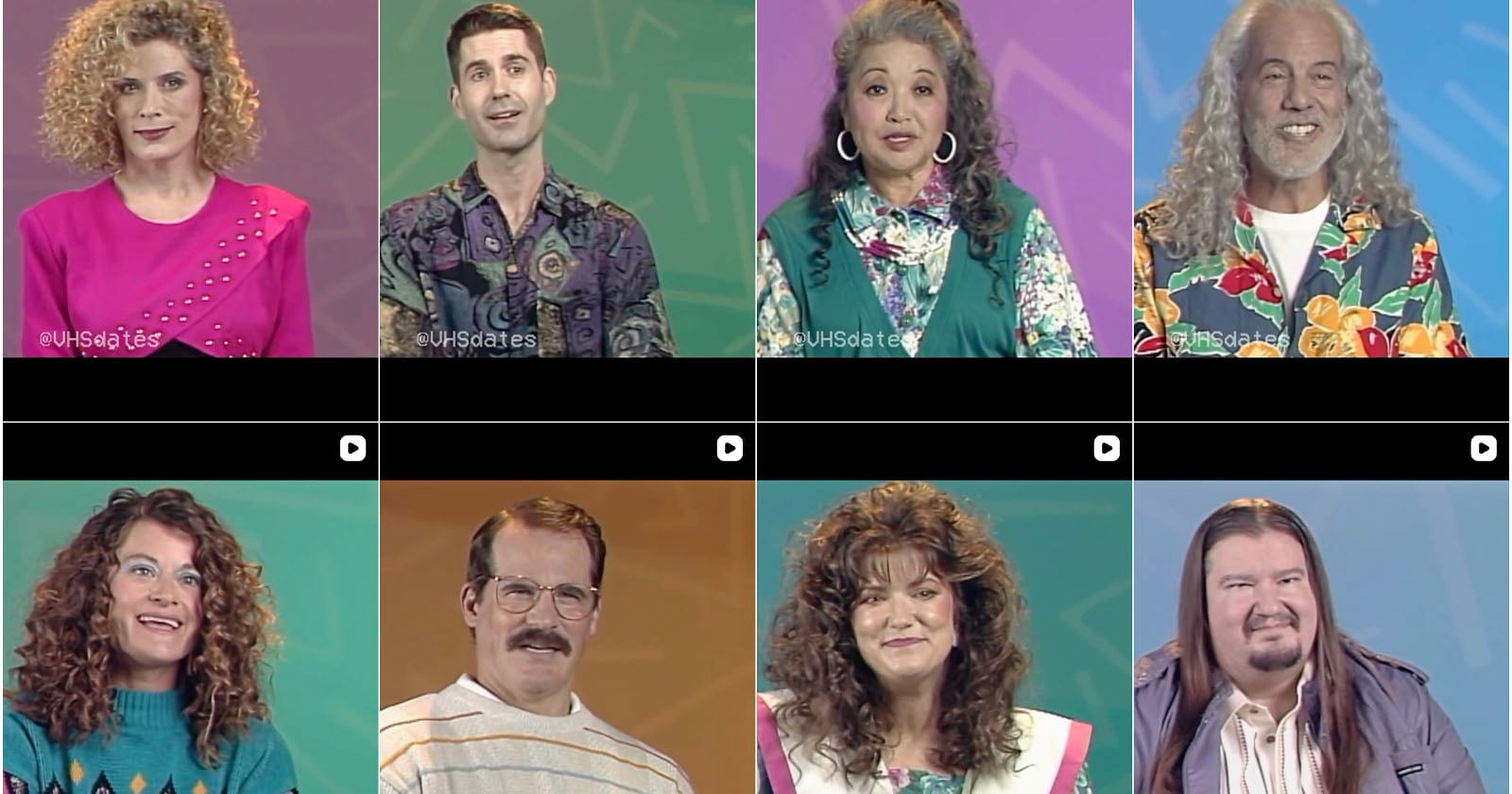
The internet’s relentless pursuit of nostalgia has birthed some peculiar corners, and the recent unraveling of the VHS Dates Instagram account stands as a particularly striking example. A New York Times reporter’s journey to Los Angeles, initially fueled by the allure of digitized VHS tapes purportedly sourced from a forgotten dating service, culminated in the unsettling discovery that the entire operation was a meticulously crafted fabrication, populated by actors. This isn’t merely a story about a clever hoax; it’s a reflection of our collective yearning for authenticity in a digital landscape increasingly saturated with artifice. The phenomenon mirrors the anxieties surrounding AI-generated content, as explored in the recent controversy surrounding the scraping of the Cara app [Tech Bro Scrapes Anti-AI Photo App Cara, Then Gloats About It] and the ongoing struggle to manage content generated via novel technologies like Meta’s smart glasses [Meta Can’t Stop the Avalanche of Content Filmed on Pervert Glasses]. The ease with which fabricated narratives can gain traction speaks to a vulnerability within our online consumption habits.
The appeal of VHS Dates lay in its promise of unfiltered intimacy – a glimpse into the courtship rituals of decades past, seemingly untouched by the curated perfection of modern dating apps. The grainy aesthetic and perceived authenticity of the tapes created a powerful illusion, tapping into a deep-seated desire for a simpler, perhaps more genuine, connection. The fact that this illusion was so easily maintained, even fooling a seasoned New York Times reporter, highlights the power of visual storytelling and the willingness of audiences to suspend disbelief in the pursuit of an engaging narrative. France’s recent legal challenges regarding social media access for children [France’s Top Court Strikes Down Social Media Ban for Kids] further underscores the complex relationship between authenticity and regulation in the digital sphere. The incident raises questions about the responsibility of content creators and the need for greater media literacy in an age where distinguishing between reality and fabrication becomes increasingly difficult.
Beyond the immediate shock value of the revelation, the VHS Dates saga offers a broader commentary on the commodification of nostalgia. The creators capitalized on a cultural fascination with the past, packaging it into a readily consumable format for social media. This isn't necessarily malicious; the line between creative fabrication and deliberate deception can be blurry. However, it does raise ethical concerns about the manipulation of audiences and the potential for exploiting emotional vulnerabilities. The story serves as a cautionary tale for those seeking solace or connection in the curated worlds of online platforms. It reminds us to approach these spaces with a healthy dose of skepticism and to actively question the narratives presented to us. The ease with which such a convincing facade could be constructed underscores a growing trend: the deliberate blurring of lines between reality and performance.
Ultimately, the VHS Dates episode compels us to examine our own susceptibility to manufactured narratives and to critically evaluate the sources of our online entertainment. As technology continues to evolve and the ability to create hyper-realistic simulations becomes increasingly sophisticated, discerning truth from fiction will require a heightened level of awareness and media literacy. The question now is: what new forms of digital deception will emerge to capitalize on our desire for authenticity, and how can we equip ourselves to navigate this increasingly complex landscape?
A New York Times reporter flew out to Los Angeles to meet the people running the VHS Dates Instagram account, which supposedly digitizes VHS tapes from an "old dating service," only to find the whole thing was staged with actors.
Read on the original site
Open the publisher's page for the full experience