Official Guide Outlines How to Avoid Sexual Camera Angles of Women Athletes
Our take
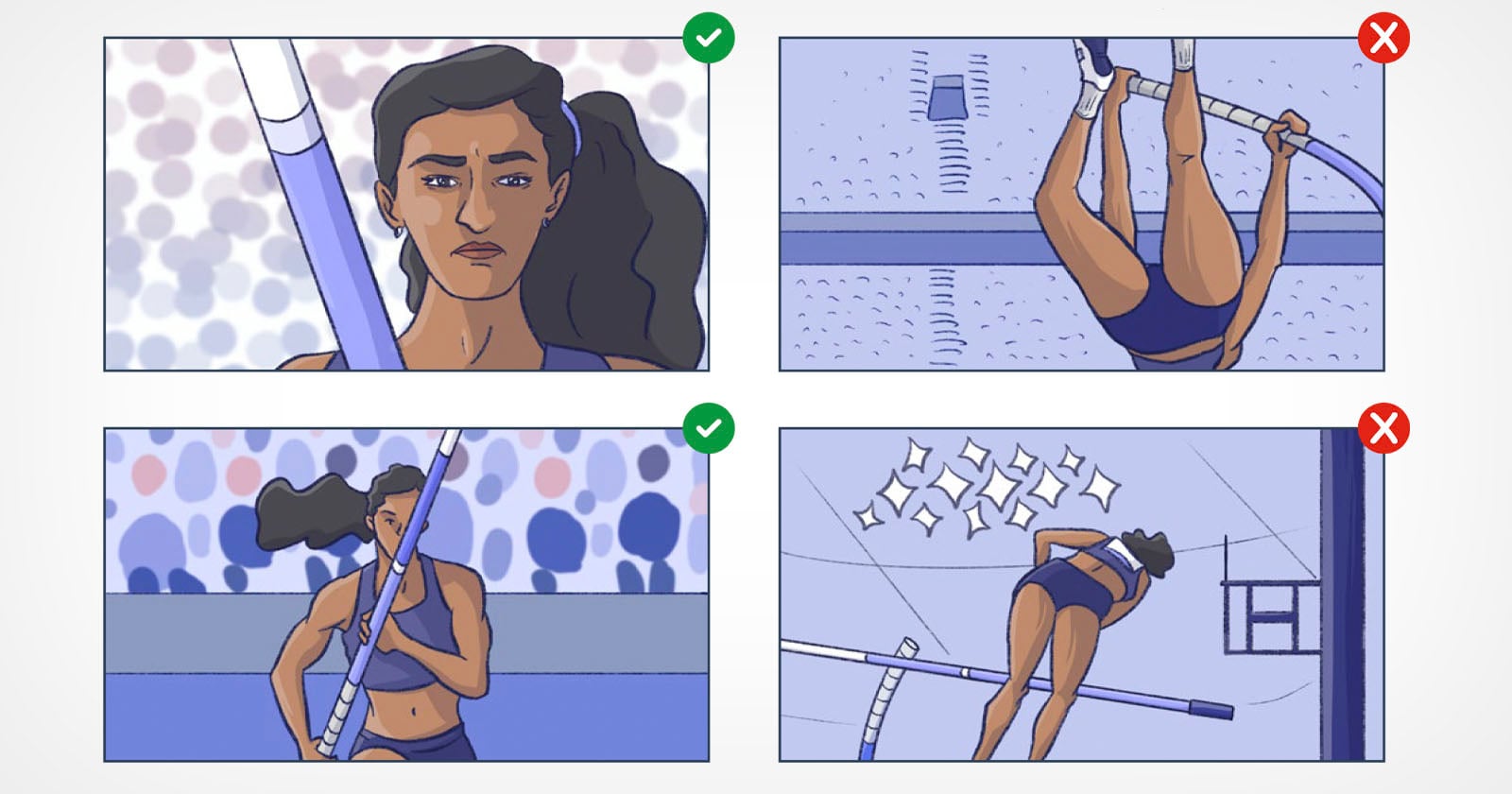
The European Broadcasting Union’s (EBU) release of official guidelines concerning the portrayal of women athletes is a significant, albeit long overdue, step toward responsible media representation. For too long, the visual language surrounding female athleticism has been unnecessarily, and often inappropriately, sexualized. This isn’t merely a matter of aesthetics; it’s a reflection of deeply ingrained societal biases that objectify women and diminish their accomplishments. The EBU’s move acknowledges this reality and attempts to provide concrete tools for broadcasters to shift their focus to the power, skill, and dedication of these athletes, rather than reducing them to objects of visual consumption. This aligns with a broader cultural conversation about representation, which we've previously explored in articles like The Power of Authentic Representation in Sports Marketing and Beyond the Male Gaze: Redefining Beauty in Athletics, both of which highlight the growing demand for more equitable and respectful portrayals. The guidelines, illustrated with examples of appropriate and inappropriate camera angles, offer a practical framework for change, moving beyond abstract pronouncements to actionable steps.
The core issue isn't about restricting artistic license; it's about recognizing the impact of framing and perspective on how audiences perceive female athletes. Camera angles that linger on body parts, emphasize vulnerable moments, or utilize overtly sensual lighting contribute to a culture that sexualizes rather than celebrates athletic prowess. The EBU's guidelines specifically address these pitfalls, advocating for shots that prioritize action, strength, and the overall performance. They encourage broadcasters to consider the athlete’s perspective and to portray them with the same respect and focus afforded to their male counterparts. This is particularly vital in a media landscape increasingly saturated with imagery, where subtle biases can have a profound impact on public perception and the self-esteem of young athletes. It’s a complex issue, interwoven with historical precedents and the enduring challenge of dismantling ingrained societal norms—a challenge that requires active engagement and a commitment to ongoing self-reflection within the broadcasting industry. We’ve seen similar, though less formalized, efforts in other areas of media, as documented in Shifting the Narrative: Gender Equality in Film and Television, demonstrating a wider trend towards more inclusive and responsible content creation.
The significance of this development extends beyond the realm of sports broadcasting. It represents a broader cultural shift toward greater awareness of gender bias and the need for more equitable representation in all forms of media. While the EBU guidelines are specific to broadcasting, their principles are applicable to photography, videography, and other visual mediums that depict women in athletic contexts. The very fact that such guidelines are deemed necessary underscores the persistence of the problem, yet their existence also provides a valuable resource for creators and media professionals who are committed to promoting positive and respectful portrayals of women. The guidelines’ success will depend not only on their adoption by broadcasters but also on the willingness of audiences to demand better representation and to challenge depictions that perpetuate harmful stereotypes. This requires a collective effort – from governing bodies and media organizations to individual viewers – to cultivate a culture that values and celebrates the athleticism and achievements of women athletes without resorting to objectification.
Looking ahead, it will be crucial to monitor the implementation and impact of these guidelines. Will they lead to a noticeable shift in the way women athletes are portrayed on screen? Will other organizations adopt similar standards? Perhaps more importantly, how will we measure the long-term effects on the perception of female athletes and the broader cultural conversation surrounding gender and representation in sports? The EBU's move is a promising start, but it’s only the first step in a much larger journey towards a more equitable and respectful media landscape. The question now is: what further accountability measures will be put in place to ensure the guidelines are consistently applied, and how can we foster a more critical and discerning audience that actively champions positive change?
The European Broadcasting Union (EBU) has published official guidelines that address how to showcase women athletes without overly sexualizing the camera angles.
Read on the original site
Open the publisher's page for the full experience