Over Two Years After Launch, the Fujifilm X100VI Atop a Sales Chart Feels Inevitable
Our take
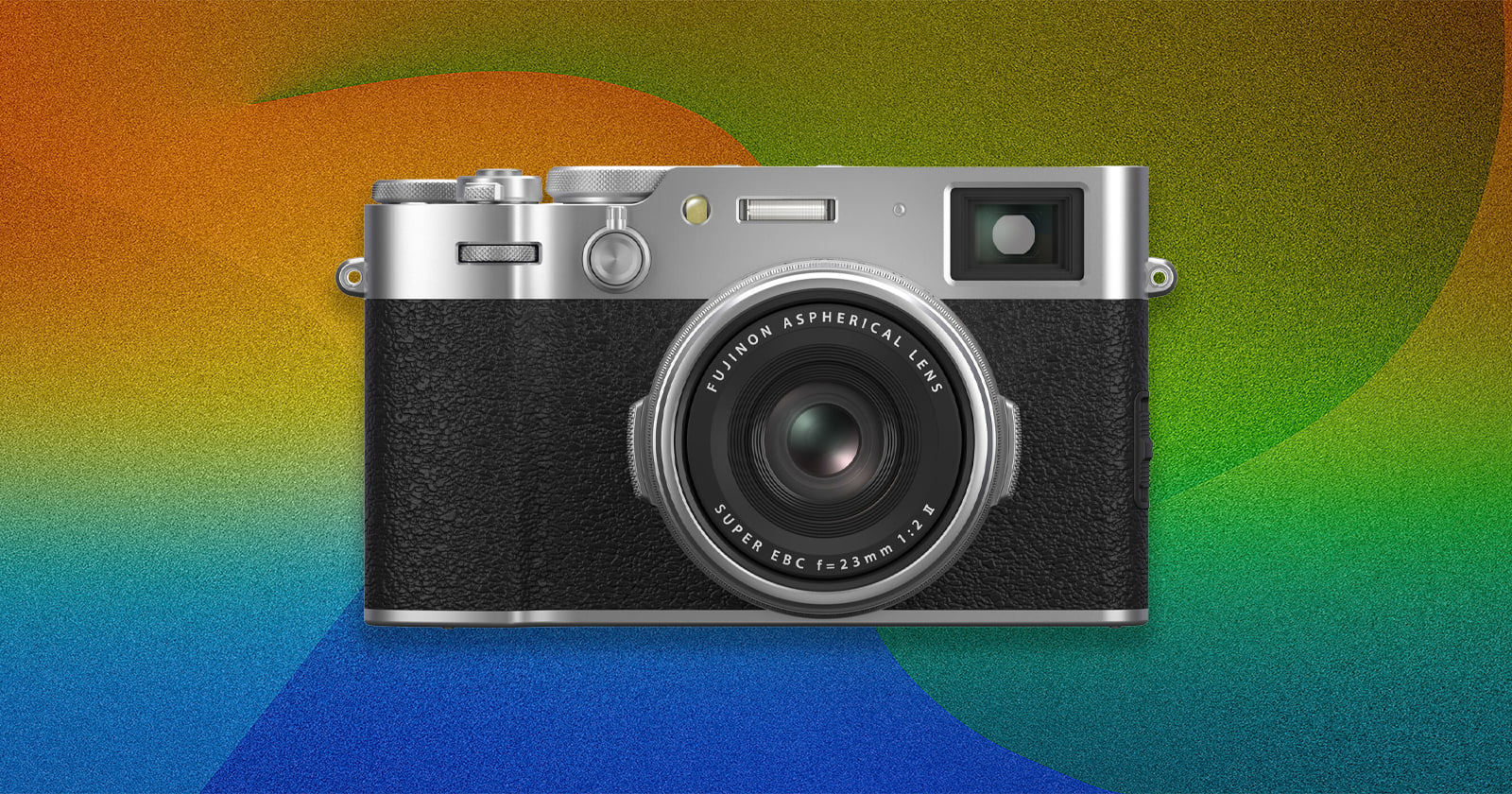
The recent sales chart data from Map Camera, showcasing the Fujifilm X100VI’s ascent to the top spot after five months of Sony’s a7 V dominance, feels less like a surprise and more like an inevitable culmination of design philosophy and community loyalty. It’s a powerful illustration of how a camera can transcend mere functionality and become a cultural touchstone. The X100VI’s success is particularly striking when considered alongside the broader trends in the camera market, where increasingly complex mirrorless systems are vying for attention. We've seen similar appreciation for analog aesthetics recently, as evidenced in [Inside the Only Polaroid Factory in the World That Serves as an Antidote to the Digital Age], demonstrating a growing desire for tangible, deliberate creation processes. It suggests a rejection of the relentless pursuit of megapixels and computational photography in favor of a more refined, tactile experience – something Fujifilm has consistently championed. The brand’s commitment to retro-inspired design, coupled with exceptional image quality, clearly resonates with a segment of photographers seeking a more authentic connection to their craft.
The shift in leadership on the sales charts underscores Fujifilm’s unique position within the industry, one built not just on technological prowess but on a carefully cultivated brand identity. Comparing this with Microsoft’s recent strategy, highlighted in [Microsoft’s New Surface Devices Arrive With Much Higher Prices], reveals a different approach to market positioning. While Microsoft is pushing premium pricing for performance enhancements, Fujifilm is seemingly achieving success through a combination of consistent design language, a strong user community, and a focus on the overall photographic experience. The X100VI isn’t simply a camera; it's a statement—a commitment to a particular aesthetic and a mindful approach to image-making. And it’s not just about the camera itself; Fujifilm’s ecosystem of lenses, films, and accessories further enhances this immersive experience, creating a loyal following. The announcement of Affinity’s pre-installation on Windows Surface computers [Affinity Will Now Come Pre-Installed on Windows Surface Computers] further speaks to the importance of intuitive and integrated creative workflows, a principle reflected in Fujifilm's design ethos.
The broader significance of this development extends beyond Fujifilm’s immediate success. It signals a potential shift in consumer preferences within the photography landscape. While technological advancements continue to drive innovation, there's a growing appreciation for cameras that prioritize usability, aesthetics, and a more intimate connection between the photographer and the subject. The X100VI’s enduring popularity suggests that the pursuit of the “perfect” image shouldn’t come at the expense of the joy of the creative process. The camera’s fixed lens, while a limitation for some, has become a defining characteristic, encouraging photographers to be more deliberate in their composition and fostering a deeper understanding of light and perspective. This is a compelling counterpoint to the increasingly complex and feature-laden mirrorless systems that dominate the market, and it highlights the enduring appeal of a simpler, more focused photographic tool.
Looking ahead, it will be fascinating to observe whether this trend continues and whether other manufacturers will respond by embracing a more minimalist, design-focused approach. Will we see a renewed emphasis on tactile controls and intuitive interfaces in future camera designs? Or will the industry continue its relentless march towards ever-increasing complexity and computational power? The X100VI's reign atop the sales charts suggests that there’s a significant and underserved market for cameras that prioritize artistry and experience over sheer technical specifications—a market that Fujifilm seems uniquely positioned to cater to. Ultimately, the question remains: can this resurgence of appreciation for a more deliberate photographic process inspire a broader shift in how we approach image-making in an increasingly digital world?
Map Camera's latest sales charts reflect yet another strong month for Fujifilm, headlined by scoring four of the top five places in May. And finally, after five months at the top, the Sony a7 V relinquished its title as the best-selling new digital camera.
Read on the original site
Open the publisher's page for the full experience