Panasonic Suspends Extremely Buggy Lumix S9 Wireless Firmware Update
Our take
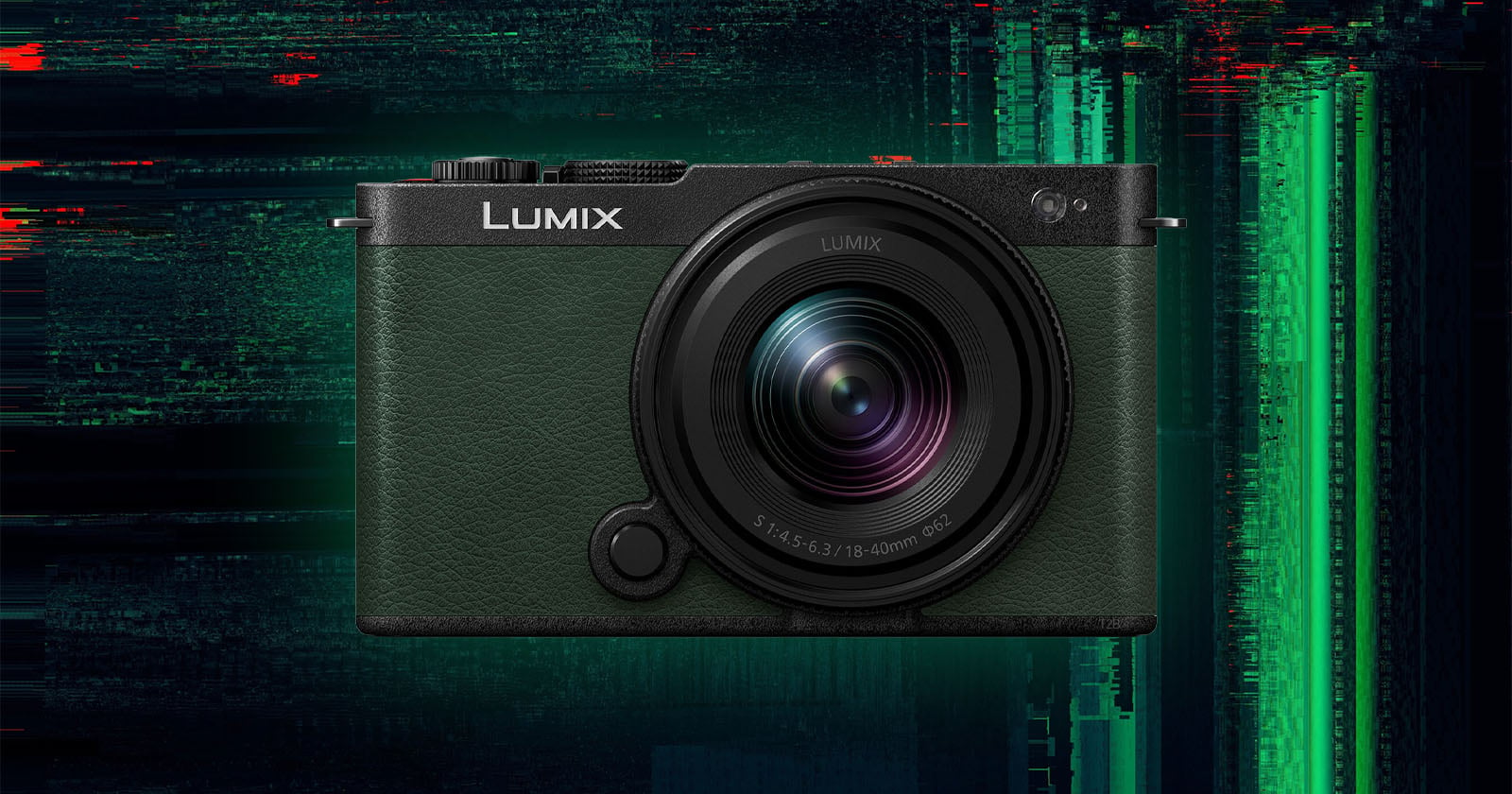
The ongoing saga of firmware updates gone awry continues, this time impacting Panasonic’s Lumix S9 mirrorless camera. The immediate suspension of the latest wireless firmware update highlights a concerning trend in the industry – a rush to deliver features often outpacing rigorous quality control. It’s a frustrating reality for photographers and videographers who rely on consistent performance and stability from their equipment, and it echoes similar issues we’ve seen with other manufacturers. The situation is particularly poignant given the recent legal battles surrounding intellectual property in the action camera space, as exemplified by [Insta360 Countersues DJI, Asserting Five Patent Violations], where innovation and legal disputes intertwine, further emphasizing the importance of reliable technology. The fact that a major brand like Panasonic is having to pull a firmware update so quickly after release suggests deeper systemic issues within the software development process, potentially driven by competitive pressures and the desire to rapidly integrate new features. This isn’t simply about a glitchy wireless connection; it’s about eroding trust in the brand and the reliability of their products.
The Lumix S9, positioned as a versatile camera for both stills and video, caters to a creative audience demanding both high image quality and seamless operation. A flawed firmware update disrupting wireless functionality directly impacts the workflow of these users, inhibiting their ability to capture moments and create content efficiently. This disruption isn’t merely an inconvenience; it can represent a significant impediment to professional workflows and artistic expression. Consider the impact on photographers relying on remote triggering or videographers utilizing wireless audio devices – a faulty update can derail an entire shoot. The reliance on firmware updates to enhance camera capabilities is increasingly integral to the modern photographic experience, and failures like this underscore the inherent risks. This mirrors the meticulous process required in film photography, as demonstrated in [Film Friday: Kodak Portra 800 Is High-Speed, Color Perfection], where consistency and predictability are paramount to achieving desired results, even with analog processes. The digital realm should strive for that same level of assurance, yet incidents like these demonstrate a gap between aspiration and reality.
The broader significance of this situation extends beyond Panasonic and the Lumix S9. It acts as a cautionary tale for the entire camera industry, and indeed, for any technology sector reliant on regular software updates. Consumers are increasingly discerning, expecting not just new features, but also a commitment to stability and quality. A brand's reputation isn't just built on innovative hardware, but on the reliability of the supporting software. The speed of innovation shouldn't come at the expense of thoroughly testing and validating new releases. The incident also highlights the increasing complexity of modern cameras, with layers of firmware controlling everything from autofocus performance to wireless connectivity. Addressing these issues requires a significant investment in software development resources and a shift towards more robust quality assurance protocols, perhaps even emulating the careful, deliberate approach seen in fields like underwater exploration, where equipment failures can have serious consequences– as illustrated by the remarkable footage captured by divers in [Divers Capture First Footage of a Great White Shark in the Mediterranean].
Ultimately, the Lumix S9 firmware debacle raises a critical question: how can camera manufacturers strike a balance between delivering innovative features and ensuring the stability and reliability of their products? The industry needs to move beyond the reactive approach of issuing apologies and pulling updates, and instead embrace a proactive strategy that prioritizes thorough testing and user feedback throughout the development process. The future of photography increasingly relies on the seamless integration of hardware and software, and maintaining that cohesion requires a renewed commitment to quality and a deeper understanding of the needs and expectations of the creative community. What measures will manufacturers take to prevent similar incidents in the future, and will consumers begin to demand greater accountability for firmware quality?
Another firmware update has arrived with issues and warnings. This time, it's the Panasonic Lumix S9 with problems.
Read on the original site
Open the publisher's page for the full experience