Peak Design’s New Field Bracket Reinvents the L-Bracket for Modern Photographers
Our take
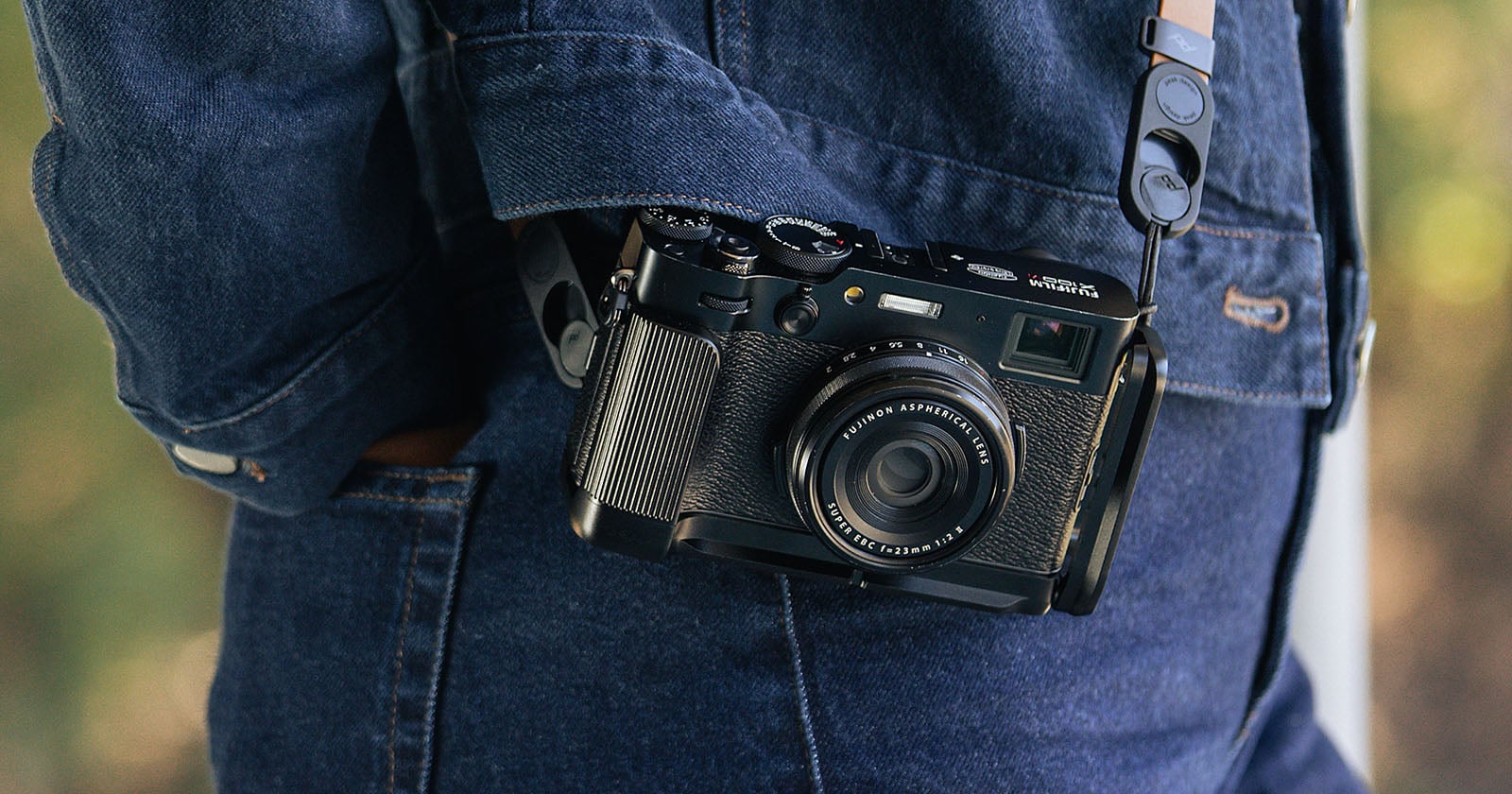
Peak Design’s introduction of the Field Bracket is more than just a new product; it’s a considered response to the evolving needs of the modern photographer. Traditional L-brackets, while essential for quick camera orientation and secure tripod mounting, have always presented a compromise – often bulky, restrictive, and aesthetically jarring. This new system, with its modular design and focus on seamless integration, addresses those long-standing frustrations. It’s fascinating to see how companies are innovating to enhance the user experience, especially when considering recent developments like Moment’s new Action Plates, which are essentially a video game controller for your camera app Moment Action Plates Are Like a Video Game Controller for Your Camera App, demonstrating a broader trend towards greater control and customization. Even the debate surrounding accessibility and exclusivity, as seen in the discussion around "The Odyssey" in IMAX 70mm Gen Z Thinks ‘The Odyssey’ in IMAX 70mm is Elitist, highlights the desire for innovative technology that balances performance with a refined aesthetic – a sentiment Peak Design seems to be directly addressing with the Field Bracket.
The brilliance of the Field Bracket lies in its versatility. The modular nature allows photographers to tailor the bracket to their specific camera and shooting style, eliminating the need for a one-size-fits-all solution. This adaptability caters to a growing demographic of photographers who demand both functionality and elegance in their gear. It’s a move away from the purely utilitarian and towards a more considered design philosophy, one that acknowledges the camera as not just a tool, but an extension of the photographer's artistic vision. The emphasis on low-profile design and integrated mounting points is particularly noteworthy – it suggests a desire to minimize visual clutter and maximize creative freedom. Think of the potential for streamlined setups in landscape photography, or the ease of switching between vertical and horizontal orientations during street photography. This isn’t just about faster shooting; it’s about a more intuitive and aesthetically pleasing workflow.
Beyond the immediate benefits for photographers, the Field Bracket signals a broader shift within the industry. We’re seeing a move away from chasing the ‘most features’ and towards a focus on thoughtful design and user experience. Companies are recognizing that photographers – especially those who appreciate the intersection of art and technology – are willing to invest in gear that not only performs well but also aligns with their personal style. This aligns with a larger cultural trend toward curated experiences and intentionality, where consumers seek out products that reflect their values and aesthetic sensibilities. The precision engineering and attention to detail evident in the Field Bracket’s design exemplify this shift, positioning Peak Design as a leader in a new era of photographic equipment. It's a tactile manifestation of the desire for gear that feels as good as it performs, a sentiment increasingly valued by discerning creatives.
Looking ahead, it’s intriguing to consider how Peak Design and other manufacturers will continue to push the boundaries of camera support systems. Will we see even greater levels of modularity and customization? Will augmented reality play a role in how we interact with our camera gear? The Field Bracket’s success will likely depend on its ability to seamlessly integrate into existing workflows and appeal to a broad range of photographers, but it undoubtedly sets a new standard for L-brackets and prompts the question: how will other manufacturers respond to this elevated benchmark of design and functionality?
Peak Design has unveiled Field Bracket, a brand-new, modular L-bracket system that promises to overcome the compromises of traditional L-brackets.
Read on the original site
Open the publisher's page for the full experience