Pentax K-1 Mark II Has Now Been Discontinued
Our take
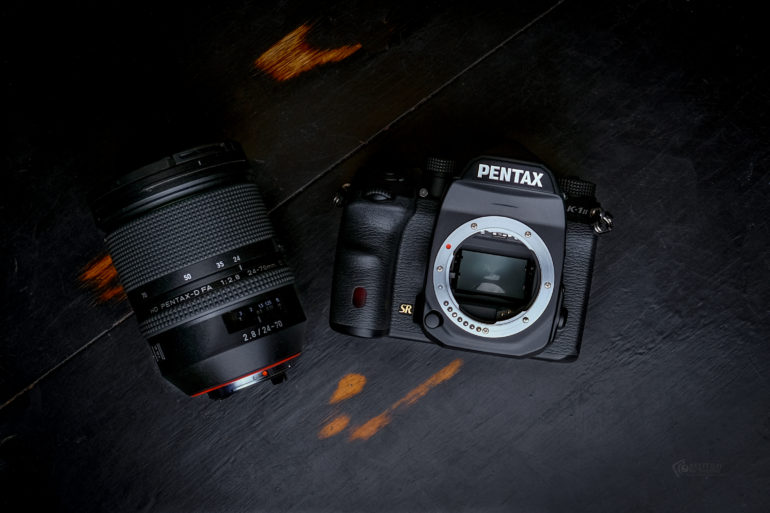
The quiet discontinuation of the Pentax K-1 Mark II marks more than just the end of a camera’s lifecycle; it signals a definitive shift in the landscape of photographic technology. Pentax’s departure from the DSLR arena, following the earlier discontinuation of their APS-C models, leaves a void in a market increasingly dominated by mirrorless systems. This isn’t a sudden event, of course. The writing has been on the wall for years as mirrorless technology has rapidly matured, offering comparable or superior image quality, faster autofocus, and a more compact form factor. The trend is clear: professional photographers are embracing the change, as evidenced by the recent news that AP photographers captured over 130,000 NFL photos using Sony cameras last season AP Photographers Captured Over 130,000 NFL Photos Using Sony Cameras. While Pentax carved a unique niche with its rugged build quality and K-mount lens system, the relentless march of innovation has proven too difficult to overcome. The story mirrors the broader industry evolution, where legacy technologies, however beloved, must eventually yield to progress. Even the appeal of vintage lenses is being modernized, as seen with TLS rehousing vintage Nikon AI and AI-S lenses for today’s filmmakers TLS Has Rehoused Vintage Nikon AI and AI-S Lenses for Today’s Filmmakers, demonstrating a desire to blend the best of both worlds.
The significance of the K-1 Mark II's discontinuation lies in its representation of a steadfast commitment to DSLR technology that ultimately couldn't sustain itself. The K-mount, a system dating back to 1979, enjoyed remarkable longevity and fostered a loyal following who valued its optical quality and mechanical reliability. Pentax’s dedication to maintaining this legacy, even as the market moved on, was admirable. However, the investment required to keep pace with mirrorless innovations—such as advanced autofocus systems, in-body image stabilization, and sophisticated video capabilities—became increasingly prohibitive. It’s a poignant reminder that even the most robust and respected technologies aren't immune to obsolescence. The K-1 Mark II itself was a remarkable camera, offering exceptional image quality, weather sealing, and a comfortable grip—qualities that resonated with serious photographers who prioritized durability and performance. Its demise isn't a reflection of its shortcomings but rather a consequence of the broader technological shift.
Looking beyond Pentax, this development underscores the accelerating consolidation within the camera industry. While smaller brands like Pentax have historically offered alternatives to the dominant players (Canon, Nikon, Sony), the intense competition and technological demands are making it increasingly difficult for them to maintain a foothold. The rise of smartphone photography has further complicated the landscape, eroding the market for entry-level cameras and placing additional pressure on manufacturers to innovate and differentiate their offerings. The recent incident involving influencers disrupting a US Open match highlights a broader shift in how people capture and share moments Umpire Tells Influencers to Stop Photo Shoot During US Open, further demonstrating the changing dynamics of visual content creation and consumption. This trend leaves many wondering what the future holds for camera manufacturers who aren't major players.
Ultimately, the passing of the Pentax K-1 Mark II represents a closing chapter in the history of DSLR photography. While the K-mount system will undoubtedly continue to exist through legacy lenses, the absence of a new DSLR body from Pentax marks a definitive transition to a mirrorless future. The question now is: will we see other established brands follow suit and fully embrace mirrorless technology, or will there be a resurgence of niche DSLRs catering to a specific segment of the market? Perhaps the enduring appeal of mechanical reliability and tactile controls will inspire a new generation of cameras that blend the best of both worlds, offering a unique alternative to the increasingly homogenized landscape of mirrorless systems.
Read on the original site
Open the publisher's page for the full experience