Photographer Michael Shainblum Reveals New Zealand’s Remarkable Beauty
Our take
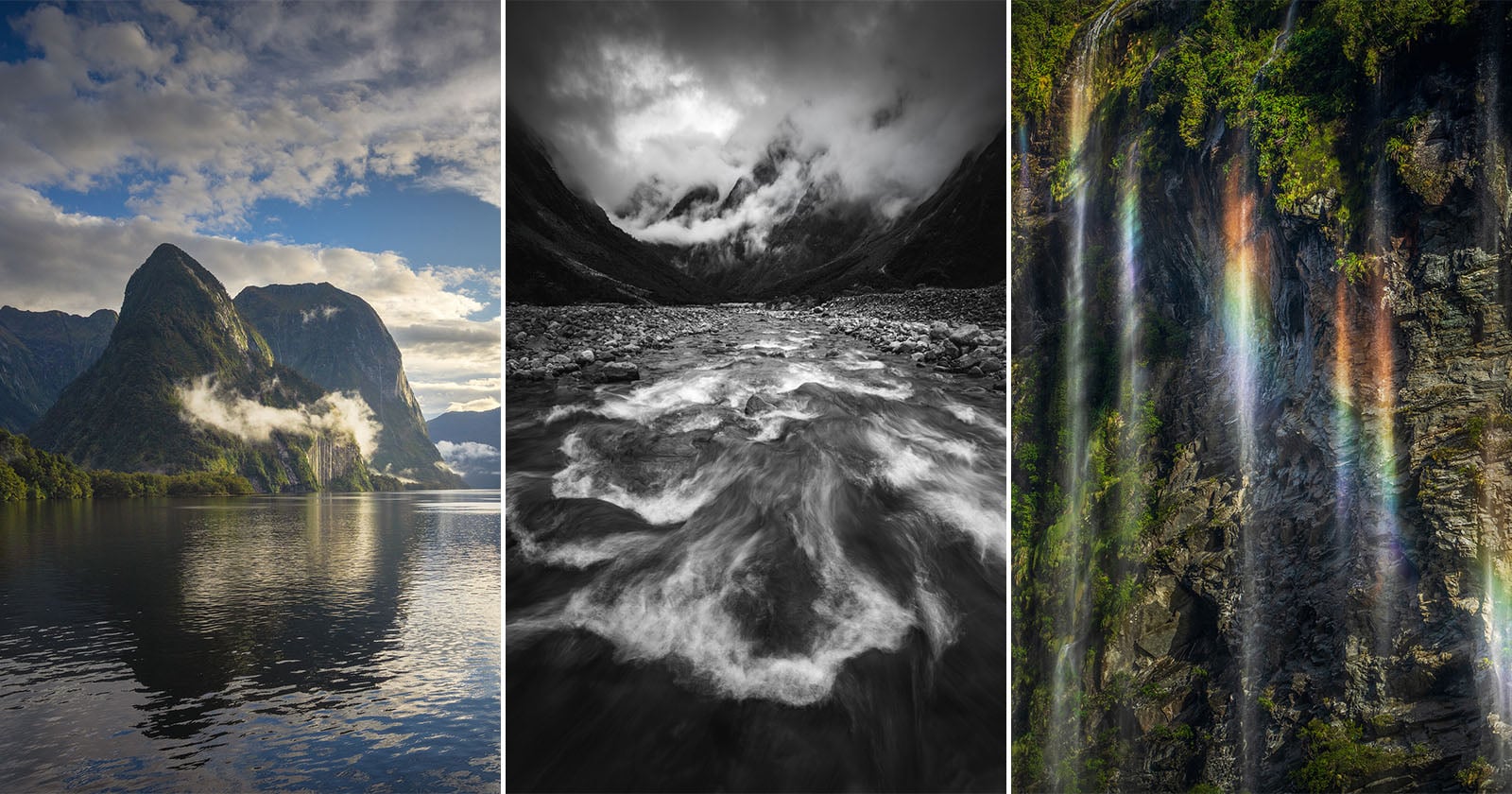
Michael Shainblum’s recent return to New Zealand, documented in his latest video project, resonates deeply with the ethos of mindful creation and responsive artistry we champion. His approach, prioritizing adaptation to the ever-shifting landscapes over rigid composition, feels particularly relevant in a visual culture often dominated by meticulously planned and curated aesthetics. It’s a powerful reminder that true beauty often lies in embracing the unexpected, a sentiment echoed in our recent review of the Viltrox EVO 75mm f/1.8 and 90mm f/2.2 lenses, where we explored the nuanced performance of lenses designed for adaptability and capturing fleeting moments. Shainblum’s work, and these lens reviews, highlight a move away from purely technical perfection and towards a more intuitive, expressive style – one that values authentic connection over manufactured idealization. The dedication to documenting environments, particularly those characterized by volatility, parallels the commitment shown in a piece like Photographer Spends 10 Years Documenting the Bloody War on Drugs, where a photographer’s unwavering presence captures a stark reality over a prolonged period, demonstrating a similar dedication to witnessing and documenting change.
Shainblum's method – responding to the landscape rather than imposing a preconceived vision – is a masterclass in artistic humility. It's a counterpoint to the increasingly prevalent trend of digitally manipulating reality to conform to idealized standards. The rugged beauty of New Zealand, amplified by its unpredictable weather, requires a photographer to surrender to the moment, to become a conduit for the environment's inherent drama. This resonates with a broader shift in contemporary art and lifestyle trends, where authenticity and raw emotion are increasingly prized. It's a rejection of the sterile perfection of studio photography in favor of the unpredictable narratives offered by the natural world. This approach isn't just about capturing a visually appealing image; it’s about revealing a deeper truth about the relationship between humanity and nature, a conversation that feels particularly urgent in our current climate. It’s about acknowledging the power of the uncontrollable and finding beauty within its dynamism.
The technical implications of Shainblum’s philosophy are equally compelling. The need to anticipate and react to rapidly changing conditions likely necessitates a refined skillset – an understanding of light, composition, and camera settings that goes beyond rote memorization. It demands a photographer who can think on their feet, adjusting their approach in real-time to maximize the impact of each fleeting moment. This adaptability speaks to a broader consideration of the photographer's role - not simply as a recorder of events, but as an active participant in the creative process, shaping the narrative through their choices and responsiveness. This extends beyond landscape photography; it's a principle applicable to any genre where a photographer aims to capture genuine emotion, narrative, or atmosphere. Consider the challenges faced by photographers navigating complex social or political situations, as highlighted in pieces like Help Us Move Away From Amazon and What He Did to Photographers, where the ability to adapt and remain objective in challenging environments is paramount.
Ultimately, Michael Shainblum’s work is a powerful reminder that the most compelling images often arise from a willingness to embrace the unknown. It suggests a move away from the pursuit of unattainable perfection and towards a more honest and evocative form of visual storytelling. As technology continues to blur the lines between reality and simulation, the value of authentic, unscripted moments will only increase. The question remains: how will photographers continue to balance the allure of digital manipulation with the desire for genuine connection and representational truth in an increasingly mediated world?
In his latest video project, photographer Michael Shainblum returns to the volatile, weather-driven landscapes of New Zealand with a body of work shaped less by fixed composition and more by responsiveness to constant change. We spoke with Shainblum to learn more about the creative and technical approach behind his immersive landscape photography.
Read on the original site
Open the publisher's page for the full experience