Photographer Rescues Man Trapped Under Rubble of His Tornado-Ravaged Home
Our take
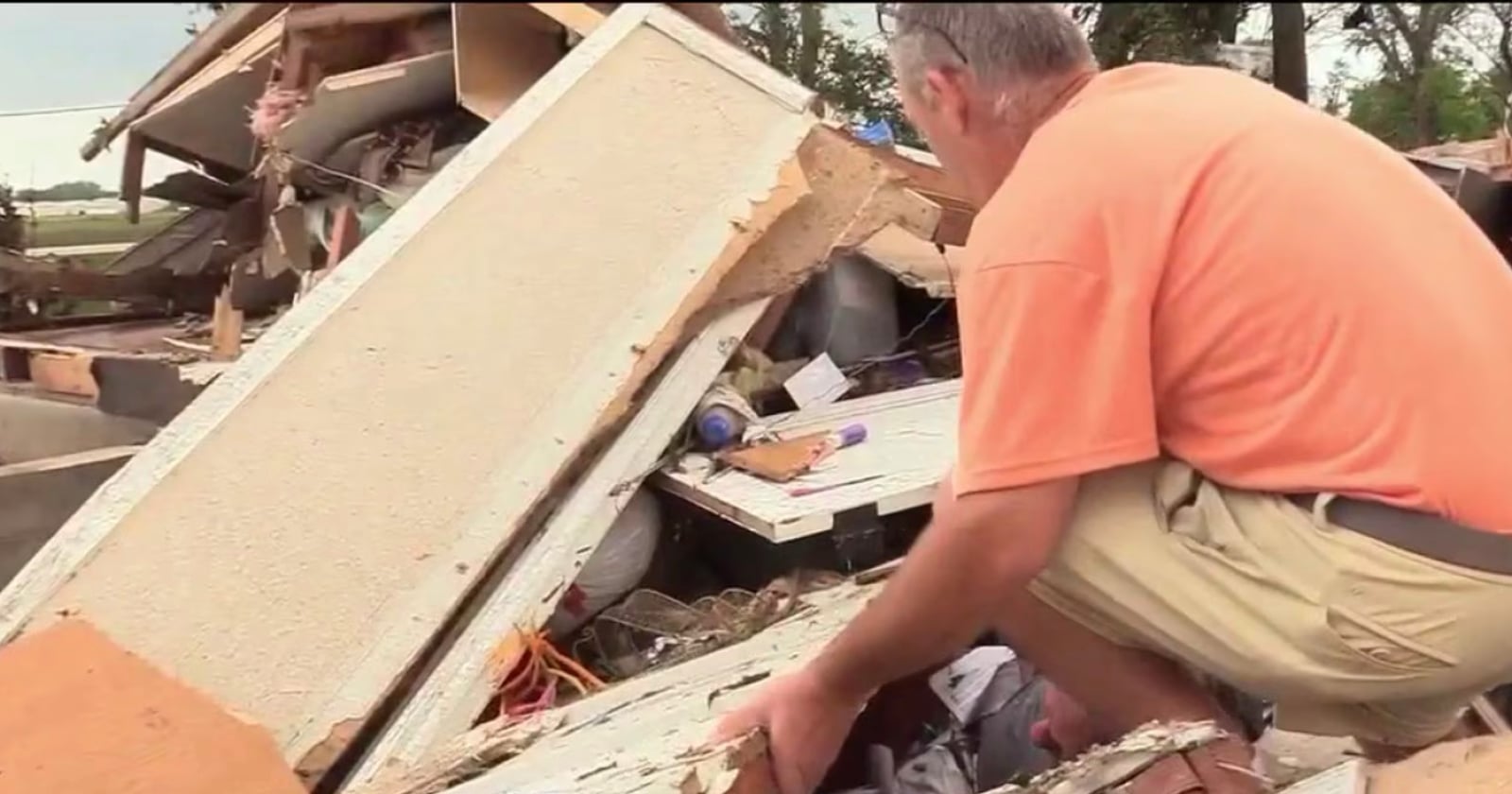
The recent news of a photographer’s heroic rescue during the aftermath of a tornado is a powerful reminder of the intersection of documentation and humanity. It’s a story that resonates far beyond the immediate tragedy, prompting reflection on the evolving role of photojournalists and the unexpected ways in which their skills can extend beyond simply recording events. We’ve long championed the importance of technical mastery in photography, as evidenced in articles like [Is the Canon G1x Mk III Still a Good Camera in 2026?] which explores the enduring utility of specific equipment, and [How to Leverage Linear Camera Profiles in Your Editing Workflow] highlighting the intricacies of post-processing. Yet, this story underscores that true artistry transcends technical proficiency; it’s about presence, awareness, and the capacity for decisive action in the face of adversity. The photographer's ability to assess the situation, identify a need, and contribute directly to a life-saving effort speaks to a deeper level of engagement with the world.
The narrative echoes a shift we've observed in the broader creative landscape, a move towards a more holistic and empathetic approach. Photography, and visual storytelling in general, is increasingly seen as a vehicle for not just observation, but also for connection and, in some cases, intervention. This isn't to suggest that traditional photojournalism principles are being abandoned; rather, it's an evolution. The immediacy of documenting devastation, the urgency to capture the reality of loss, can be profoundly impactful, but the ability to translate that observation into tangible assistance elevates the role to something truly remarkable. Consider the ongoing discussion around perspective in photography, explored in [Giving Your Photography a New Perspective], which emphasizes the artist’s responsibility to convey not just what is seen, but also the emotional impact of what unfolds. This rescue highlights that responsibility in a visceral and unforgettable way.
Beyond the immediate human drama, this incident raises questions about the preparedness of visual professionals for crisis situations. While training for ethical reporting and objective documentation is standard, few curricula likely include modules on emergency response or basic rescue techniques. It begs the question: should they? The inherent skills of a photographer – quick assessment, observation of detail, ability to remain calm under pressure, and a knack for problem-solving – are all valuable assets in disaster relief. Encouraging and facilitating additional training could equip more visual storytellers to contribute meaningfully beyond their primary role, transforming them into potential first responders within their communities. This also highlights the crucial role of adaptability, a trait vital not just in photography, but in navigating an increasingly unpredictable world.
Ultimately, the photographer’s actions serve as a potent symbol of human resilience and the unexpected ways in which creativity and compassion can converge. The story is a compelling reminder that the power of a camera extends far beyond capturing an image; it can be a catalyst for change, a beacon of hope, and, in this instance, a lifeline. As we continue to witness the escalating impact of climate change and natural disasters, it’s worth considering how creative professionals can leverage their skills and perspectives to not only document these events, but also to actively contribute to building more resilient and compassionate communities. What other opportunities exist for photographers to integrate their skillset with humanitarian efforts, and how can we foster a culture that encourages and supports such initiatives?
A news photographer documenting tornado damage helped rescue a man trapped under the rubble of his home -- in what he described as the most dramatic experience of his 20-year career.
Read on the original site
Open the publisher's page for the full experience