Photographer’s New App Takes the Guesswork Out of Milky Way Photography
Our take
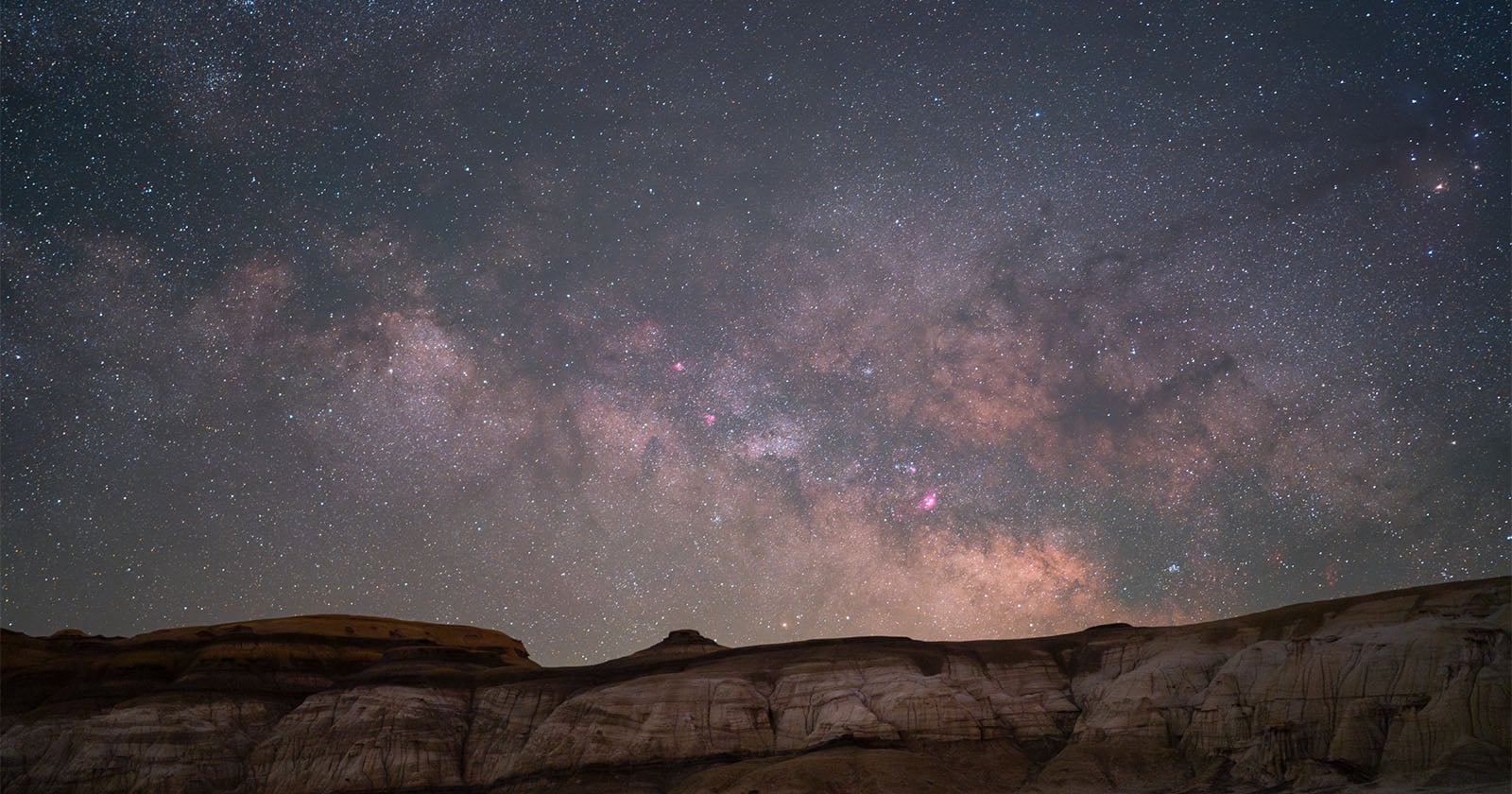
The allure of capturing the Milky Way has captivated photographers for generations, a pursuit often romanticized yet frequently fraught with technical challenges. Achieving a truly stunning image requires not just a capable camera and lens, but also a deep understanding of celestial mechanics, atmospheric conditions, and precise exposure settings – a steep learning curve for many aspiring astrophotographers. It’s a fascination we see mirrored in our audience’s appreciation for tangible, creative tools, as evidenced by the buzz around deals like [Prime Day Deal Alert: The Oura Ring 4 and Oura Ring 4 Ceramic Will Be at Their Lowest Price Ever] and the enduring appeal of analog processes, as explored in [ARE MY POLAROIDS ANY GOOD ?]. The new “Milky Way Tonight” app, addressing these complexities with a streamlined, user-friendly interface, represents a significant shift, democratizing access to this beautiful corner of the cosmos and removing a considerable barrier to entry.
This isn’t just about simplifying a technical process; it’s about fostering creativity. Historically, the time and energy spent wrestling with settings and predicting optimal viewing conditions often overshadowed the actual act of composition and artistic expression. By automating calculations for optimal exposure times, moon phase considerations, and even light pollution levels, the app allows photographers to focus on the visual narrative – the foreground elements, the framing, the mood they wish to evoke. The ability to anticipate and mitigate potential pitfalls is a form of creative empowerment, enabling photographers to experiment with greater confidence and pursue more ambitious compositions. We’ve long championed tools that elevate the artistic process, and this app aligns perfectly with that ethos, much like our readers' appreciation for the artistry and legacy of equipment such as the one discussed in [This Canon Lens Had Soul]. The core value here is liberating the photographer from the shackles of technical minutiae, enabling them to fully immerse themselves in the beauty of the night sky.
The broader implications for astrophotography are considerable. We can anticipate a surge in accessible, high-quality imagery from a wider range of photographers, potentially leading to a richer and more diverse representation of our galaxy in visual media. This accessibility isn’t about dumbing down the art form; rather, it’s about broadening its reach and fostering a new generation of astrophotographers who may not have otherwise considered pursuing the hobby. The app’s ability to account for seeing conditions, a frequently overlooked factor, further enhances its value. Seeing refers to the atmospheric turbulence that blurs images, and understanding its impact is crucial for achieving sharp, detailed results. By factoring this into its calculations, “Milky Way Tonight” elevates the level of achievable quality for even novice users. The curated nature of this tool, thoughtfully designed to remove complexity, is a hallmark of the lifestyle we cultivate – a synthesis of beauty, functionality, and effortless elegance.
Ultimately, the rise of tools like “Milky Way Tonight” prompts a fascinating question: as technology continues to simplify complex processes, how will it reshape our relationship with skill and mastery? Will it lead to a decline in traditional expertise, or will it simply empower individuals to explore new creative avenues previously inaccessible? The democratization of astrophotography is undoubtedly a positive development, but it also invites us to consider the evolving role of technical knowledge in artistic expression and the enduring allure of the craft itself. We’ll be watching closely to see how this trend unfolds and the new perspectives it brings to the art of capturing the cosmos.
Many photographers love photographing the Milky Way, but few enjoy all the hassle that comes with it. Unpredictable seeing conditions, bad timing, and a pesky Moon are common friction points that prevent astrophotographers, especially novices, from succeeding. A new app, Milky Way Tonight for iOS and Android, is designed to streamline the entire process and take the guesswork out of Milky Way photography.
Read on the original site
Open the publisher's page for the full experience