Photographer Spends 16 Years Documenting Baltimore’s Abandoned Homes
Our take
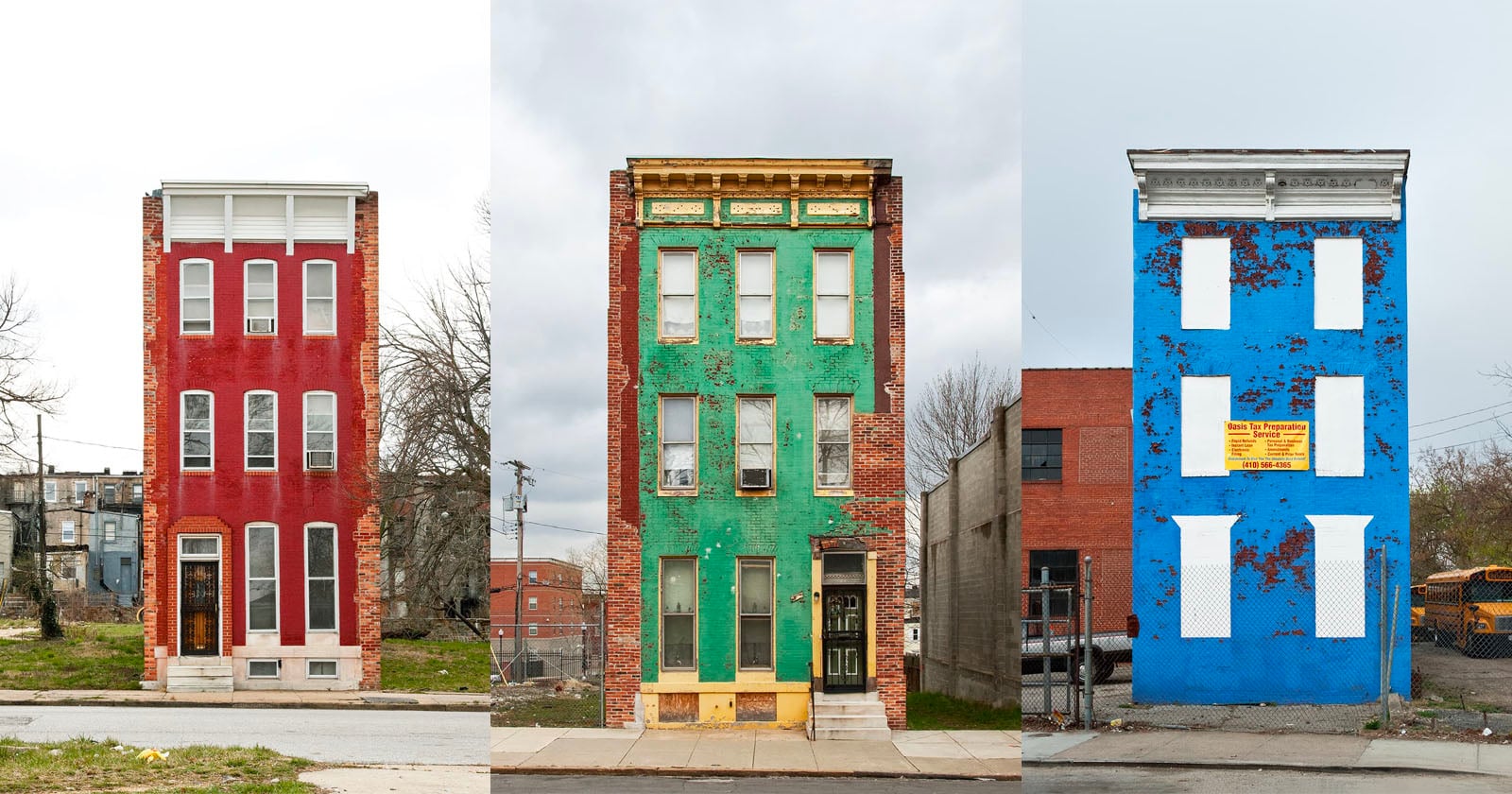
The quiet dedication of photographer Ben Marcin to documenting Baltimore’s abandoned homes over a staggering sixteen years speaks volumes about the power of observation and the enduring allure of decay. His project isn't merely a collection of photographs; it's a poignant visual archive of a city grappling with economic shifts, demographic changes, and the slow, inevitable march of time. It’s fascinating to consider this work alongside the recent resurgence of film photography, as highlighted in [Eastman Kodak ‘Goes Big’ and Shows Film Some More Love], demonstrating a broader cultural interest in tangible mediums and the preservation of moments, even those tinged with melancholy. Similarly, Marcin’s deliberate, long-term approach echoes the thoughtful considerations explored in [The Excellent Kodak Ultramax 400 Is an Unfortunate Victim of Bad Branding], reminding us that the value of an artistic endeavor often lies not just in the final product, but in the meticulous process behind it. The risks Marcin takes – navigating hazardous environments and potential dangers – only amplify the significance of his commitment, transforming each image into a testament to resilience and the overlooked beauty found within urban decline.
Marcin's work transcends simple documentation, elevating these abandoned structures into evocative portraits of forgotten lives and lost potential. The boarded-up windows, peeling paint, and overgrown landscapes become metaphors for societal neglect and the fragility of the built environment. It’s easy to view abandoned buildings as symbols of failure, but Marcin's lens reveals a quiet dignity and a haunting beauty in their decay. The fact that he’s endured ticks, copperheads, and even potential threats from residents underscores the dedication required to capture these fleeting moments, these visual remnants of a past that’s slowly fading away. These images aren't intended to be sensationalist; instead, they invite contemplation – prompting viewers to consider the stories embedded within these walls and the human narratives that have unfolded within them. They are a powerful counterpoint to the often-glossy portrayals of urban landscapes, offering a raw and unfiltered glimpse into the realities of decline.
The project’s longevity—sixteen years—is perhaps its most striking feature. It allows for a nuanced understanding of the evolution of these spaces, showcasing not just a snapshot in time, but a gradual process of deterioration and reclamation by nature. This prolonged engagement also fosters a deeper connection between the photographer and his subject, resulting in images that are imbued with a sense of intimacy and authenticity. This contrasts starkly with the rapid-fire consumption of imagery that characterizes much of contemporary media. The deliberate pace of Marcin’s work encourages a more contemplative viewing experience, prompting viewers to slow down and truly appreciate the details that might otherwise be missed. It’s a powerful reminder of the importance of patience and perseverance in artistic endeavors, and the rewards that can be reaped from a long-term commitment to a single vision. The accessibility of high-quality telephoto lenses, as discussed in [The Best Deals on Telephoto Lenses for (Nearly) Every Camera], demonstrates the increasing ease with which artists can capture intricate details, further empowering projects like Marcin’s that rely on precise observation.
Ultimately, Ben Marcin’s project serves as a vital record of a specific place and time, a testament to the power of visual storytelling, and a poignant reflection on the complexities of urban life. It compels us to confront the uncomfortable realities of abandonment and decay, while simultaneously celebrating the enduring beauty that can be found even in the most unexpected places. As cities continue to evolve and transform, the role of photographers like Marcin becomes increasingly important—preserving visual memories and offering a unique perspective on the ever-changing landscape around us. The question remains: how will future generations interpret these visual records of urban decline, and what lessons will they draw from the stories embedded within these abandoned spaces?
A photographer has been capturing abandoned homes in Baltimore and the surrounding areas for the past 16 years -- dodging ticks, copperheads, drug dealers, hunters with high-powered rifles, and farmers on ATVs.
Read on the original site
Open the publisher's page for the full experience