Photographer Sues Coffee Shop for Using Cartoon Version of Her Image on Cups
Our take
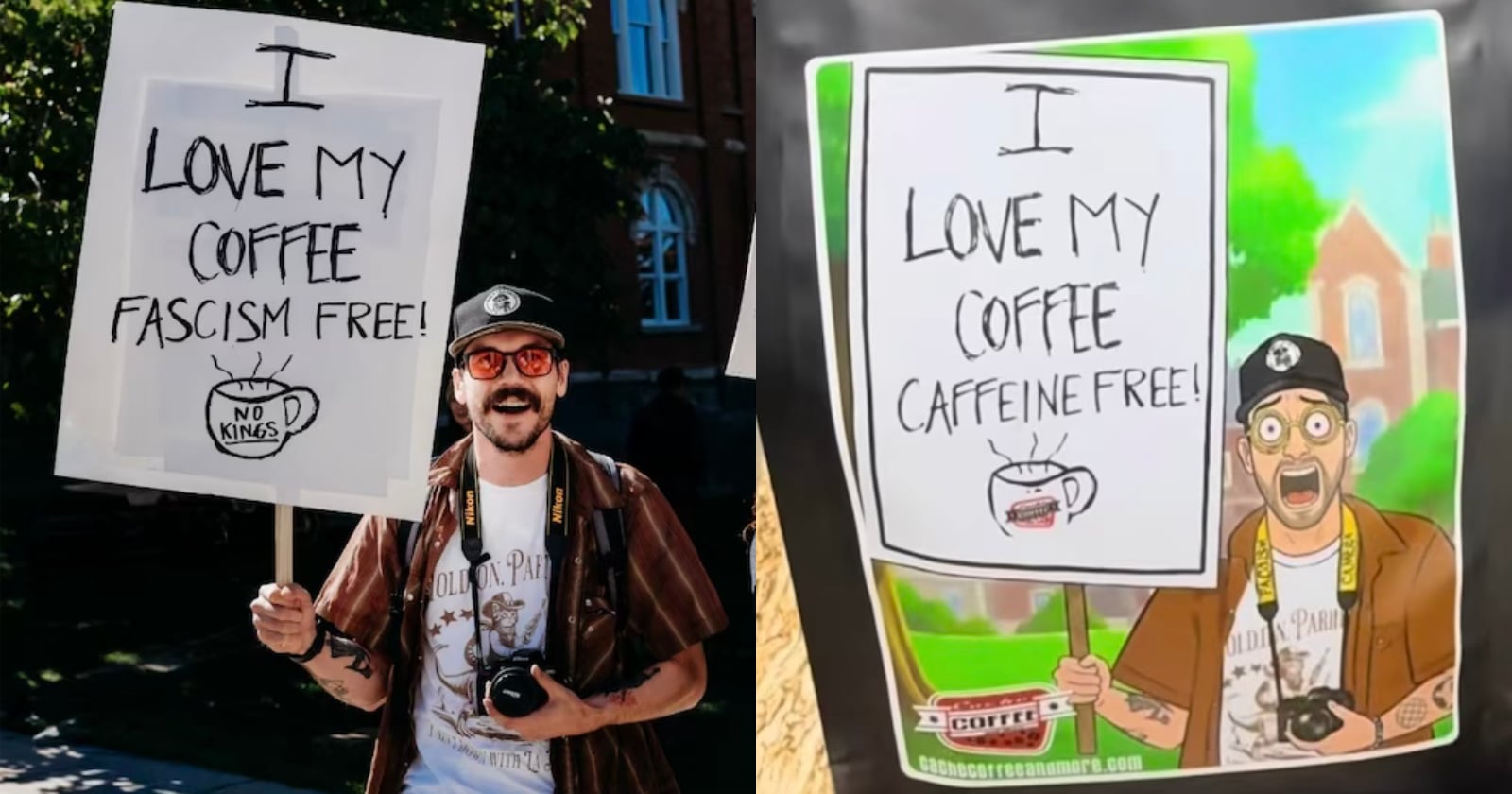
The recent lawsuit filed by a photographer against a coffee shop for unauthorized use of a cartoonized version of her image raises a fascinating and increasingly pertinent question for creatives: how far does fair use extend when artistic interpretation is involved, and what protections truly exist for original photographic work in the age of rapid digital reproduction? This case, centering on a photograph of a protester adapted into a whimsical cartoon for coffee cups and merchandise, highlights the precarious balance between artistic expression and intellectual property rights. It’s a situation not entirely dissimilar to the recent news of [Topps to Release One-of-a-Kind Card Featuring Iconic Photo of Lionel Messi and Baby Lamine Yamal], where the commercialization of an iconic image sparks debate about ownership and value, albeit in a very different context. The coffee shop’s defense will likely hinge on the argument that the cartoon represents a transformative work, significantly altering the original image’s meaning and context. However, the photographer’s claim rests on the premise that the cartoon still derives substantially from her original work, representing an unauthorized commercial exploitation of her creative effort. This echoes conversations surrounding the innovative gear being released by companies like Peak Design, as seen in [Peak Design’s New Field Bracket Reinvents the L-Bracket for Modern Photographers], where the need for robust and adaptable creative tools is paramount, and underscores the need for strong legal protections.
The legal ramifications of this case extend far beyond a single coffee shop and a single photograph. It speaks to a broader trend of casual appropriation of visual content online and offline. The ease with which images can be copied, modified, and distributed presents a constant challenge for photographers and other visual artists seeking to protect their work. While fair use doctrines exist to allow for parody, criticism, and education, the line between permissible use and infringement becomes increasingly blurred when commercial interests are involved. The cartoonization itself introduces a layer of complexity; is it a genuine act of artistic transformation, or simply a superficial alteration intended to circumvent copyright restrictions? The court's interpretation will likely influence how similar cases are handled in the future, setting a precedent for how derivative works are evaluated. This also connects to emerging discussions about the ethical considerations of AI-generated art and its potential impact on human artists, a topic that is quickly gaining importance as technology continues to evolve.
The argument here isn’t simply about the financial loss incurred by the photographer; it's about the principle of artistic integrity and the right of creators to control the use of their work. Photographers, like all artists, invest significant time, skill, and resources into crafting their images. Allowing businesses to freely adapt and monetize these images without consent devalues that work and discourages creative expression. The coffee shop’s actions, even if intended as a playful marketing tactic, undermine the very foundation of copyright law, which is designed to incentivize creativity and protect the rights of creators. While the transformative nature of the cartoon is central to the case, the fact that it's being used for commercial gain – on cups and bags sold for profit – amplifies the potential infringement. The case underscores the importance of obtaining proper licenses and permissions before using copyrighted material, especially in commercial contexts.
Ultimately, this lawsuit serves as a crucial reminder of the evolving landscape of copyright in the digital age. It forces us to reconsider the boundaries of fair use and the ethical responsibilities of businesses when utilizing visual content. As AI tools become increasingly sophisticated and capable of generating derivative works, the legal and ethical complexities surrounding copyright will only deepen. [Researchers Design ‘Invisible’ Drone That Vanishes Before Your Eyes] showcases another area where visual communication and technological innovation intersect, and the implications for copyright and artistic ownership are profound. The outcome of this case will undoubtedly shape the future of copyright law and the protection of visual artists’ rights, leaving us to wonder: how will the legal system adapt to protect creativity in a world where images can be replicated, modified, and disseminated with unprecedented ease?
A photographer has filed a lawsuit against a coffee shop for allegedly using a cartoon version of her image of a protester on its cups and bags without consent.
Read on the original site
Open the publisher's page for the full experience