Photographer Who Took Famous Photo of Oppenheimer Honored With Statue
Our take
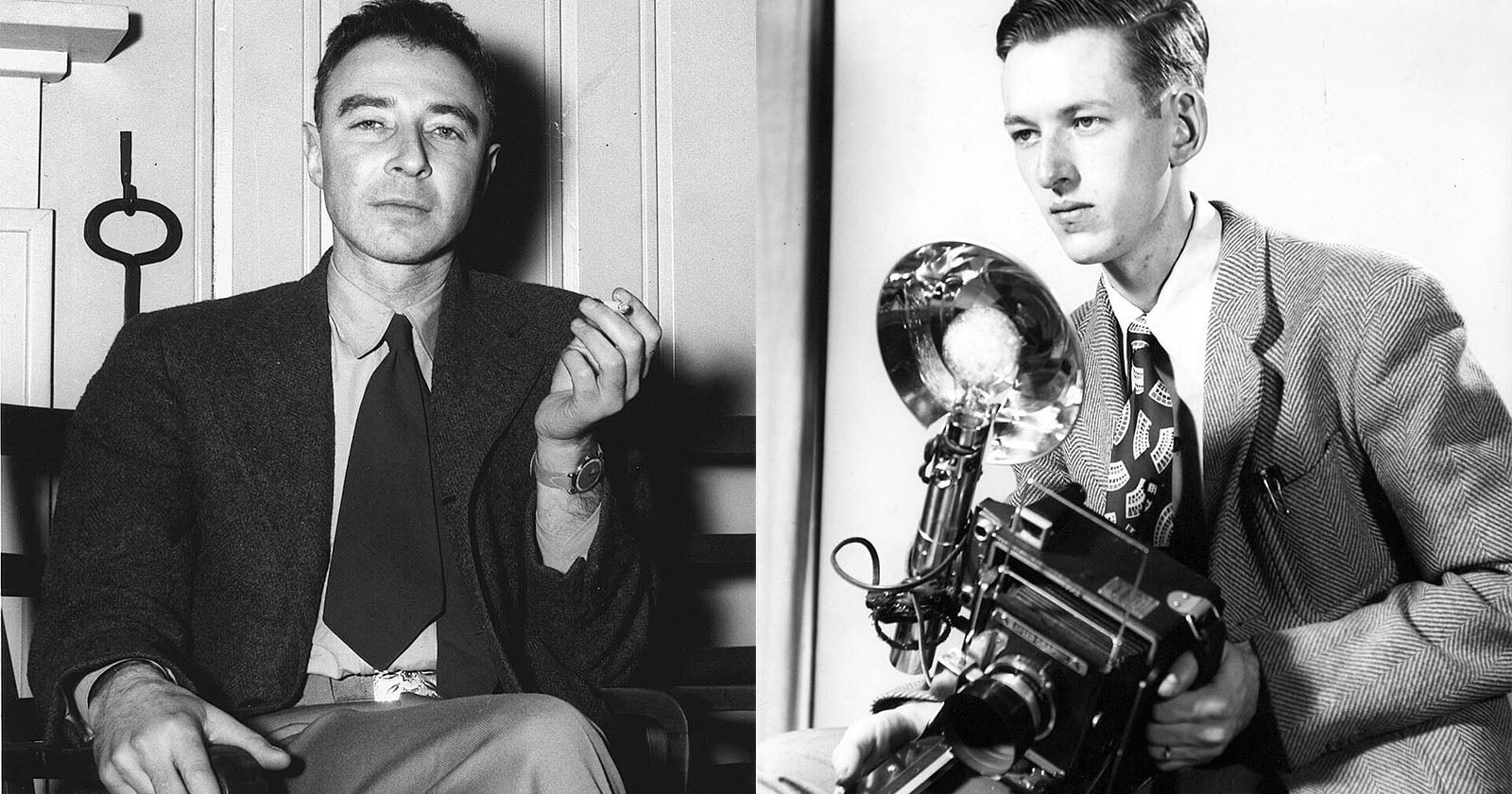
The unveiling of a life-sized statue honoring Ed Westcott, the official photographer for the Manhattan Project, in Oak Ridge, Tennessee, marks a profound moment of recognition for a visual artist whose work shaped one of history's most consequential chapters. Westcott's iconic portrait of J. Robert Oppenheimer—capturing the contemplative intensity of the physicist whose contributions altered the course of global conflict—has become an indelible image in our collective visual memory. The statue, depicting Westcott with his vintage camera and flash attachment, stands as a testament to the enduring power of photography to preserve not merely faces, but the weight of historical moments. As we witness technological leaps in optical innovation—from Canon's first L-Series Power Zoom lens to Sony's evolved telephoto capabilities for capturing distant action—we are reminded that the medium's evolution began with visionaries like Westcott, who understood that the right image, captured at the right moment, can transcend documentation and become prophecy.
What makes this tribute particularly resonant is its location. Oak Ridge was once a secret city, a place where tens of thousands worked in purposeful anonymity toward a goal they could not fully discuss. Westcott moved through these spaces with his camera, creating a visual record of a community that existed in shadow. His photographs did more than document; they humanized a project that could easily have been reduced to equations and strategy. In an era when we celebrate the latest camera releases and debate the merits of mirrorless versus rangefinder systems, Westcott's work reminds us that the most significant photographs are not defined by their technical perfection but by their capacity to convey truth, gravity, and humanity. The medium continues to evolve, as evidenced by new professional-grade lenses designed for sports and wildlife photography, yet the fundamental purpose remains unchanged: to freeze a moment and give it lasting meaning.
The statue also invites us to consider the often-overlooked collaborators in historical narratives. Oppenheimer's face is known worldwide; Westcott's, until now, has remained in the shadows of his own photographs. This recognition corrects a subtle imbalance, acknowledging that history is not only made by those who act but also by those who witness and record. For creative professionals and enthusiasts who understand the weight of visual storytelling, this moment carries particular significance. It affirms that the photographer's role is not merely technical service but artistic contribution—the difference between a snapshot and a statement often lies in the eye behind the viewfinder.
As we look ahead, the question emerges: what other visual chroniclers of pivotal moments remain unacknowledged? The Manhattan Project had its Oppenheimers and its Groves, but it also had Westcott, whose quiet vigilance ensured that future generations would see not just the science but the humanity of that extraordinary endeavor. The statue in Oak Ridge thus serves as both tribute and invitation—a call to recognize the artists who help us understand our own history, and a reminder that every significant moment deserves a witness with both skill and vision.
A life-sized statue of the official photographer for the Manhattan Project has been unveiled in Oak Ridge, Tennessee.
Read on the original site
Open the publisher's page for the full experience