Photographers and Scientists Partner to Solve the Riddle of the Ghost Orchid
Our take
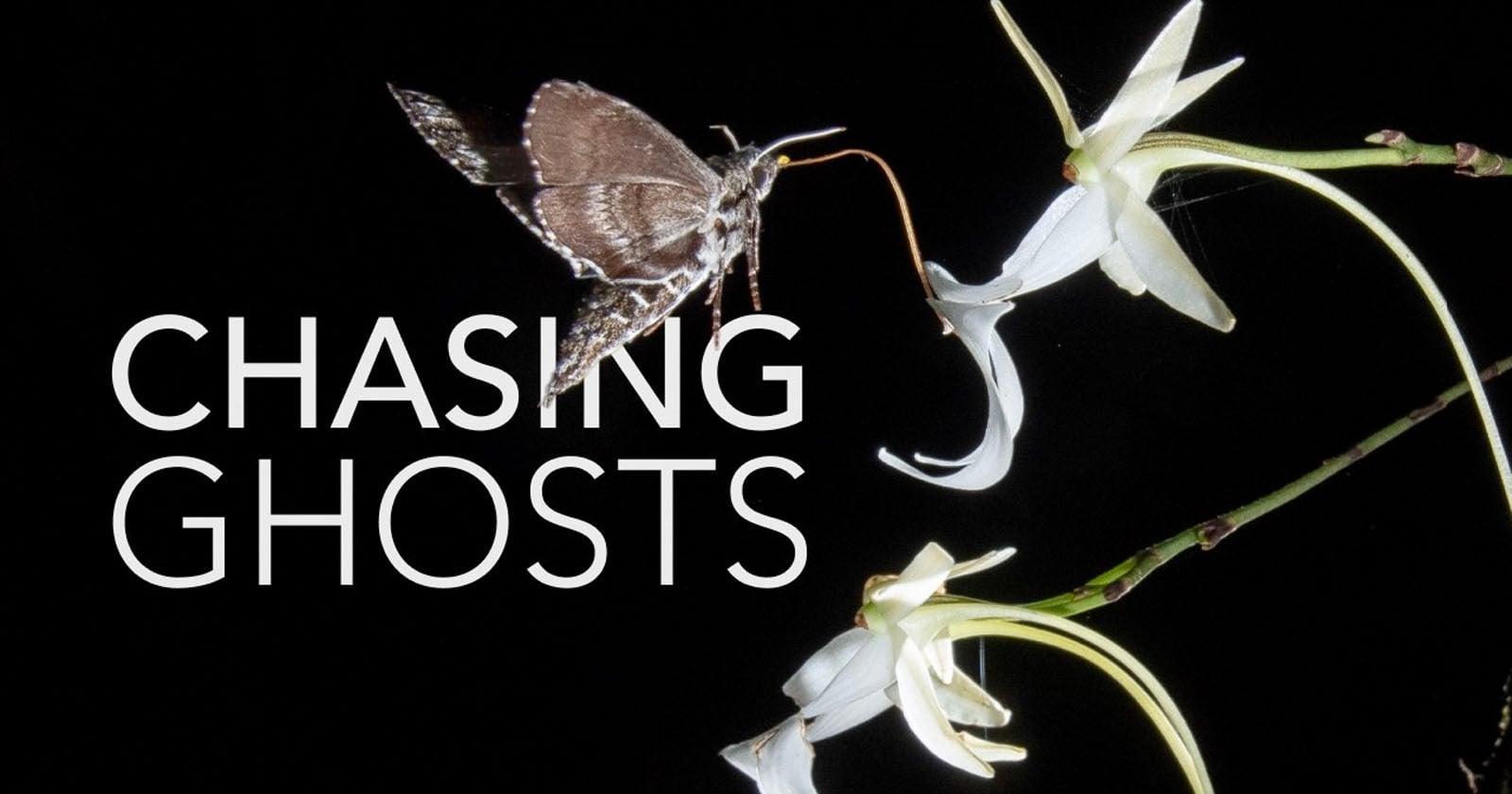
The quest to understand the ghost orchid, one of North America's rarest flowers, is not merely a pursuit of botanical knowledge; it serves as a poignant reminder of the intricate relationship between art and science. The new documentary that follows photographers and scientists into the heart of Florida’s secluded swamps illuminates a fascinating intersection where creativity meets inquiry. In a world increasingly dominated by technology and instant gratification, such projects invite us to slow down and immerse ourselves in the beauty of nature, as well as the mysteries that still elude our understanding. They echo the sentiment found in articles like India’s Tiger Reserves Are Banning Smartphone Photography, which highlight the importance of experiencing the natural world without the distractions of modern technology.
The ghost orchid, with its ethereal beauty and elusive nature, has perplexed botanists for decades. Its reproductive mechanisms are largely undocumented, making this documentary a vital exploration not just of a single species, but of the broader themes of conservation, biodiversity, and the urgency of ecological research. As photographers capture the delicate bloom and scientists gather data, they collaborate in a dance of observation and interpretation, each bringing their unique lens to the story. This collaborative effort underscores the importance of multidisciplinary approaches in understanding our environment, much like the discussions around the Thoughts about ai clean up tools, which explore how technology can aid artistic expression without overshadowing it.
Moreover, the allure of the ghost orchid transcends mere aesthetics; it embodies hope and resilience in an era where many species face extinction. As climate change and habitat destruction threaten delicate ecosystems, documenting such rare flora becomes an act of preservation. The insights gained from this study may inform conservation strategies, helping to safeguard not only the ghost orchid but also the myriad of organisms that share its habitat. The film serves as a clarion call for environmental stewardship, urging viewers to appreciate the interconnectedness of all living things.
As we reflect on the implications of this endeavor, one must consider the role of storytelling in science. Documentaries like this do more than present facts; they weave narratives that resonate emotionally with audiences. They transform dry data into compelling tales of adventure and discovery, inspiring viewers to engage with the natural world in deeper, more meaningful ways. This aligns with our growing understanding of the power of visual media to shift perceptions and foster a sense of agency in the fight for environmental conservation.
Looking ahead, the partnership between photographers and scientists in exploring the ghost orchid poses an intriguing question: as we continue to unravel the mysteries of our natural world, how can we further integrate artistic sensibilities into scientific inquiry? This dialogue has the potential to enrich both fields, encouraging a holistic approach to understanding and preserving the beauty of our planet. Such collaborative efforts may not only yield answers but also inspire a new generation of conservationists who appreciate the harmony between art and science in their quest to protect our fragile ecosystems.
A new documentary follows photographers and scientists deep into Florida’s most remote swamps in search of answers to one of botany’s most enduring questions: what pollinates the elusive ghost orchid. Long considered one of North America’s rarest and least understood flowers, the species has resisted decades of study, with its reproduction largely undocumented in the wild.
Read on the original site
Open the publisher's page for the full experience