Photographers Are Tired of Big Cameras
Our take
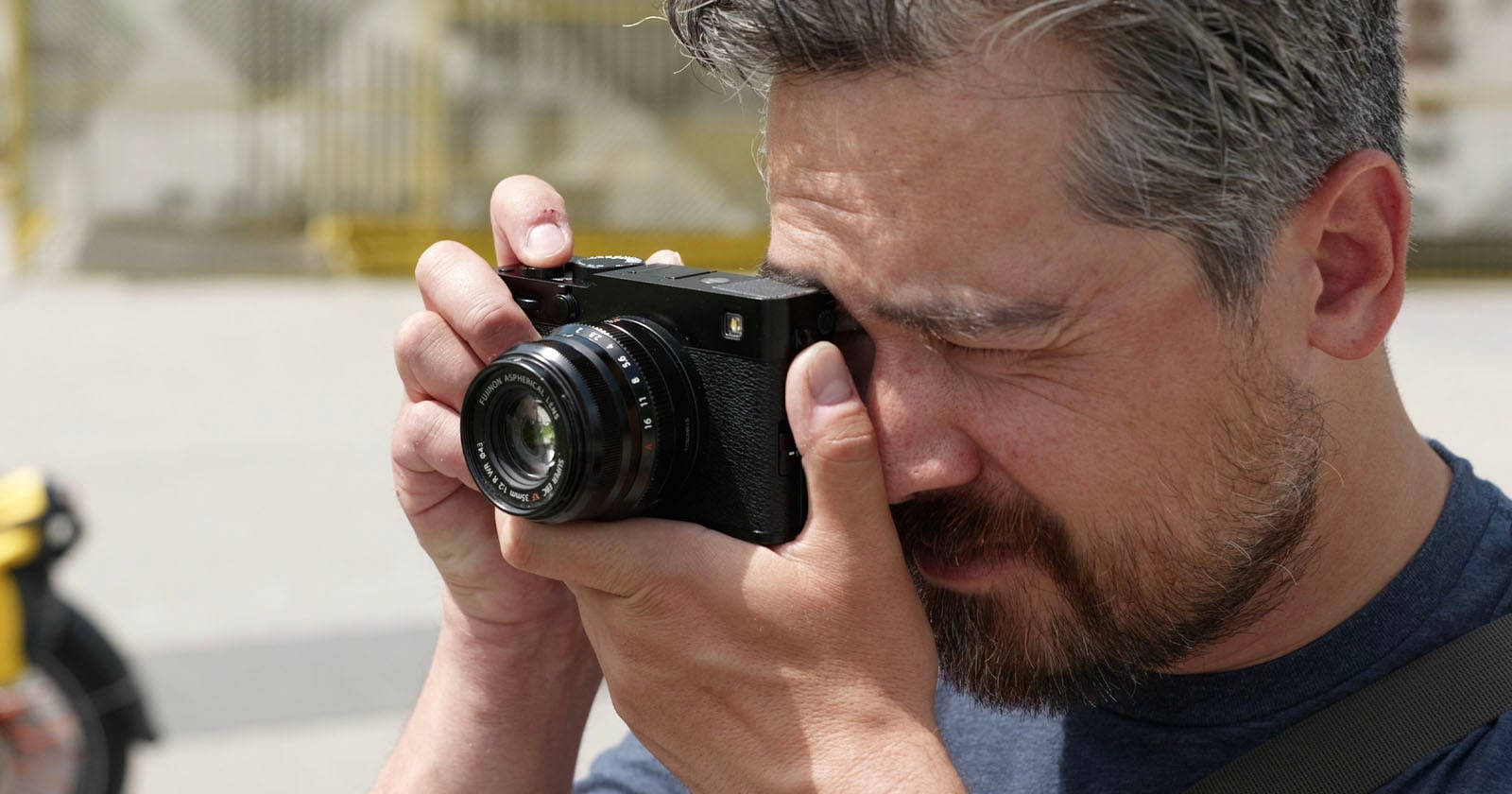
The recent shift in sentiment amongst photographers, evidenced by articles like This Hello Kitty Camera Collab is Ready for Action and the ongoing legal battles surrounding innovation, as detailed in Insta360 Intends to Prove the Luna Is Original, Not Based on DJI’s Patents, speaks volumes about the evolving landscape of visual storytelling. The observation that even seasoned reviewers like Chris Niccolls are seeking smaller camera systems signals a broader trend - a desire for portability and accessibility without sacrificing image quality. For years, the narrative has been dominated by the allure of larger, more complex cameras, often synonymous with professional-grade photography. However, the increasing sophistication of smartphone cameras, coupled with the rise of compact mirrorless systems, has fundamentally altered the equation, challenging the traditional hierarchy and redefining what constitutes a "professional" tool. This isn't simply about convenience; it’s a reflection of how photographers – and the subjects they photograph – are engaging with the world.
The article’s core point – that photographers are tiring of bulky equipment – resonates with a growing appreciation for a more fluid, less intrusive approach to capturing moments. The meticulous craftsmanship exemplified in How a Photographer Handmade His Dream 8×10 Camera for Everyone, while impressive, highlights a niche pursuit. The mainstream is moving towards smaller, more versatile tools capable of seamlessly integrating into everyday life. This shift is fueled, in part, by a desire to document authentic, unscripted moments. Large cameras, with their inherent presence and the associated formality, can alter the dynamic between photographer and subject, creating a sense of self-consciousness that detracts from the spontaneity of the scene. The emergence of smaller, powerful cameras allows photographers to blend in, observe, and capture genuine expressions without disrupting the natural flow of events. The ability to capture high-quality images discreetly opens up new avenues for street photography, documentary work, and even portraiture, fostering a deeper connection with the subject.
The implications for manufacturers are significant. The demand for smaller, lighter cameras isn't a fleeting fad; it represents a fundamental shift in consumer expectations. Companies must prioritize innovation in miniaturization and sensor technology to deliver exceptional image quality within compact form factors. This includes advancements in lens design, image stabilization, and processing capabilities. Furthermore, the rise of computational photography – the use of software algorithms to enhance image quality – becomes even more critical. While larger sensors traditionally held an advantage in terms of dynamic range and low-light performance, the rapid progress in computational photography is narrowing the gap, allowing smaller sensors to achieve remarkable results. The emphasis will likely move towards creating integrated systems that seamlessly combine hardware and software to deliver a superior user experience.
Ultimately, the photographer’s desire for a smaller camera isn’t about abandoning quality; it’s about redefining it. It’s a recognition that the best camera is often the one that’s readily available, unobtrusive, and capable of capturing the essence of a moment without imposing itself on the scene. The question now becomes: how far can manufacturers push the boundaries of miniaturization and computational photography to meet this evolving demand, and will this trend lead to a further blurring of the lines between professional and consumer-grade equipment?
We were sitting on a train between neighborhoods in Osaka, Japan, when Chris Niccolls turned to me. "I'm thinking of buying a new camera," he said. I was shocked. Chris, who has a different camera in hand every week because of his job as a reviewer, actually wanted to own one. "I want something small."
Read on the original site
Open the publisher's page for the full experience