Photography Was Frederick Douglass’ Most Powerful Tool for Abolition
Our take
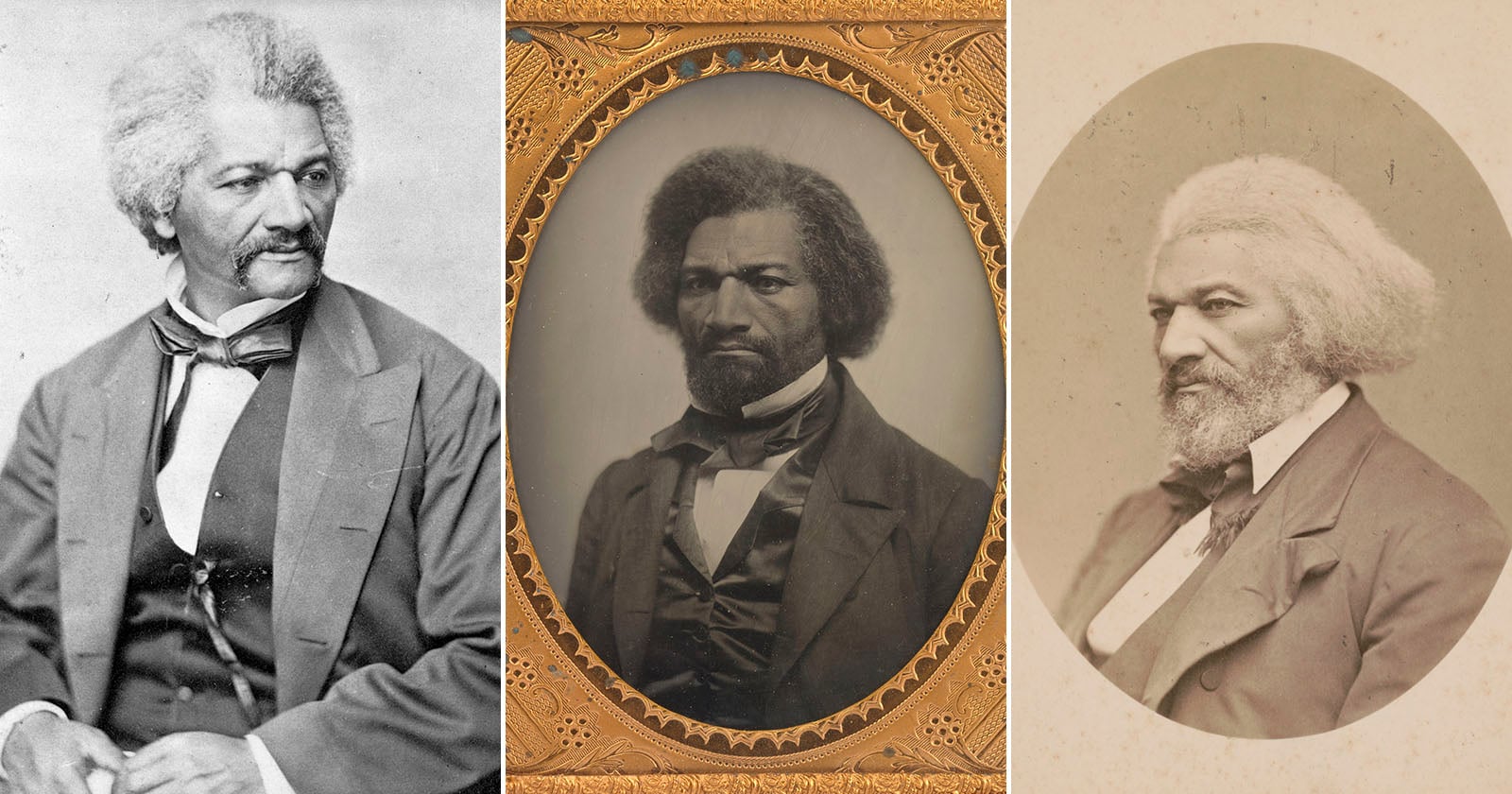
The recent spotlight on Frederick Douglass’s strategic use of photography during the abolitionist movement offers a profound and surprisingly contemporary lens through which to view the power of visual storytelling. It’s easy to focus on Douglass’s eloquent writing and impassioned speeches, but the deliberate commissioning and dissemination of photographic portraits—images of a man who, by virtue of his very existence, defied the dehumanizing stereotypes propagated by pro-slavery advocates—represented a revolutionary act. These weren't simply portraits; they were declarations of humanity, agency, and intellectual capacity, directly challenging the prevailing narrative that sought to justify the institution of slavery. The stark contrast between the carefully composed images of Douglass and the caricatures circulating at the time underscored the insidious nature of prejudice and the power of a counter-visual narrative. This echoes modern discussions surrounding algorithmic curation, as seen in [Instagram Wants to Expand ‘Your Algorithm’ That Curates Your Feed], where the control of visual presentation – and its influence on perception – remains a crucial battleground in shaping public opinion.
Douglass understood that written words, while powerful, could be easily dismissed or ignored. A photograph, however, offered a tangible, undeniable presence. The visual evidence of a dignified, intelligent Black man, a formerly enslaved person, dismantling the racist tropes of the era carried a weight that words alone could not. The sheer act of having his likeness reproduced and circulated widely was a victory in itself, asserting his right to be seen and recognized as a full human being. His collaboration with photographers like Mathew Brady and Alexander Gardner wasn't a mere exercise in self-promotion; it was a calculated campaign to dismantle the visual machinery of oppression. It’s remarkably similar to how camera traps are now utilized in conservation efforts, as demonstrated in [Camera Traps in Honduras Exonerate an Endangered Species Blamed for Eating Crops], to provide irrefutable evidence and reshape public understanding of often-misunderstood creatures. Both scenarios highlight the power of the visual to challenge pre-conceived notions and advocate for change.
The legacy of Douglass’s photographic strategy extends far beyond the 19th century. In an age saturated with imagery, where visual narratives are constantly vying for our attention, his example serves as a potent reminder of the responsibility that comes with wielding the power of the image. The intentional curation of a visual identity, the strategic deployment of photography to counter harmful narratives, and the understanding that visuals can possess a persuasive force beyond words – these are principles that remain incredibly relevant today. Consider, too, the ways in which personal narratives are now conveyed through visual mediums, often with a performative element; the concept of crafting a visual persona has become intrinsic to contemporary culture, as evidenced by profiles like [Gone Fishin’ With Ben Simmons]. Douglass, in essence, was a pioneer of the modern visual self.
Ultimately, Douglass’s embrace of photography compels us to consider the enduring power of visual representation and its capacity to shape our understanding of the world and each other. As we navigate an increasingly visual landscape, grappling with issues of authenticity, bias, and algorithmic influence, it’s vital that we remember the lessons learned from this pivotal moment in history. A question worth watching is: how can we, as creators and consumers of visual content, consciously utilize these tools to promote justice, challenge stereotypes, and amplify marginalized voices, echoing Douglass’s commitment to using photography as a powerful force for social change?
Famed abolitionist, writer, and civil rights leader Frederick Douglass was pioneering and influential in his use of photography in the 19th-century abolitionist movement. For Douglass and his peers, the camera was a potent weapon in the fight for the rights and freedoms of Black Americans.
Read on the original site
Open the publisher's page for the full experience