Photos of ‘Cat in the Hat Serial Killer’ Are AI-Generated, Police Say
Our take
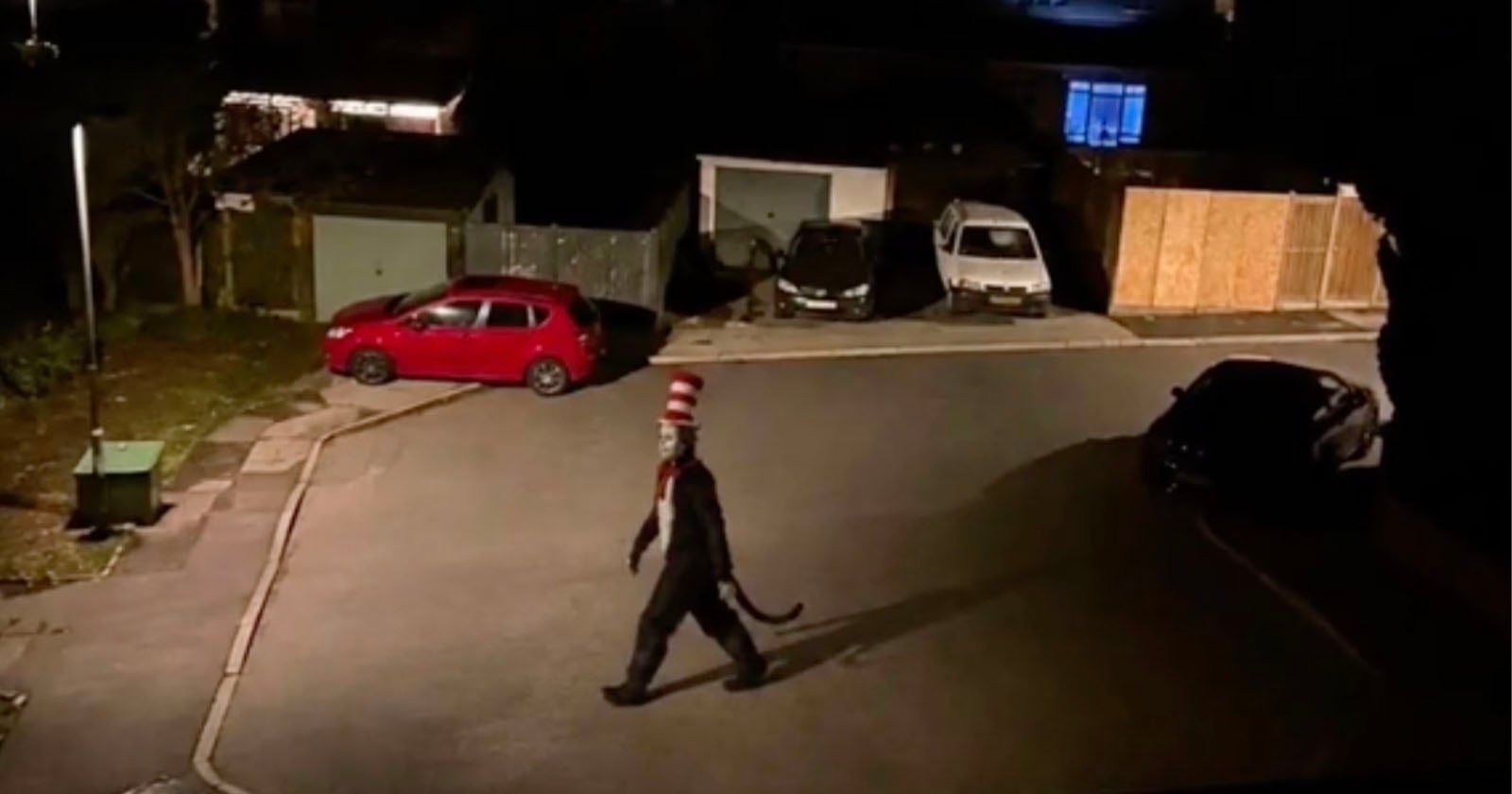
The recent surge of AI-generated images depicting the beloved Dr. Seuss character, the Cat in the Hat, as a menacing serial killer, and the subsequent need for police in the U.K. and Ireland to reassure the public that "Cat in the Hat was not in your driveway," underscores a rapidly evolving and increasingly unsettling landscape. This isn’t merely a quirky internet prank; it’s a stark illustration of the potent and easily weaponized nature of generative AI. As explored in [Using AI Slop to Sell Cameras Will Never Make Sense to Me], the initial enthusiasm surrounding AI’s creative potential is giving way to a more nuanced understanding of its potential for misuse and the ethical considerations that must accompany its development. The speed with which these fabricated images spread, fueled by social media algorithms, highlights the challenges of content verification and the erosion of trust in visual media. The incident also echoes concerns raised in [Redditor Who Scraped Photographer’s Anti-AI App Has Change of Heart], demonstrating how easily datasets can be exploited and repurposed, even when safeguards are attempted.
The immediate impact is, understandably, a sense of unease and a need for public reassurance. However, the deeper implications extend far beyond this specific incident. The ease with which convincing, albeit entirely fabricated, visuals can be created raises serious questions about the future of truth and perception. We’ve long been aware of the potential for "deepfakes" to manipulate video, but the proliferation of AI image generators dramatically lowers the barrier to entry for creating deceptive content. Suddenly, anyone with a relatively modest understanding of these tools can manufacture plausible-looking scenarios, potentially with damaging consequences. The fact that a children’s book character was chosen as the vehicle for this unsettling narrative adds another layer of complexity, exploiting nostalgia and innocence to amplify the shock value. It’s a chilling reminder that no subject is off-limits, and the potential for psychological manipulation is significant. The theft of a photographer's equipment, as detailed in [Photographer Has His Camera Stolen From Under His Nose], while a separate issue, further highlights the vulnerability of creators in a world increasingly saturated with AI-generated content.
The legal and ethical frameworks surrounding AI-generated content are lagging significantly behind the technological advancements. While copyright laws are beginning to grapple with the issue of AI-generated art, the question of liability for the dissemination of malicious or deceptive AI-generated images remains largely unanswered. Who is responsible when a fabricated image incites fear or causes reputational damage? Is it the creator of the image, the platform hosting it, or the developers of the AI model itself? These are complex questions with no easy answers, and they demand urgent attention from policymakers and the tech industry alike. The current reactive approach – responding to incidents as they occur – is insufficient. A proactive strategy that emphasizes media literacy, AI detection tools, and robust ethical guidelines is essential to mitigate the risks.
Ultimately, the “Cat in the Hat Serial Killer” incident serves as a cautionary tale, a stark reminder of the power and peril of generative AI. It’s a moment that should prompt a broader conversation about the responsibility that comes with wielding these powerful tools. As AI technology continues to evolve at an exponential rate, the question isn’t whether these incidents will happen again, but rather how effectively we can adapt and develop safeguards to protect ourselves from the potential harms. What proactive measures, beyond reactive policing, can be implemented to foster a more discerning and resilient public in an age where the line between reality and fabrication is increasingly blurred?
AI-generated pictures and videos purporting to show one of Dr. Seuss' characters as a serial killer have prompted police in the U.K. and Ireland to state that "Cat in the Hat was not in your driveway."
Read on the original site
Open the publisher's page for the full experience