Pro Sports Photographer Denied World Cup Entry Becuse of His Nationality
Our take
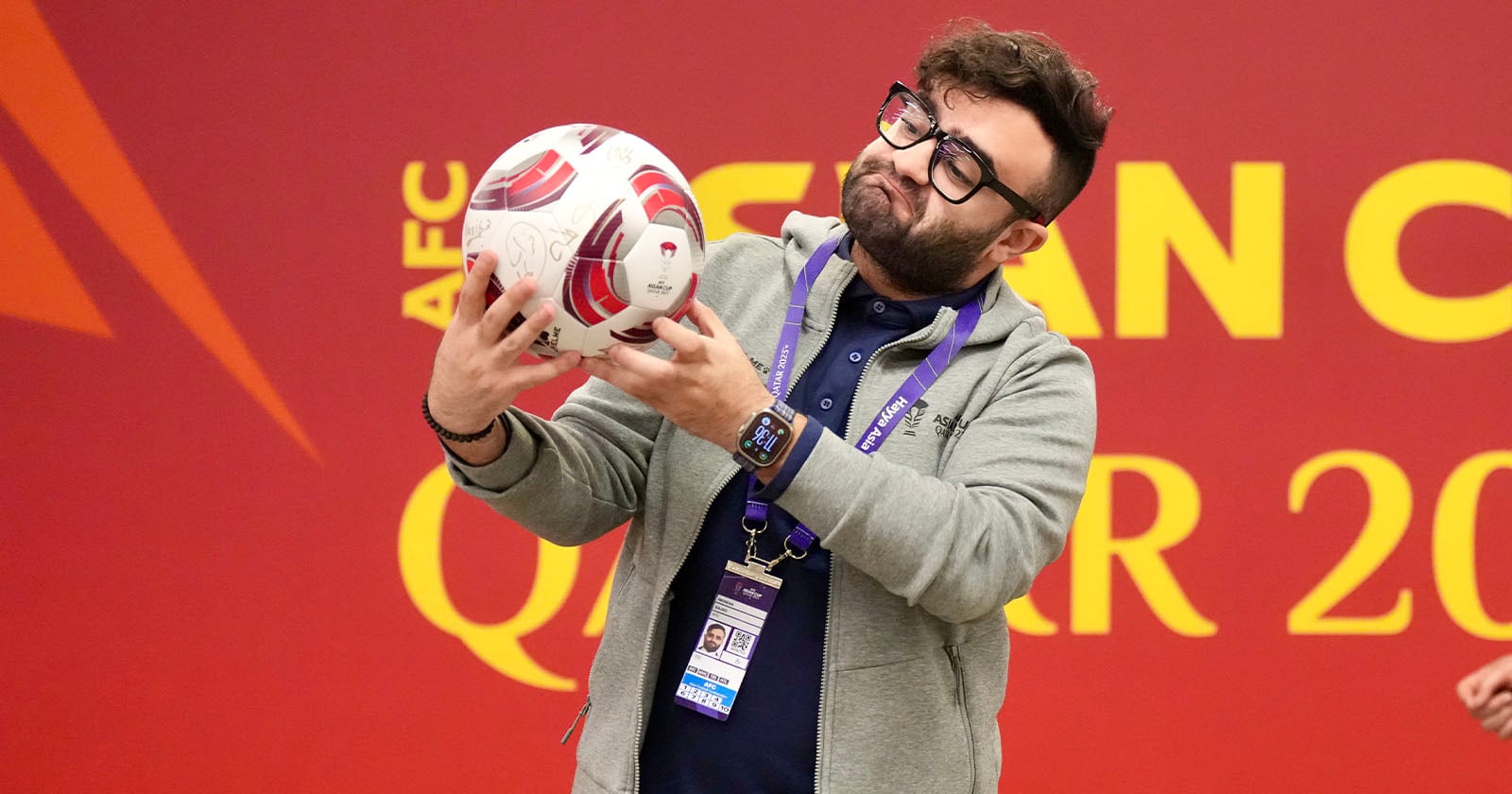
The denial of entry to professional sports photographer Sajad Imanian for the World Cup, based solely on his Iranian nationality, is a stark and deeply troubling development for the creative community and the wider world of sports photography. It’s a tangible manifestation of escalating geopolitical tensions impacting even the seemingly apolitical realm of artistic expression. Imanian’s portfolio, brimming with vibrant images from prestigious events like the Paris Olympics and the AFC Women’s Asian Cup, speaks to his talent and dedication – a dedication abruptly curtailed by bureaucratic obstacles rooted in national origin. This situation echoes concerns previously raised about the limitations placed on creative freedom, a theme explored in articles like [Polaroid’s Anti-AI Ads Cover Up a Dark Secret] and [Photo Companies Have Tons of Great Merch, But They Won’t Sell It To You], highlighting how even established brands grapple with navigating complex ethical and political landscapes. The fact that his work has earned him access to major events and recognition from figures like Jürgen Klopp underscores the injustice of this particular barrier.
The implications extend far beyond Imanian’s individual career. This incident sets a worrying precedent for other international creatives, particularly those from nations experiencing heightened political scrutiny. It raises questions about the future of global collaboration and the potential for discriminatory practices to stifle artistic exchange. While the logistical and security complexities of hosting a global event like the World Cup are undeniable, the denial of access based on nationality rather than demonstrable risk feels like a disproportionate and ultimately damaging response. The stability of film prices, as discussed in [Report Shows That Despite Some Shifts, Film Prices Remain Stable], demonstrates a certain resilience within the photographic industry, yet this incident reveals a fragility in the ability of photographers to freely practice their craft across borders. It’s a reminder that even established skill and professional standing are not always enough to overcome politically motivated obstacles.
The artistic value of sports photography should not be underestimated. It provides a visual record of history, captures moments of human achievement and emotion, and contributes significantly to the cultural narrative surrounding sporting events. Denying a skilled photographer like Imanian the opportunity to document the World Cup diminishes the event itself, limiting the scope of visual storytelling and potentially skewing the global perception of the competition. It’s a loss for audiences worldwide who miss out on his unique perspective and talent. The ease with which access can be denied based on nationality highlights the precariousness of artistic freedom and the importance of advocating for policies that protect it. This isn’t merely about one photographer's misfortune; it’s about the broader principles of inclusivity and the right to creative expression.
The situation demands careful scrutiny and a broader conversation about the role of international organizations and governing bodies in safeguarding the rights of creative professionals. How can we ensure that geopolitical tensions don't unduly restrict artistic expression and limit access to global events? Will this incident spark a wider movement to challenge discriminatory practices within the sports industry and beyond? The future of international creative collaboration may well hinge on the answers we find.
Sajad Imanian's Instagram page is full of photos showing the 26-year-old Iranian smiling with his camera at the Paris Olympics, the AFC Women's Asian Cup, or joking around with soccer manager Jürgen Klopp.
Read on the original site
Open the publisher's page for the full experience