ProGrade Digital’s New CFexpress Cards Are Built for the Most Demanding Shoots
Our take
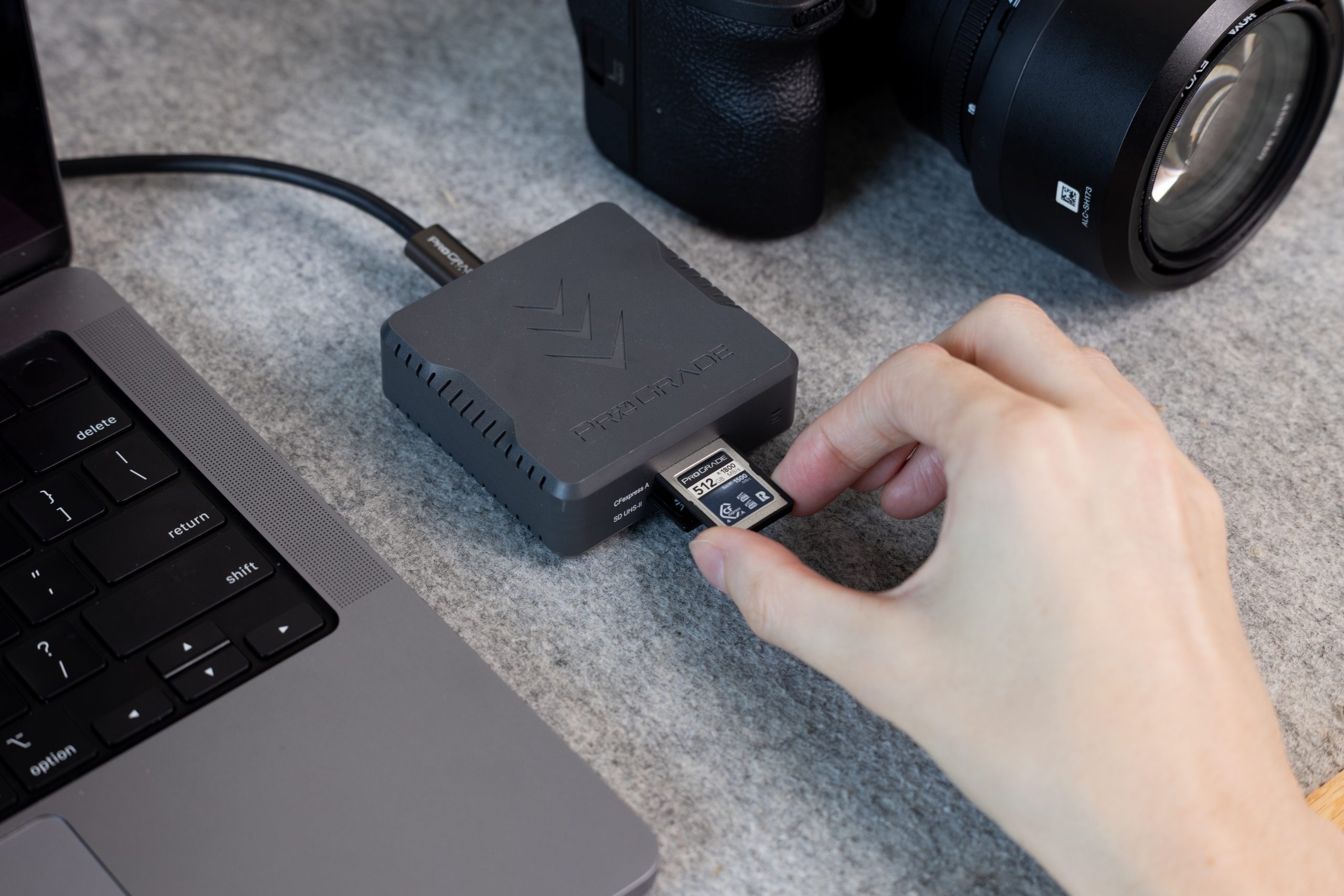
The unsung hero of any photographic endeavor, the memory card, often dictates the success or failure of an assignment. It’s a seemingly simple component, yet its reliability and performance are paramount, especially in today’s high-resolution, high-frame-rate environment. ProGrade Digital’s latest CFexpress card iteration underscores this critical role, and their continued commitment to the professional imaging space is noteworthy. We've previously explored the importance of stable support systems with our [JustTap™ Magnetic Phone Tripod Review], and the evolving landscape of camera technology with news of [MultiDyne Acquires MRMC, the Motion-Control Company Nikon Offloaded]. These developments highlight a broader trend: the demand for increasingly sophisticated tools to capture increasingly complex imagery. ProGrade's offering further supports this evolution.
The significance of ProGrade’s announcement isn’t merely about a new product; it represents a continued refinement of performance within a rapidly advancing technology. CFexpress cards have become the standard for high-end cameras, facilitating the demanding workflows of professional photographers and videographers. The ability to reliably record massive files – 4K, 6K, 8K video, and high-resolution stills – hinges on the card’s speed and endurance. While consumer-grade cards have their place, the professional realm requires a level of robustness and consistency that only dedicated manufacturers like ProGrade can deliver. Furthermore, the increasing accessibility of tools like those showcased in the [YouTuber Tours Enormous Camera Market in Pakistan] article demonstrate that the demand for high-quality recording media is growing globally, spanning diverse skill levels and budgets. This growth puts pressure on manufacturers to constantly innovate and maintain performance standards.
What sets ProGrade apart, and what makes this iteration particularly interesting, is their focus on balancing speed with reliability. Pushing raw transfer speeds to the absolute limit is one thing, but ensuring that those speeds can be maintained under sustained, high-intensity use is another entirely. Heat management, data integrity, and long-term endurance are all critical considerations for professional workflows. A card that bursts with speed initially but quickly degrades under pressure is ultimately useless. ProGrade's reputation has been built on addressing these nuanced challenges, and it appears their new cards continue that trajectory. The market is becoming increasingly competitive, with other players vying for dominance, but ProGrade’s commitment to quality control and meticulous engineering gives them a distinct edge.
Looking ahead, the evolution of CFexpress cards, and solid-state storage in general, will be inextricably linked to the advancements in camera technology. As cameras continue to push the boundaries of resolution and frame rates, the need for increasingly sophisticated memory solutions will only intensify. The ongoing development of new codecs and compression techniques will also demand even greater bandwidth and processing power from storage devices. The crucial question remains: will CFexpress continue to reign supreme, or will a new standard emerge to meet the demands of the future? The answer likely lies in the continued innovation of companies like ProGrade, who are actively shaping the landscape of professional imaging.
Read on the original site
Open the publisher's page for the full experience