Red Bull Used a Vintage Camera to Film a 68-Year-Old Plane’s Historic Return to American Skies
Our take
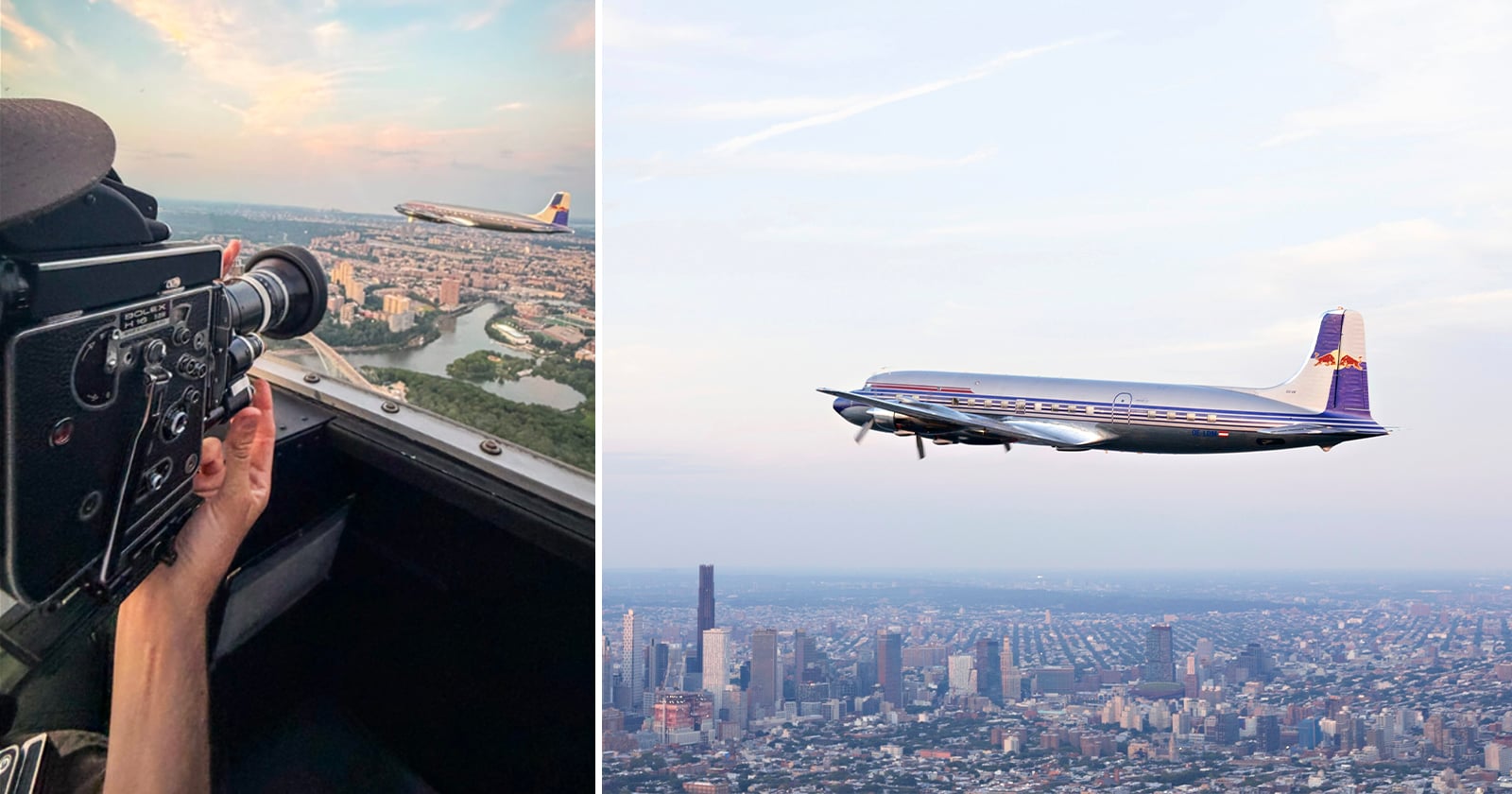
The recent return of Red Bull’s vintage DC-6B aircraft to American skies is more than just a nostalgic flight; it’s a carefully orchestrated performance of history, craftsmanship, and an appreciation for analog beauty in a digital world. The decision to document this momentous occasion using vintage Bolex motion picture cameras, dating from the same era as the aircraft itself, elevates the entire experience from a simple aviation event to a meticulously crafted time capsule. It’s a savvy move that resonates with a growing desire for authenticity and a rejection of the hyper-polished aesthetic often associated with modern filmmaking. This echoes a broader trend we’re seeing in visual storytelling, a yearning for the tangible and imperfect, as explored in articles like [Iconic Hollywood Theater With 70mm Projector is Reopening its Doors], where the resurgence of large format film experiences is drawing audiences back to the cinema. Similarly, the discussion around the specialized capabilities of cameras like the Sony FX5, as detailed in [Why the Sony FX5 Is Sony’s Most Important Cinema Camera Ever], highlights a focus on nuanced image quality and creative control – values seemingly amplified by the choice of vintage Bolex equipment.
The deliberate choice of Bolex cameras isn’t merely about aesthetics; it’s about conveying a specific feeling and narrative. Modern digital cameras offer unparalleled resolution and flexibility, but they often lack the visual character and inherent limitations that forced filmmakers of the 1950s to be more deliberate and creative. The Bolex, with its mechanical operation and distinctive film grain, instantly evokes a sense of nostalgia and authenticity, transporting the viewer back to the era of the DC-6B. This approach aligns perfectly with Red Bull’s brand identity, which consistently blends adventure, artistry, and a celebration of human ingenuity. It's a visual parallel to the meticulous restoration of the aircraft itself, demonstrating a commitment to preserving not just the machine, but the era it represents. The resulting footage, we can imagine, won’t be about showcasing technical perfection but rather capturing the raw emotion and grandeur of the flight—a testament to a bygone era of aviation and a conscious rejection of purely sterile, digital representations.
Beyond the immediate visual appeal, this strategy speaks to a larger cultural shift. We are increasingly drawn to objects and experiences that carry a sense of history and craftsmanship, a reaction against the mass-produced and disposable nature of modern life. The resurgence of interest in analog photography, exemplified by articles like [What Makes These 5 Nikon Cameras Special in 2026?], underscores this desire for tangible connections to the past. Red Bull’s use of vintage cameras taps into this same sentiment, offering a rare glimpse into a world where technology was simpler, yet the sense of wonder and adventure was just as profound. This isn’t about dismissing digital technology entirely; it's about finding a balance and appreciating the unique qualities of different eras and tools. The meticulousness of the project – the pairing of a vintage aircraft with vintage cameras—suggests a deep respect for the past and a desire to honor the artistry of those who came before.
Ultimately, Red Bull’s decision to film the DC-6B’s return with vintage Bolex cameras is a bold and insightful move that transcends mere marketing. It’s a statement about the enduring power of analog aesthetics, the importance of preserving history, and the value of authentic storytelling. As technology continues to advance at an exponential rate, will brands increasingly turn to vintage methods and aesthetics to differentiate themselves and connect with audiences on a deeper, more emotional level? The success of this campaign suggests that the answer may very well be yes, offering a compelling glimpse into a future where the past informs the present in unexpected and beautiful ways.
For the first time since it was manufactured in Santa Monica, California, in 1958, the historic DC-6B aircraft from Red Bull’s aviation collection returned to the skies over the United States for a series of flights, with New York City serving as its first stop. To capture the significance of the aircraft’s return, the production team chose an equally historic approach: filming the aircraft using vintage Bolex motion picture cameras from the same era.
Read on the original site
Open the publisher's page for the full experience