Researchers Design ‘Invisible’ Drone That Vanishes Before Your Eyes
Our take
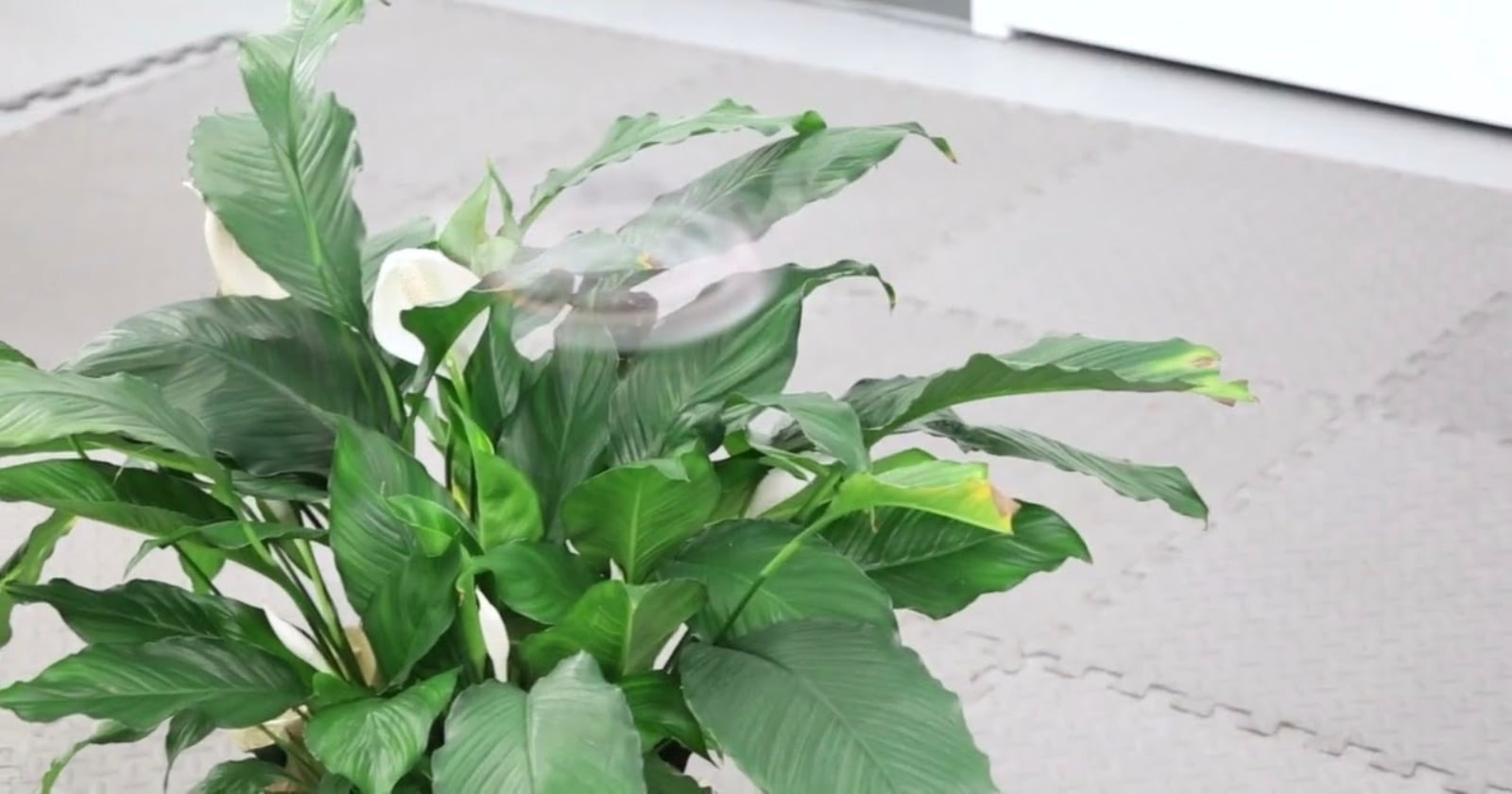
The emergence of the “invisible” drone, achieved not through complex camouflage but through a clever visual illusion, represents a fascinating intersection of engineering and perception. It's a development that immediately sparks a cascade of questions, and one that resonates deeply within a creative landscape increasingly shaped by technological advancements. The concept itself feels almost plucked from science fiction, yet it’s grounded in the tangible reality of optical principles. As Robert Irwin recently argued, “AI Takes Away From the Artistry of Photography” Says Robert Irwin, the increasing reliance on technology raises concerns about the core essence of creative expression. This drone innovation pushes that conversation further; are we entering an era where technology not only assists creation but actively obfuscates its presence? The implications for fields ranging from filmmaking and surveillance to artistic installations are considerable. It’s also worth considering the recent debate around accessibility in art forms—as evidenced by Gen Z's reaction to the IMAX 70mm presentation of *The Odyssey*, “Gen Z Thinks ‘The Odyssey’ in IMAX 70mm is Elitist”—the use of increasingly sophisticated, and potentially expensive, technologies like this drone could inadvertently create a new divide, separating those with access from those without.
The brilliance of this design lies not in brute force, but in elegant deception. Rather than attempting to mimic the background perfectly, which is a notoriously difficult and resource-intensive task, engineers have exploited the way our brains process visual information. By projecting the surrounding environment onto the drone’s surface, it essentially becomes a moving, transparent screen. This approach is significantly more efficient and adaptable than traditional camouflage techniques, which often struggle with changing lighting conditions and perspectives. This resonates with a broader trend in design – a move away from imposing solutions towards those that harmonize with their surroundings. It's a mindful approach that mirrors the curated aesthetic so valued in contemporary art and lifestyle, prioritizing integration and subtlety over sheer visibility. The failures of some companies also highlight the challenges of technological implementation—remember Canon’s biggest lens screwup “Canon’s Biggest Lens Screwup”, a stark reminder that even established brands can stumble with ambitious endeavors.
However, the ethical considerations are paramount. The potential for misuse is undeniable, particularly in surveillance and security contexts. The ability to operate a drone virtually undetected raises serious concerns about privacy and accountability. While proponents might emphasize the benefits for search and rescue operations or environmental monitoring, the risk of abuse is very real. It necessitates a robust discussion around regulation and responsible deployment, ensuring that this technology serves humanity rather than undermining its fundamental rights. The sophistication of the illusion also complicates detection – traditional methods of identifying drones, such as radar or visual scanning, may prove ineffective against a device designed to disappear. This necessitates the development of new detection techniques, perhaps leveraging artificial intelligence or other advanced sensing technologies.
Looking ahead, the evolution of this technology promises a landscape where the boundary between the visible and invisible becomes increasingly blurred. We can anticipate further refinements in the illusion-projection techniques, leading to even more seamless integration with the environment. Beyond drones, this principle could be applied to other objects, creating “invisible” vehicles, robots, or even architectural elements. The question then becomes: how will we adapt to a world where the very things we rely on to navigate and understand our surroundings can effectively vanish before our eyes? Will our trust in visual perception erode, and how will we ensure that this incredible advancement doesn’t inadvertently create a new era of uncertainty and deception?
Engineers have designed an "invisible" drone that nearly disappears before the eye, by using a visual illusion rather than traditional camouflage.
Read on the original site
Open the publisher's page for the full experience