Ricoh, You Disappoint Us | The PetaPixel Podcast
Our take
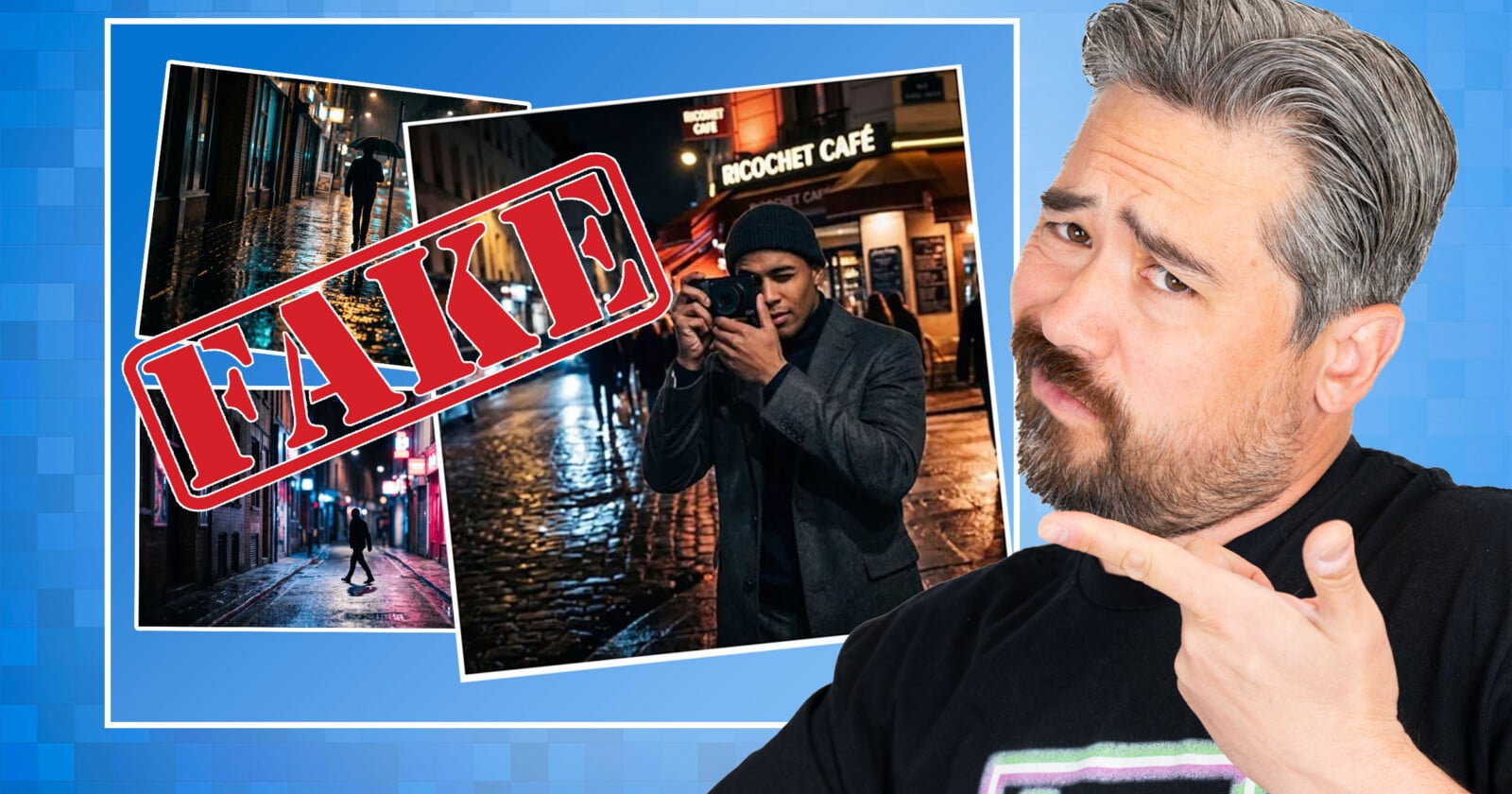
Ricoh’s recent decision regarding AI integration into their cameras, as discussed on the PetaPixel Podcast, represents a significant misstep that resonates far beyond a simple product update. The disappointment expressed by Jeremy Gray, Jaron Schneider, and Chris Niccolls is justified, and reflects a broader concern within the photography community: the prioritization of superficial novelty over genuine user benefit and artistic integrity. Ricoh has long cultivated a reputation for producing cameras that cater to serious photographers, particularly in the realm of street and documentary photography, valuing tactile controls, image quality, and a direct connection between the photographer and the subject. This shift towards AI-generated “enhancements,” specifically the reported alteration of images to resemble a particular aesthetic, fundamentally undermines that ethos. It’s a departure that feels at odds with the brand's established identity and risks alienating a loyal customer base. We've previously explored the challenges of AI in photography, noting the importance of ethical considerations and user control, as detailed in AI Photography Ethics: Navigating the New Landscape. The Ricoh move highlights the dangers of blindly adopting AI trends without carefully considering the impact on the photographic process.
The core issue isn't AI itself, but the *application* of AI in this instance. AI can be a powerful tool for photographers, assisting with tasks like noise reduction, sharpening, and even color grading. However, automatically altering the *content* of an image – essentially creating a composite or manipulated version without the photographer’s explicit consent or control – crosses a line. It transforms the camera from a tool for capturing reality into a device that actively fabricates it. This directly contradicts the principles of documentary photography, street photography, and any genre where authenticity and a faithful representation of the scene are paramount. The "FAKE" stamp imagery accompanying the podcast discussion perfectly encapsulates the sentiment – it’s a betrayal of the trust photographers place in their equipment. Consider the implications for photojournalism, for instance, where the integrity of the captured moment is absolutely critical. This decision casts a shadow on Ricoh's commitment to supporting these crucial forms of visual storytelling, a point also raised in our analysis of camera brand responsibility Camera Brands and Ethical AI: A Responsibility to Photographers.
Beyond the immediate impact on Ricoh's reputation, this episode serves as a cautionary tale for the entire camera industry. It underscores the need for manufacturers to engage in a more thoughtful and transparent dialogue with their users about the integration of AI. Simply adding AI features for the sake of appearing innovative is not enough; these features must enhance, not compromise, the photographer's creative vision. The response from the PetaPixel Podcast crew demonstrates the intensity of feeling within the community – photographers are not looking for their cameras to become autonomous image generators; they want tools that empower them to capture and express their unique perspectives. This isn’t about resisting technological advancement, but about ensuring that technology serves the artist, rather than dictating their creative choices. The focus should be on AI that *assists* the photographer, providing options and tools that can be selectively applied, not on AI that unilaterally alters the image.
Ultimately, Ricoh's misstep prompts a crucial question for the future of photography: how do we harness the power of AI without sacrificing the authenticity, artistry, and integrity that define the medium? The industry needs to move beyond the hype and focus on developing AI solutions that respect the photographer’s role as the creative director. It will be interesting to observe if Ricoh reverses course and addresses the concerns raised by its community, or if this decision marks a permanent shift in their brand identity. The coming months will be critical in determining whether Ricoh can regain the trust of its loyal customer base and reaffirm its commitment to the principles of genuine photographic expression.
This week on the PetaPixel Podcast, Jeremy Gray substitutes for Jordan Drake and joins Jaron Schneider and Chris Niccolls at Sony Kando to discuss Hover Air's last-minute change, new Macs, and Ricoh's very disappointing AI choice.
Read on the original site
Open the publisher's page for the full experience