Should You Use a GameBoy Camera in 2026?
Our take
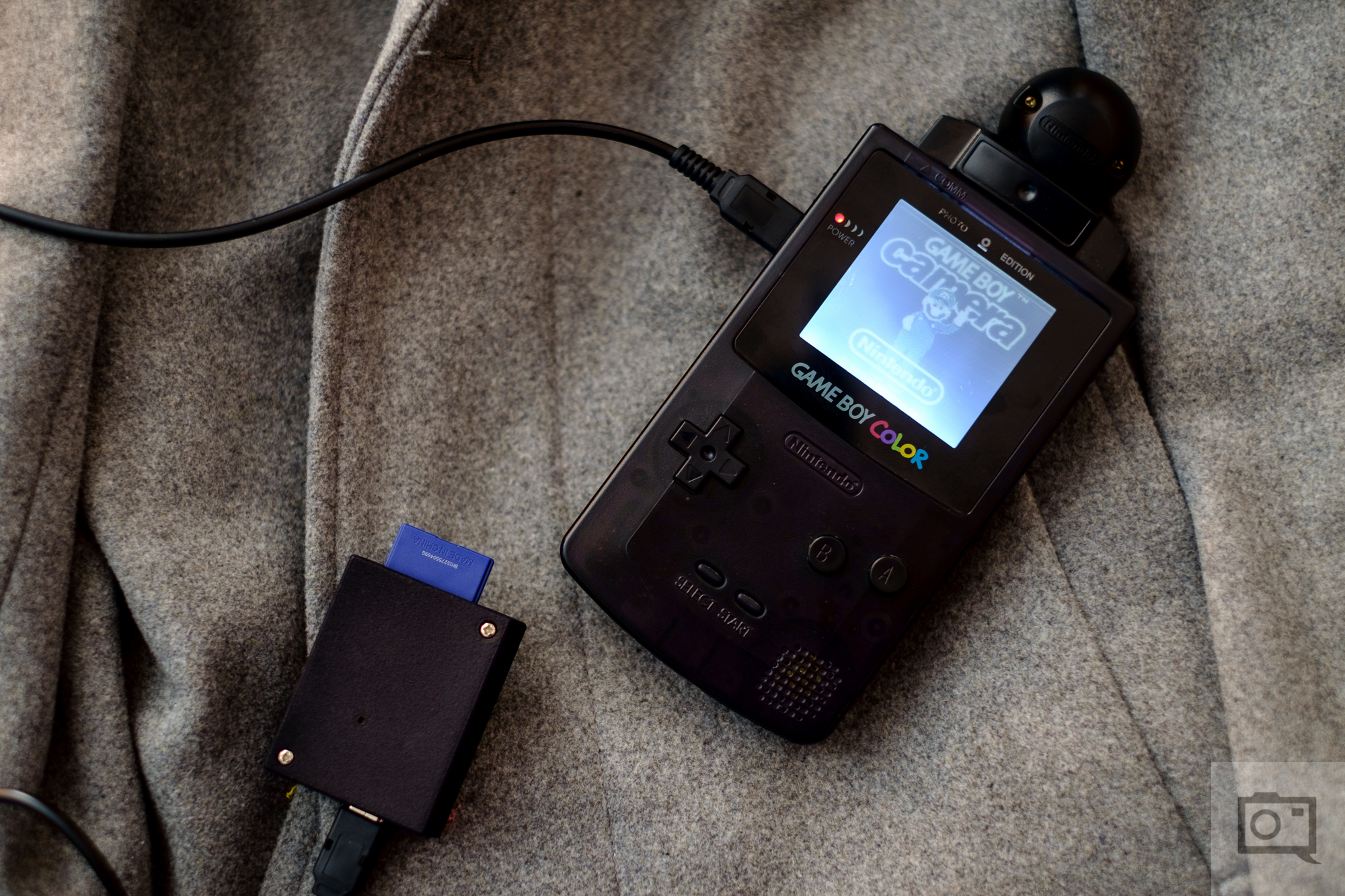
The enduring fascination with retro technology, particularly within the creative community, is a recurring theme we observe. The recent revisiting of the Bit Boy, a device allowing digital storage for the Game Boy Camera, sparks a compelling question: does this niche appeal hold up a decade later, let alone in 2026? It’s a question that resonates with our audience, many of whom appreciate the tangible and often imperfect aesthetic of analog photography while simultaneously embracing the convenience of digital workflows. This sentiment aligns with the evolving needs of photographers, as exemplified by innovative solutions like [This New Pelican Backpack Switches Between Soft Carry and Hard Case in Seconds], demonstrating a desire for adaptable and functional gear that blends heritage with modern utility. The pursuit of unique photographic experiences often leads to exploring unconventional tools, and the Bit Boy represents just that—a portal to a specific, nostalgic creative space. The initial reviewer’s consideration of Instax printing highlights the inherent tension between the digital convenience and the tangible reward of instant film, a dilemma many photographers grapple with.
The appeal of the Bit Boy isn't simply about novelty; it’s about reclaiming a certain intentionality in image-making. In a world saturated with high-resolution, instantly shareable photos, the limitations of the Game Boy Camera – its low resolution, pixelated aesthetic, and quirky interface – become a deliberate artistic choice. It’s a rejection of perfection in favor of character, a move that aligns with a broader trend in creative fields towards embracing imperfection and celebrating the unique qualities of analog processes. We've seen this reflected in other areas, even extending to unexpected spaces. The recent [The Most Hilarious Bloopers From the Robot Games in China] demonstrates a similar appreciation for the unexpected and the imperfect, even in the realm of cutting-edge technology. The human element, the potential for error, and the resulting charm are all qualities that resonate deeply with audiences seeking authenticity. The Bit Boy, in its own peculiar way, embodies that same spirit. It's a playful reminder that creativity doesn't require the latest and greatest technology; it thrives on resourcefulness and a willingness to experiment.
The question of its viability in 2026 is, of course, dependent on shifting cultural trends and technological advancements. While the desire for unique photographic experiences is likely to persist, the availability of increasingly sophisticated smartphone cameras and digital filters might diminish the Bit Boy’s relative appeal. However, the ongoing efforts to protect fragile ecosystems, as seen in [UK’s Rarest Bird Nests Kept Secret to Keep Wildlife Photographers Away], highlight a growing awareness of the impact of technology on the natural world. This heightened sensitivity could fuel a renewed appreciation for low-impact, deliberately constrained photographic tools, like the Bit Boy, that require a more mindful and present approach. It’s a shift away from the constant documentation of every moment and towards a more considered and deliberate act of creation. The device’s limitations, once seen as drawbacks, could become its greatest strengths in a world increasingly dominated by hyper-realistic imagery.
Ultimately, the Bit Boy’s relevance in 2026 isn't about its technical capabilities but rather its ability to inspire a different kind of creative engagement. It's a conversation starter, a reminder of the playful experimentation that often fuels artistic innovation, and a testament to the enduring appeal of retro technology. Will it become a mainstream tool? Unlikely. But will it continue to hold a special place in the hearts of creative individuals seeking a unique and authentic photographic experience? That’s a question worth watching, particularly as technology continues to evolve and our relationship with it becomes ever more complex. Perhaps the enduring question isn’t *should* we use it, but *how* can we leverage its limitations to unlock new creative possibilities?
Read on the original site
Open the publisher's page for the full experience