Sigma’s Redesigned, Slimmer Lens Filters Promise Better Image Quality
Our take
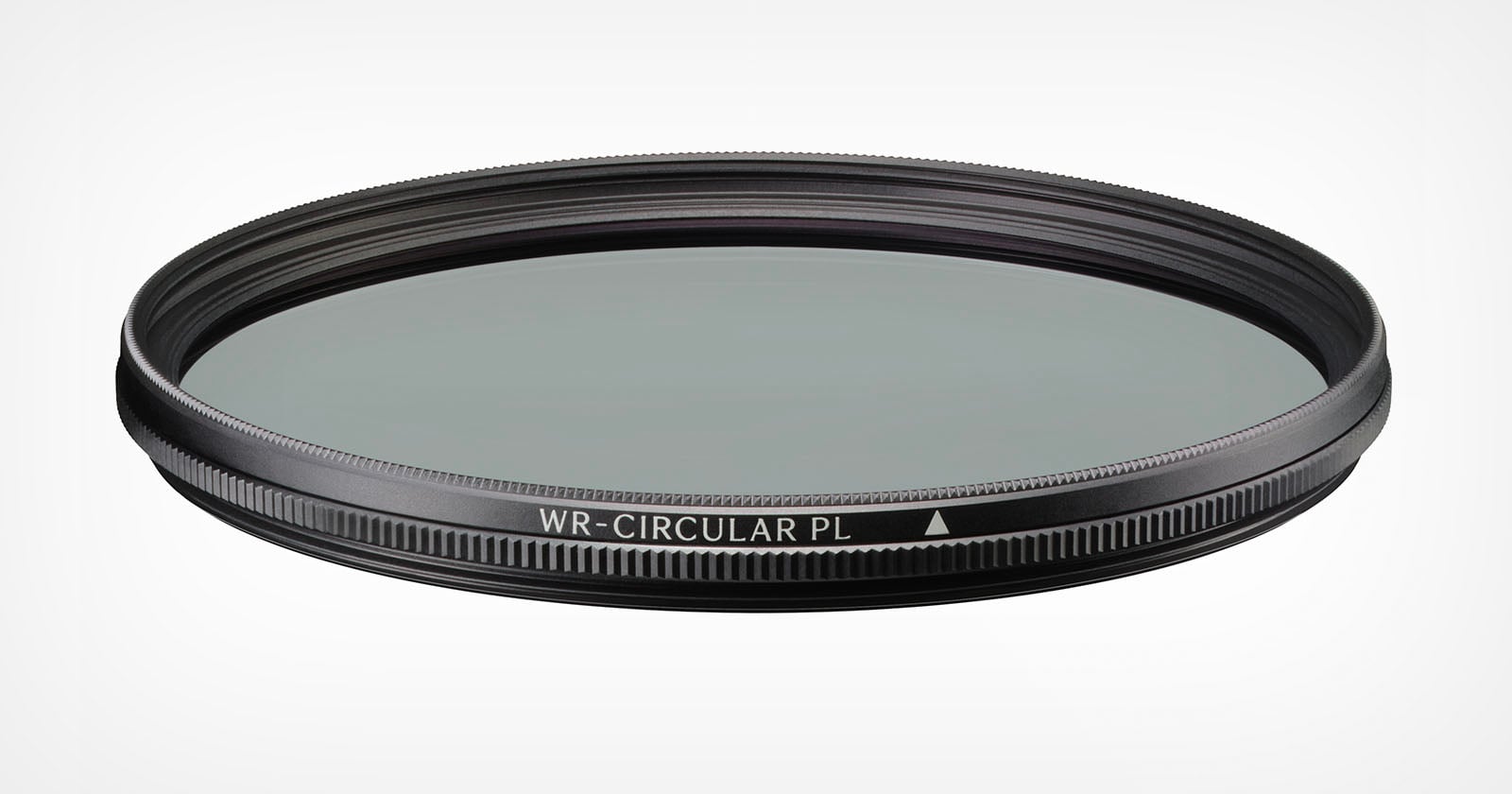
## Our Take: Sigma’s Subtle Revolution – Why Slimmer Filters Matter More Than You Think
Sigma’s recent announcements, headlined by stunning new lenses, also quietly delivered a significant upgrade that often gets overlooked: redesigned, slimmer lens filters. While the 20-60mm and 85mm lenses are undeniably exciting additions to their Art and Contemporary lines, this filter refresh speaks volumes about Sigma’s commitment to the complete photographic experience. It’s not just about crafting exceptional glass; it’s about ensuring every element of the imaging chain works in harmony. This development isn’t merely incremental; it's a testament to a deeper understanding of how seemingly small details can dramatically impact image quality and usability. Consider, for instance, the ongoing evolution of mirrorless systems and the increasingly sophisticated lens designs they demand. This aligns with broader trends in photographic accessory design, as seen in the advancements in camera bags and lighting equipment—a focus on integration and refinement. For those seeking to truly optimize their photography, understanding the nuances of filter technology is paramount, and this announcement offers a compelling opportunity to do just that. Those interested in learning more about Sigma’s lens philosophy should check out Sigma’s Art Lenses.
The core innovation lies in the reduction of filter thickness, achieved through a redesigned thread profile and optimized materials. This seemingly minor adjustment has a cascade of positive effects. Firstly, it minimizes vignetting – that frustrating darkening of the corners of an image – especially when using wide-angle lenses. Thicker filters can physically obstruct the light path, forcing photographers to either crop their images (losing valuable resolution) or accept the unsightly darkening. Secondly, slimmer filters allow for easier stacking. Many photographers utilize multiple filters – polarizers, neutral density filters, UV filters – to achieve specific creative effects or protect their lenses. The thinner profile provides more breathing room when combining these elements, preventing unwanted light blockage and mechanical interference. This is particularly relevant in an era where photographers are increasingly pushing the boundaries of creative expression, experimenting with complex filter combinations to achieve unique looks. It's worth noting that this isn’t the first time manufacturers have tackled filter thickness, but Sigma’s approach seems particularly focused on maintaining optical clarity, a point often compromised in previous attempts. For an overview of filter types and their applications, see Understanding Camera Filters.
Beyond the technical improvements, Sigma’s filter redesign reflects a growing appreciation for the often-overlooked accessories that contribute to a photographer's workflow. Historically, filters were seen as a necessary evil – a means to protect a lens or achieve a specific effect, but rarely a subject of serious consideration. However, as lens quality has increased, the importance of supporting accessories has come into sharper focus. A flawlessly crafted lens deserves a flawlessly crafted filter – one that doesn't compromise its performance. Sigma’s move signals a shift in perspective, elevating filters from mere peripherals to integral components of the photographic system. The "WR" designation (Weather Resistant) further reinforces this commitment to quality, ensuring these filters can withstand the rigors of outdoor shooting. This attention to detail resonates with the discerning photographer who prioritizes both image quality and durability, values that align with our brand’s ethos of curated excellence.
The long-term implications of Sigma’s filter redesign extend beyond individual photographers. It sets a new standard for the industry, potentially prompting competitors to follow suit and prioritize slimmer, higher-quality filter designs. This, in turn, could lead to a broader ecosystem of improved photographic accessories, ultimately benefiting all photographers. We anticipate a ripple effect, influencing the development of lens hoods, adapter rings, and other supporting equipment. The question now is: will other manufacturers recognize the importance of this seemingly subtle innovation and prioritize filter design accordingly? Or will this remain a niche area of focus, appreciated only by the most dedicated image makers? Ultimately, Sigma's actions suggest a future where every element of the photographic process receives the meticulous attention it deserves.
Alongside its new 20-60mm f/2.8-4 DG Contemporary and 85mm f/1.2 DG Art lenses for full-frame mirrorless cameras, Sigma has announced a new product for every photographer: redesigned lens filters.
Read on the original site
Open the publisher's page for the full experience