Something No One Thinks About in Landscape Photography
Our take
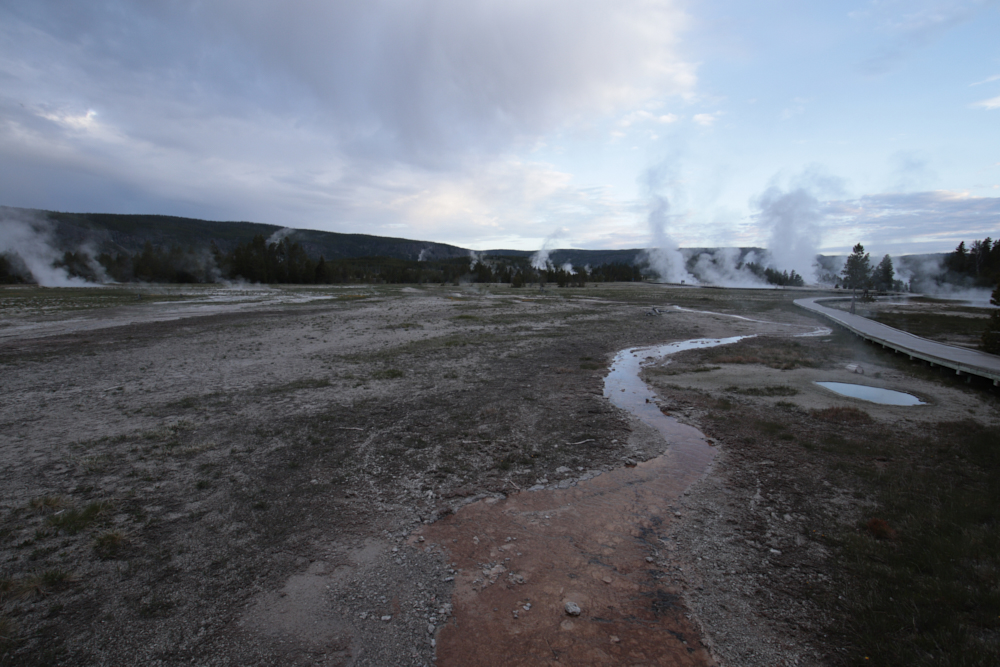
The conversation around landscape photography often fixates on the technical – composition, aperture, shutter speed – and understandably so. Mastering these elements is foundational. However, the recent piece on The Phoblographer, “Something No One Thinks About in Landscape Photography,” serves as a vital reminder that artistic expression extends beyond the purely technical. It’s a welcome return to a focus on creative exploration, echoing sentiments we’ve touched upon previously, such as the importance of showcasing diverse photographic talent Hey Photographers: Help Us Promote Your Work and the critical evaluation of equipment—even seemingly minor releases like Neewer’s Bright F700U OLED Monitor Earned a Place in My Camera Bag—which ultimately impacts the creative process itself. What the article highlights is the often-overlooked potential of color and black and white manipulation, not just as a post-processing step, but as a deliberate artistic choice woven into the photographic vision from the outset.
The shift in perspective – moving beyond simply capturing a scene to actively shaping it through tonal and chromatic choices – is arguably what separates a competent landscape photograph from a truly compelling one. While the core rules of landscape photography remain relevant, the article rightly points to the need for a more nuanced approach when it comes to rendering color and converting to monochrome. It’s about understanding how different textures and forms behave in various tonal ranges, how color relationships can evoke specific emotions, and how deliberate manipulation can amplify the narrative of the image. This isn’t advocating for overly stylized or artificial imagery; rather, it’s about leveraging the tools at our disposal – both in-camera and in post-processing – to refine and elevate the visual impact of the scene. Consider, for instance, how the subtle shifts in color temperature can dramatically alter the mood of a landscape, or how selective use of contrast can draw the viewer's eye to a specific point of interest.
This emphasis on artistic intention also ties into a larger trend within photography as a whole – a move away from the pursuit of pure realism towards a more subjective and expressive form of visual storytelling. We’ve seen this play out across various genres, from portraiture to street photography, where photographers are increasingly embracing experimentation and pushing the boundaries of traditional techniques. The landscape, often perceived as a genre defined by its objectivity and grandeur, can equally benefit from this approach. It allows photographers to infuse their personal perspectives and emotional responses into their work, transforming a simple depiction of a place into a powerful and evocative experience for the viewer. The article implicitly challenges the notion that landscape photography must strive for an unadulterated representation of reality, instead encouraging photographers to view themselves as active collaborators in the creation of a visual narrative. And, as demonstrated by some of the recent equipment debates, Canon’s Biggest Lens Screwup shows, even seemingly minor gear choices can impact this narrative.
Ultimately, the message is one of empowerment: that photographers have more control over the final image than they might realize. It's a call to move beyond the technical checklist and to engage with the landscape in a more thoughtful and creative way. As computational photography continues to evolve, with ever-increasing capabilities for image manipulation and enhancement, the role of the photographer as an artist will only become more critical. The question now is: how will photographers embrace these new tools to shape the visual landscape of the future, and will we see a new wave of landscape photography that prioritizes artistic expression over purely technical precision?
Read on the original site
Open the publisher's page for the full experience