Sony 100-400mm f4.5 G Master Review Update: Not Too Bad
Our take
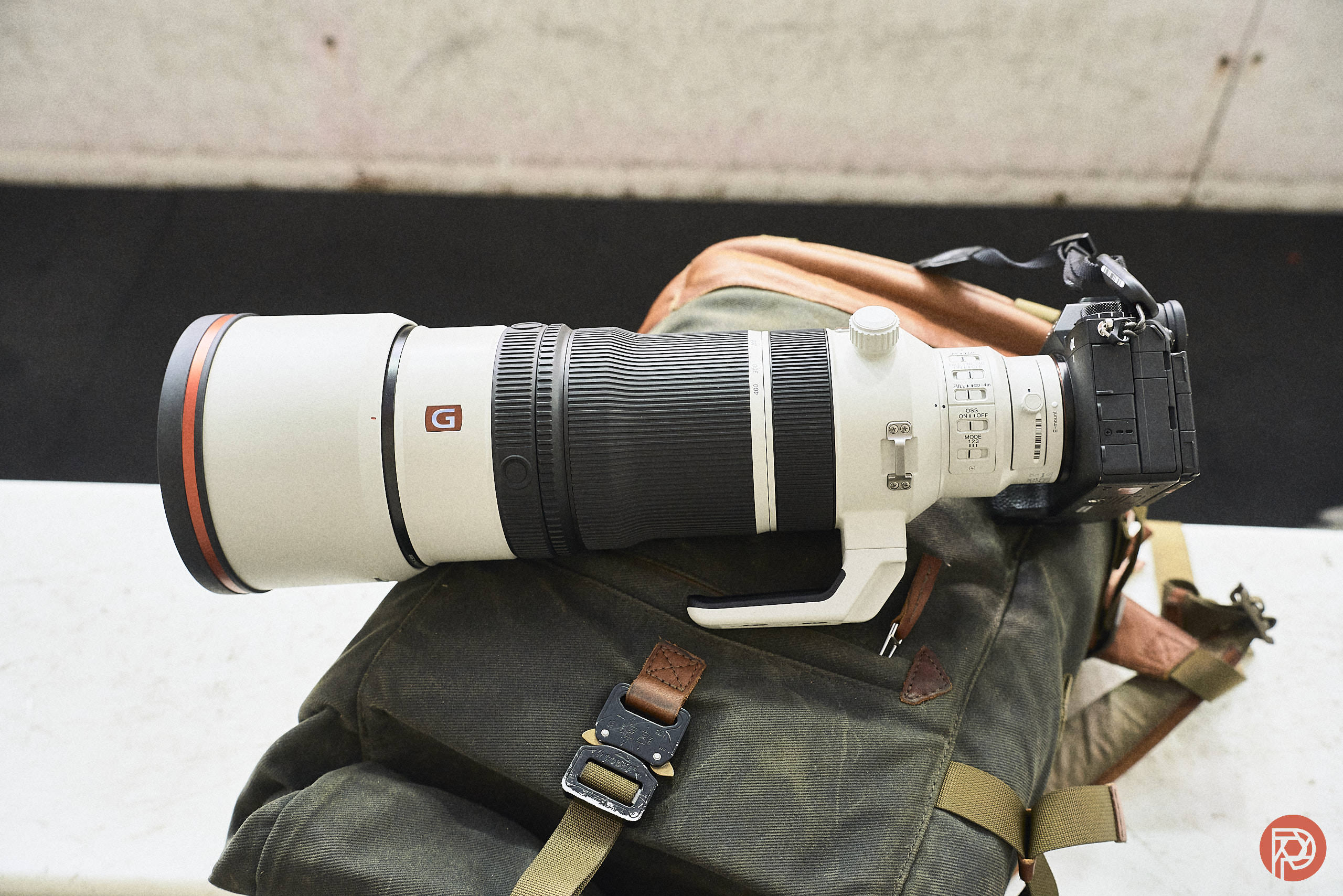
The recent update to our Sony 100-400mm f4.5 G Master lens review sheds light on a fascinating, and increasingly common, dynamic between reviewers and manufacturers. It’s a story not just about a lens, but about the integrity of product testing and the authenticity that our audience, and frankly, all discerning consumers, demand. Initially, our review was somewhat delayed due to Sony’s controlled testing environment, a situation that fundamentally clashed with our commitment to evaluating products as a typical customer would—in real-world conditions, free from manufacturer oversight. This is a point we’ve emphasized before; as highlighted in [PhotoCuller Gives You Back the Hours Lightroom Robs From You], optimizing workflows and minimizing unnecessary constraints is paramount to a streamlined and genuine creative process, and that extends to how we assess the tools we use. The fact that we ultimately shifted our focus to sports photography, diverging from the prevalent birding and wildlife applications showcased by other reviewers, underscores this belief—a longer focal length is often preferred for those niches, and focusing on sports offered a more representative use case.
This isn't merely a critique of Sony; it’s a reflection of a broader trend within the tech and photography industries. Manufacturers often curate review experiences, attempting to shape the narrative around their products. While collaboration is welcome and often beneficial, a lack of independent access can lead to skewed perspectives. It’s a delicate balance – brands want to showcase their products’ strengths, but reviewers need the freedom to explore potential limitations. Consider the challenges faced in choosing the right gear for travel, as discussed in [The Single Best Sony Camera for Travel Photographers]; the ideal setup prioritizes portability and versatility, qualities that can only be truly assessed through extended, unscripted use. The recent resurgence of interest in compact cameras, as evidenced by [The 3 Must-Have Compact Cameras From 2014 For Gen Z], demonstrates a renewed appreciation for simplicity and user-centric design, further emphasizing the value of unbiased evaluation. We aim to provide that unbiased view, even when it means navigating initially challenging circumstances.
The updated review itself, acknowledging the lens isn't “too bad,” is a testament to this commitment. It’s a measured assessment, not a manufactured endorsement. The lens clearly possesses merits, but the initial constraints highlighted the importance of independent testing. This situation underscores the responsibility of reviewers to be transparent about their testing methodologies and potential influences. Readers deserve to know whether a review reflects a genuine, hands-on experience or a controlled presentation. Authenticity is paramount, and it's a value we strive to uphold in every piece we publish. The nuanced perspective gained by testing in a real-world environment, particularly in a demanding field like sports photography, reveals aspects that might be missed in a more curated setting.
Looking ahead, it’s intriguing to see how manufacturers will adapt to the growing demand for transparency and authentic reviews. Will we see a shift towards more open collaboration, allowing reviewers greater autonomy while still facilitating product access? Or will the push for controlled narratives persist? The evolution of this relationship will undoubtedly shape the landscape of product reviews and, ultimately, the purchasing decisions of consumers who value genuine insights over polished presentations. It begs the question: how can the industry foster a more collaborative and transparent review process that benefits both manufacturers and consumers alike, ensuring that the tools we use are evaluated with both rigor and authenticity?
Read on the original site
Open the publisher's page for the full experience
Related Articles
- Sony 100-400mm f/4.5 GM OSS Review: Zoom ZoomSony photographers have a lot of great choices available when it comes to the serious telephoto lens. Whether you are into sports or wildlife, the Sony E-mount has you covered. However, many of these excellent lenses come with big physical dimensions and even higher prices. [Read More]
- Sony’s Evolved 100-400mm f/4.5 GM OSS Is for Sports and Wildlife ProsSony has announced the FE 100-400mm f/4.5 GM OSS, a new professional-grade telephoto zoom lens designed for wildlife, sports, and photojournalism. [Read More]