Sony Is Utterly Dominating the Global Image Sensor Market
Our take
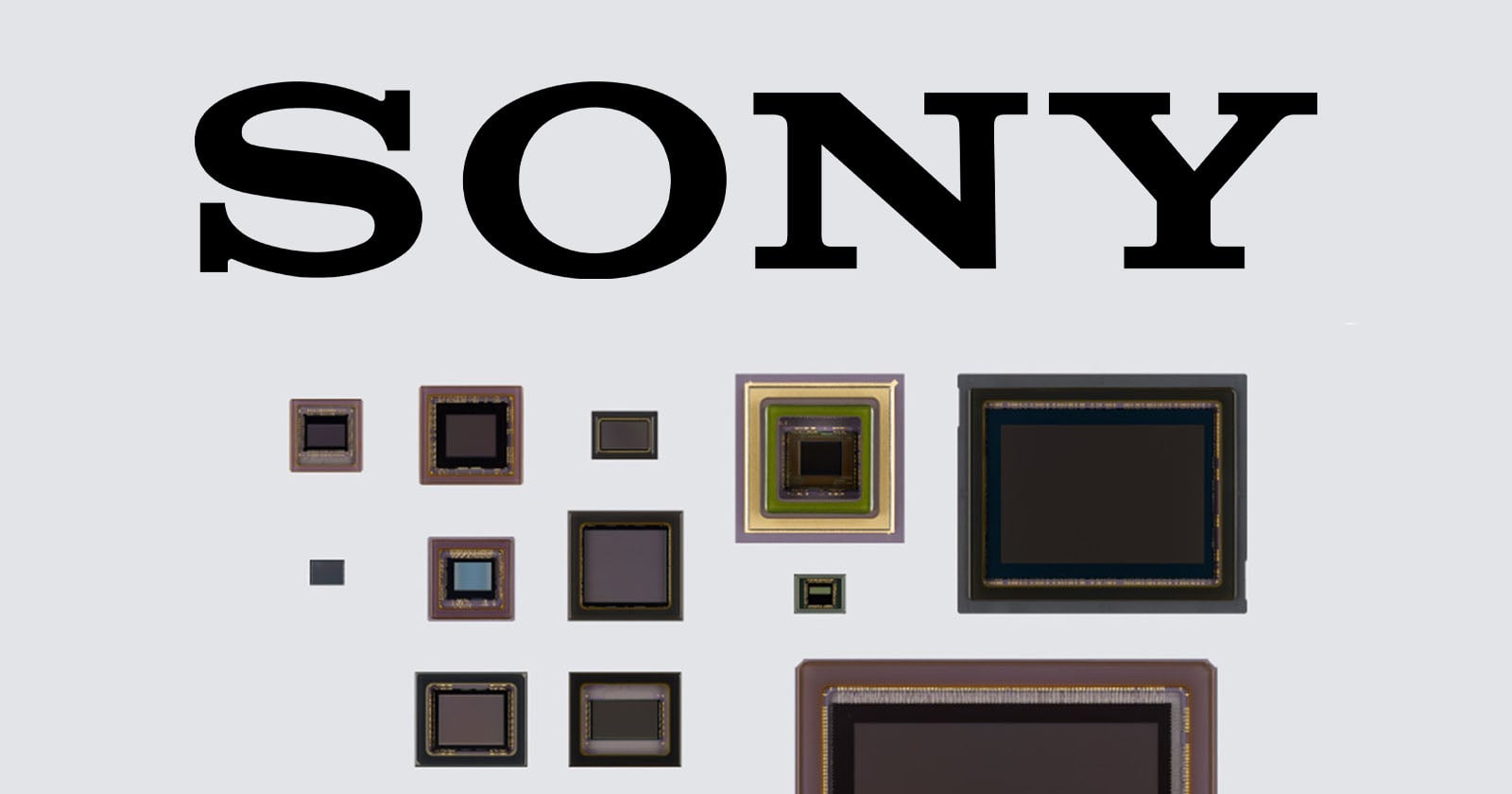
Sony’s continued, frankly staggering, dominance of the global image sensor market, as detailed in the latest Nikkei Industry Map, isn't just a statistic; it’s a foundational pillar supporting the entire photography and videography landscape. While we regularly cover the evolution of digital cameras, The Hasselblad 501C is Possibly the King of DSLRs highlighting the resurgence of classic film bodies adapted for digital, and the ongoing competition between established giants like DJI and emerging players such as Insta360, The FCC Has Given Insta360 a Big Chance to Dethrone the Dominant DJI, it's crucial to understand that these devices are fundamentally reliant on Sony’s technological leadership in sensor production. The sheer scale of their market share – reportedly significantly outpacing competitors – dictates the quality, innovation, and ultimately, the price points we see across a vast spectrum of imaging devices, from smartphones to professional cinema cameras. This isn’t merely about one company winning; it's about a single entity shaping the very building blocks of modern visual storytelling.
The implications extend far beyond the realm of consumer electronics. Sony’s sensors are integral to automotive applications – advanced driver-assistance systems (ADAS) and autonomous vehicle development are heavily reliant on high-resolution, low-light image sensors – and increasingly, industrial inspection and medical imaging. Their ongoing investment in research and development, particularly in areas like stacked CMOS sensors and global shutter technology, further solidifies their position and sets the pace for the entire industry. The ability to consistently deliver sensors with superior dynamic range, low noise, and high pixel density provides a significant advantage to camera manufacturers, enabling them to create products that push the boundaries of image quality. It also presents a unique challenge for competitors attempting to innovate; catching up requires not just engineering prowess but also massive capital investment in fabrication facilities, a domain where Sony holds a considerable edge. This dominance isn't accidental; it's the result of decades of focused investment and a deep understanding of the underlying semiconductor technology.
What’s particularly noteworthy is the interplay between Sony’s camera division and its sensor business. The symbiotic relationship allows for rapid prototyping and feedback, with innovations developed for their own Alpha cameras often trickling down to their sensor offerings, and vice versa. This closed-loop system fosters a level of optimization that’s difficult for external manufacturers to replicate. While concerns about potential supply chain bottlenecks or market manipulation occasionally surface, the overall benefit to consumers is undeniable: a continuous stream of improved imaging technology. The sheer volume of sensors produced also allows for economies of scale, contributing to lower prices for components and, ultimately, more accessible photographic tools for a wider range of users. The growing awareness of surveillance technologies, as highlighted in Photographer Points His Lens At the Growing US Surveillance Camera Network, further underscores the pervasive influence of Sony's sensor technology across various sectors, not all of which are directly related to creative pursuits.
Looking ahead, the question isn't whether Sony will maintain its dominance, but rather how that dominance will evolve. The increasing demand for computational photography, driven by AI and machine learning, will place new demands on image sensors – requiring not just high resolution but also advanced features like on-sensor processing capabilities. Sony’s ongoing investment in pixel binning and other computational technologies suggests they are well-positioned to meet these challenges. However, the rise of alternative sensor technologies, such as quantum dot sensors, and the potential for geopolitical shifts in the semiconductor industry, could introduce unforeseen disruptions. Will Sony continue to lead the charge, or will a new player emerge to challenge their reign in the increasingly vital world of image sensing?
Alongside an in-depth digital camera market share breakdown, the annual Nikkei Industry Map also analyzes global market share for many other industries, including digital image sensors.
Read on the original site
Open the publisher's page for the full experience