Spanish Police Officer Puts F1 Photographer in Chokehold at Grand Prix
Our take
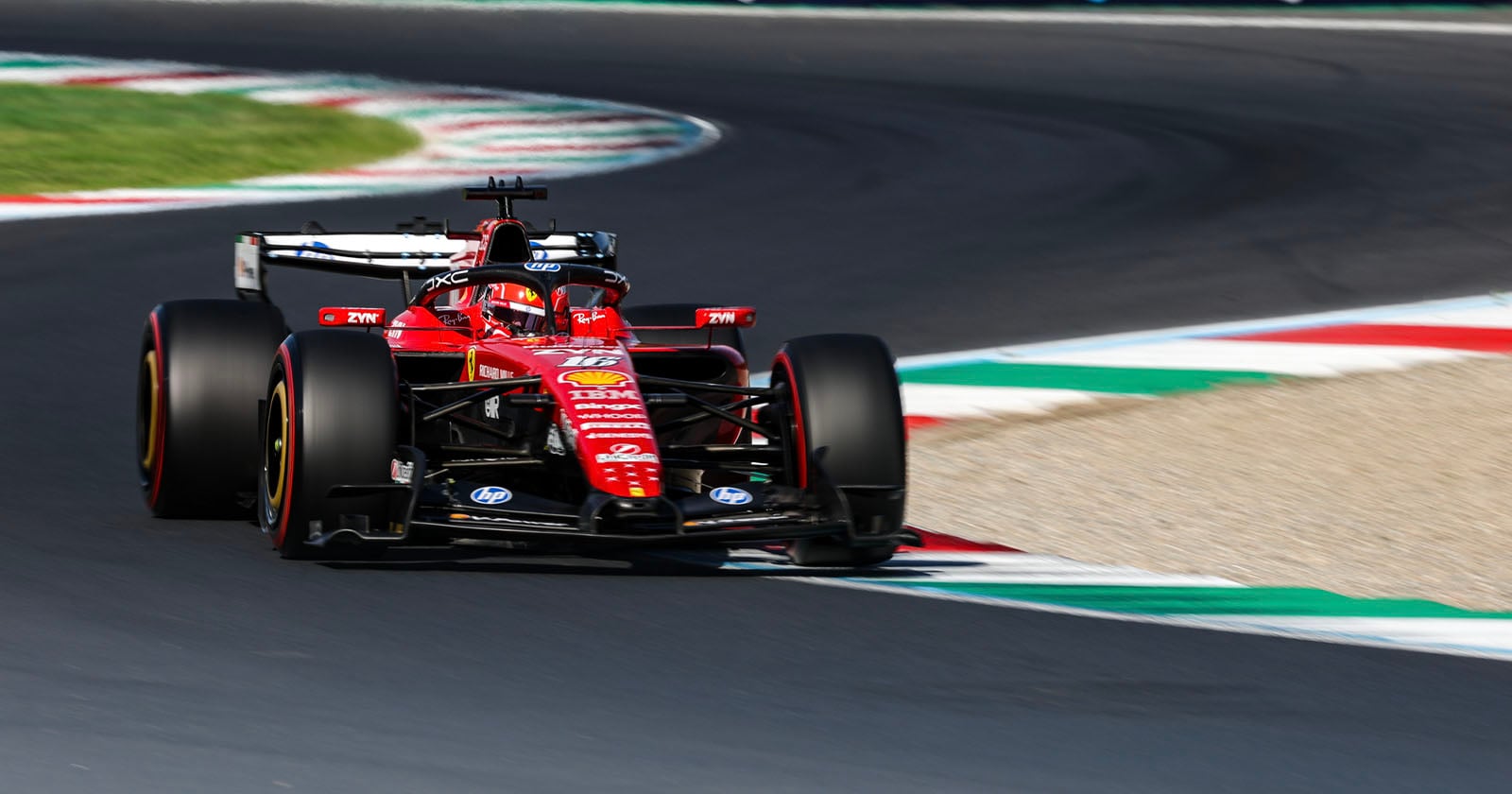
The incident at the Spanish Grand Prix, where a police officer placed a Formula One photographer in a chokehold, is deeply unsettling and demands a broader conversation about the safety and respect afforded to visual storytellers, particularly within high-pressure, high-stakes environments like professional motorsport. This isn't simply a matter of one isolated event; it speaks to a potential disregard for the crucial role photographers play in documenting these events and, more importantly, the inherent risks they undertake to do so. We've seen similar issues arise concerning intellectual property and online security, as evidenced by the recent reports of [Scammers Are Extorting Instagram Users With Bogus Copyright Strikes], highlighting the vulnerabilities creative professionals face. Furthermore, the ongoing debate surrounding authorship of iconic images, like the contentious history of Robert Capa's "The Falling Soldier," which experts now claim was actually taken by Gerda Taro [Experts Claim Gerda Taro Took ‘The Falling Soldier’, Not Robert Capa], underscores the complexities of capturing and owning visual narratives, and the potential for misinterpretation and exploitation. The photographer’s perspective is often vital to understanding an event, and their safety should be paramount.
The optics of this situation are particularly troubling. Formula One, with its global viewership and meticulously cultivated image, strives for an aura of precision, safety, and luxury. This incident, captured and disseminated widely, directly undermines that carefully constructed brand identity. While details remain scarce regarding the precise circumstances that led to the chokehold – was it a misunderstanding, a perceived threat, or something else entirely? – the immediate visual is one of aggression and control, rather than the supportive and collaborative environment one would expect at a professional sporting event. The speed at which photographers must operate, often in close proximity to moving vehicles and security personnel, already creates inherent risks. This incident suggests a potential breakdown in communication and de-escalation protocols, and a failure to recognize the professional value of the photographer’s presence. It’s a stark reminder that even within seemingly controlled environments, vigilance and respect for all participants are essential.
Beyond the immediate impact on the photographer involved, this event raises significant questions about the training and protocols for security personnel at major sporting events. Are officers adequately prepared to handle situations involving media professionals? Do they understand the specific challenges and risks photographers face? The response to this incident will be crucial in shaping perceptions of safety and professionalism within the Formula One community, and potentially setting a precedent for other high-profile events. The need for clear guidelines, ongoing training, and open communication channels between security teams and media personnel is now undeniable. It’s also worth considering the broader implications for press freedom and the ability of journalists and photographers to document events without facing undue interference or physical harm. The pursuit of a compelling image should never necessitate risking one’s safety or freedom.
Ultimately, the Spanish Grand Prix incident serves as a cautionary tale. It’s a moment to reflect on the value we place on visual storytelling, the safety of those who capture it, and the responsibility of event organizers to create an environment where both can thrive. The incident also highlights the ongoing need to protect creative professionals from online exploitation and ensure their work is properly attributed, as demonstrated by the struggles faced by photographers like Gerda Taro. Moving forward, it will be crucial to monitor how Formula One and other sporting organizations address these concerns and implement measures to prevent similar incidents from occurring. Will we see a shift towards more proactive safety protocols for media personnel, or will this remain an isolated, albeit deeply concerning, event?
A Formula One photographer was put into a choke hold by a police officer at the Spanish Grand Prix.
Read on the original site
Open the publisher's page for the full experience