Sports Photographer Has Instagram Account Wrongfully Banned by Meta Over ‘Sexualization of Children’
Our take
The recent and deeply unsettling case of a sports photographer having his Instagram account permanently banned over accusations of “sexualization of children” underscores a growing and deeply concerning trend: the overreach and opacity of algorithmic content moderation. The incident, detailed in Sports Photographer Has Instagram Account Wrongfully Banned by Meta Over ‘Sexualization of Children’, highlights the precarious position of creative professionals navigating the increasingly complex landscape of social media. This isn't an isolated event; we've previously reported on the devastating consequences faced by artists in other regions, such as Two Female Photographers Sentenced to Combined 24 Years in Prison in Iran, demonstrating how swiftly creative expression can be stifled by restrictive policies, often with little recourse. The reliance on automated systems, while intended to flag harmful content, demonstrably fails to account for context, artistic intent, and the nuances inherent in visual storytelling, especially within the realm of sports photography where capturing athletic prowess often involves dynamic poses and close-ups.
The core problem lies not just in the erroneous bans themselves, but in the lack of transparency and accountability from platforms like Instagram, now under Meta’s umbrella. The photographer's experience—a permanent ban without clear explanation or meaningful opportunity for appeal—is emblematic of a broader issue. These platforms wield immense power, shaping narratives and impacting livelihoods, yet operate with a level of algorithmic opacity that makes it virtually impossible for creators to understand *why* their content is flagged and to effectively challenge those decisions. While Meta and other social media giants consistently emphasize their commitment to safety and responsible content moderation, this case casts a stark shadow on their execution. The situation is further complicated by the rapid evolution of technology; Insta360's work on innovative camera designs, as seen in Insta360 Is Making a Mirrorless Camera With a Shape ‘You’ve Never Even Considered’, highlights the constant technological advancements that simultaneously create new creative possibilities and new challenges for content moderation systems to keep pace with.
The implications extend far beyond this single photographer. This incident serves as a chilling reminder to all creators—photographers, videographers, artists, and influencers—that their work can be arbitrarily removed, impacting their income, reputation, and ability to connect with their audience. The fear of triggering an algorithm and facing a similar fate can lead to self-censorship and a narrowing of creative expression. Furthermore, the reliance on automated systems risks disproportionately impacting marginalized communities and artists whose work may be misinterpreted or flagged due to cultural differences or unfamiliar subject matter. The current system lacks the necessary human oversight and nuanced understanding to effectively distinguish between legitimate artistic expression and genuinely harmful content. The damage caused by these missteps is not easily undone, and the financial and emotional toll on creators can be devastating.
Ultimately, this incident compels a critical reevaluation of the responsibility social media platforms bear towards the creative community. The demand for increased transparency in algorithmic content moderation is no longer a niche concern but a fundamental requirement for fostering a vibrant and equitable online ecosystem. Moving forward, platforms need to invest in more sophisticated AI models that can accurately interpret context and artistic intent, alongside robust appeal processes that allow creators to challenge decisions fairly and effectively. The question remains: will platforms prioritize protecting their bottom line and relying on automated systems, or will they recognize the vital role creators play in their success and invest in safeguards to ensure their work is treated with the respect and understanding it deserves?
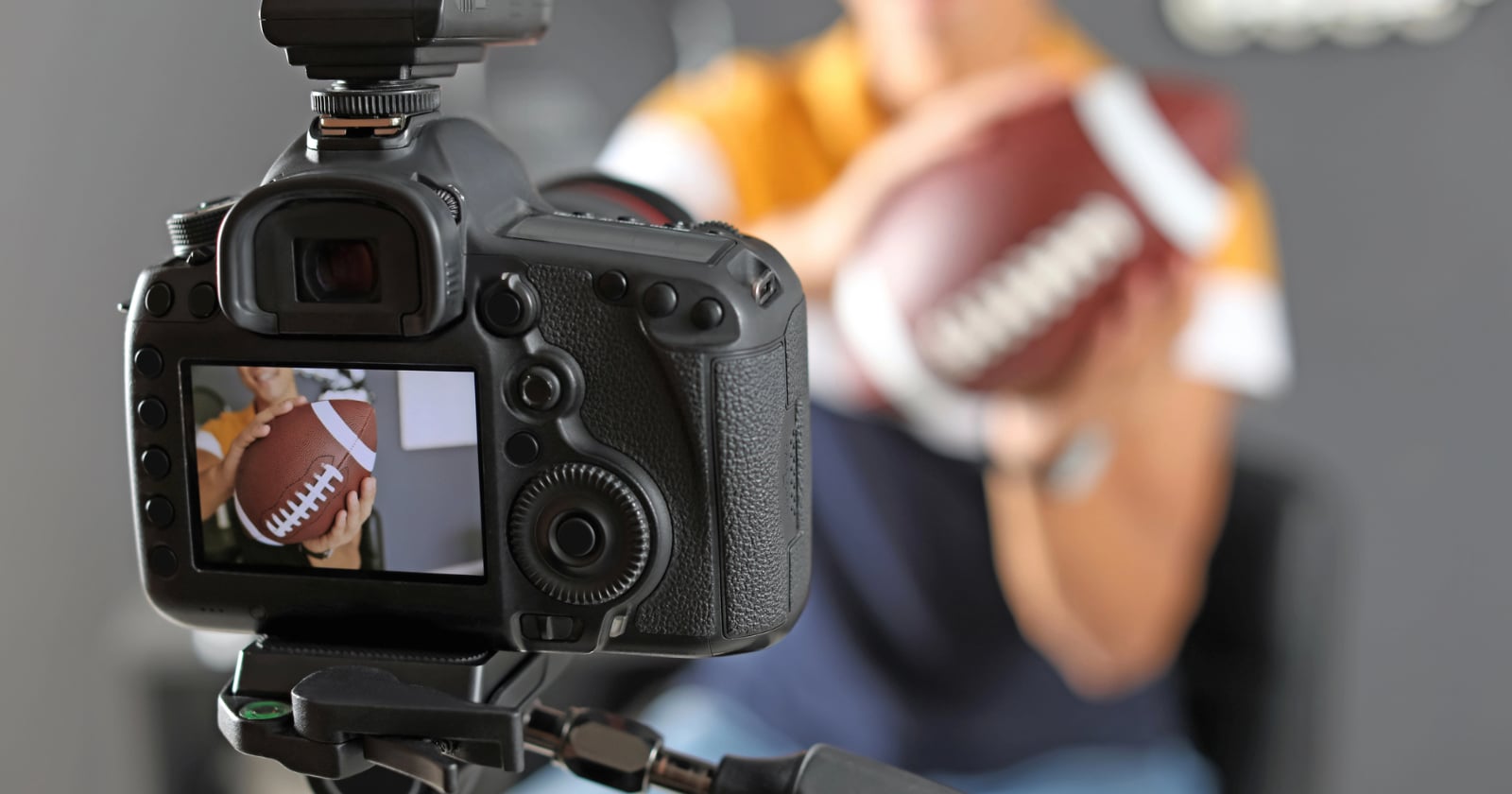
A sports photographer had his Instagram account permanently disabled after Meta mistakenly claimed his content violated its rules against the “sexualization of children.”
Read on the original site
Open the publisher's page for the full experience