Steven Soderbergh Confirms Use of AI Images in ‘John Lennon: The Last Interview’ Documentary
Our take
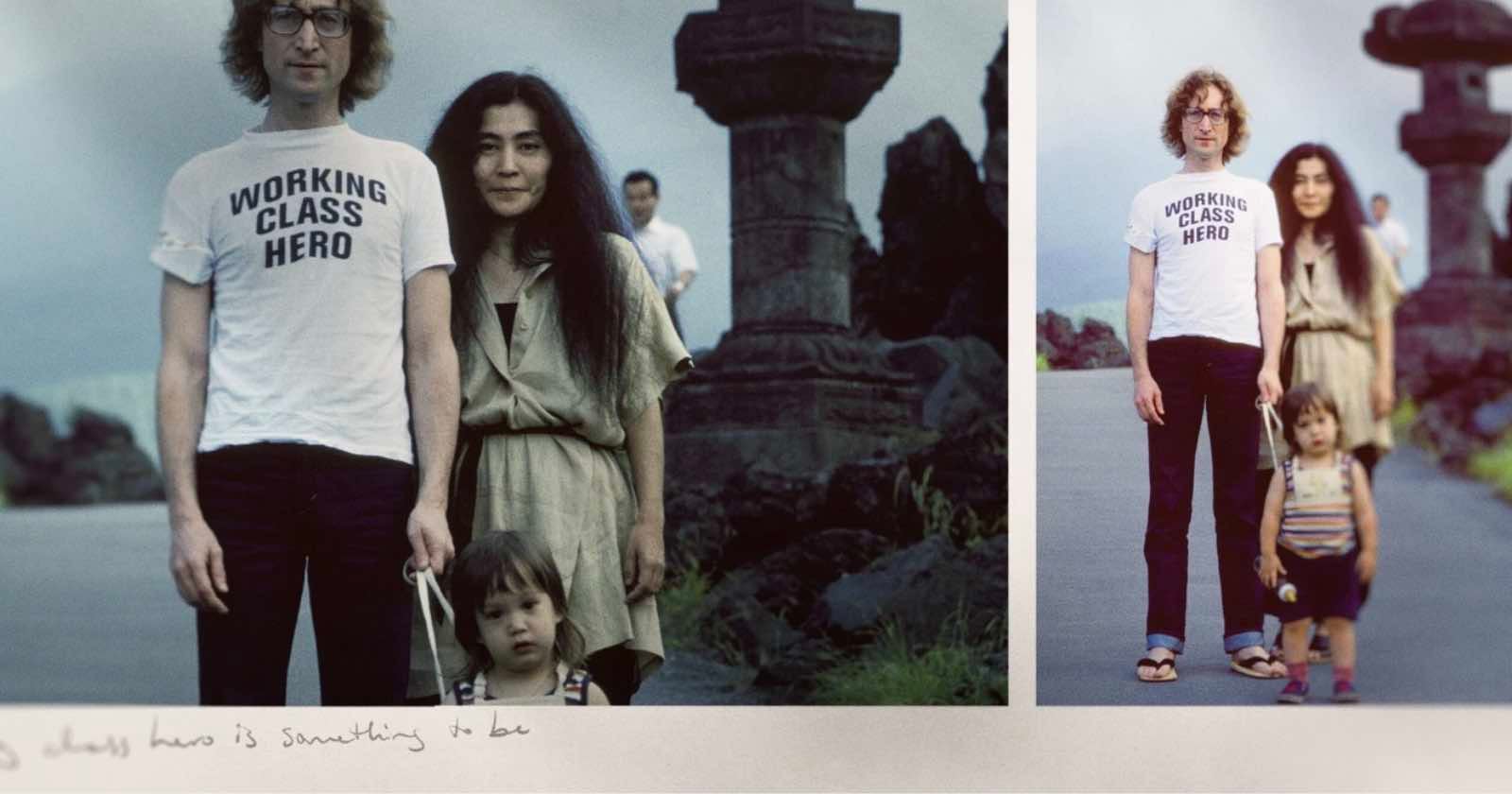
In a striking move that illuminates the intersection of technology and artistry, director Steven Soderbergh has confirmed the use of AI-generated images in his upcoming documentary, *John Lennon: The Last Interview*. This decision is not merely a technical choice; it represents a broader dialogue about how modern storytelling can harness innovative tools while preserving the emotional weight and authenticity that define impactful narratives. As we explore this development, it’s essential to consider the implications for the documentary landscape, particularly in a time when technology is evolving at an unprecedented rate. The conversation surrounding Soderbergh’s work resonates with other recent discussions, such as the legal complexities of image rights in the arts seen in French Court Sets Date for Trial Between Nick Ut and Netflix Over ‘Napalm Girl’ Documentary and the ongoing evolution of digital media preservation, highlighted by the Badger Badger Badger Video Officially Preserved by British Film Institute.
The integration of AI images into Soderbergh’s documentary serves as a testament to the potential of technology to enrich storytelling. With AI tools becoming increasingly sophisticated, filmmakers can create visuals that resonate with audiences on multiple levels—combining historical accuracy with imaginative interpretations. This approach invites viewers to engage with the subject matter in a fresh way, allowing for a blend of reality and artistry that may provoke deeper emotional responses. By utilizing AI, Soderbergh is not only pushing the boundaries of conventional filmmaking but also prompting us to reflect on the nature of authenticity in art. As creators, we face the challenge of ensuring that technology serves to enhance rather than overshadow the human experience at the core of storytelling.
This development also opens the door to important discussions about the ethical implications of using AI in creative fields. As the lines between human creativity and algorithmic generation blur, questions arise about authorship, ownership, and the essence of artistic integrity. The documentary format, traditionally grounded in factual storytelling, must now navigate this evolving landscape, where the inclusion of AI-generated content can either elevate or dilute its message. As Soderbergh embraces these tools, we must consider how this shift might influence the expectations of audiences, who may increasingly seek authenticity even in the face of technological innovation.
Looking ahead, the impact of Soderbergh’s integration of AI images may serve as a case study for future filmmakers grappling with similar choices. As we witness the emergence of more projects that leverage AI, it will be crucial to monitor audience reception and the ongoing discourse surrounding the ethical implications of such techniques. Will viewers embrace this blend of technology and artistry, or will they yearn for a return to traditional methods that emphasize human craftsmanship? The answers to these questions will shape not only the future of documentary filmmaking but also the broader artistic landscape as we continue to explore the vibrant possibilities that lie at the intersection of creativity and technology.
Director Steven Soderbergh has revealed how he embraced using AI-generated images in his new documentary about John Lennon's final interview.
Read on the original site
Open the publisher's page for the full experience