‘Street Safari’ by Alan Schaller Finds Humanity in Animals
Our take
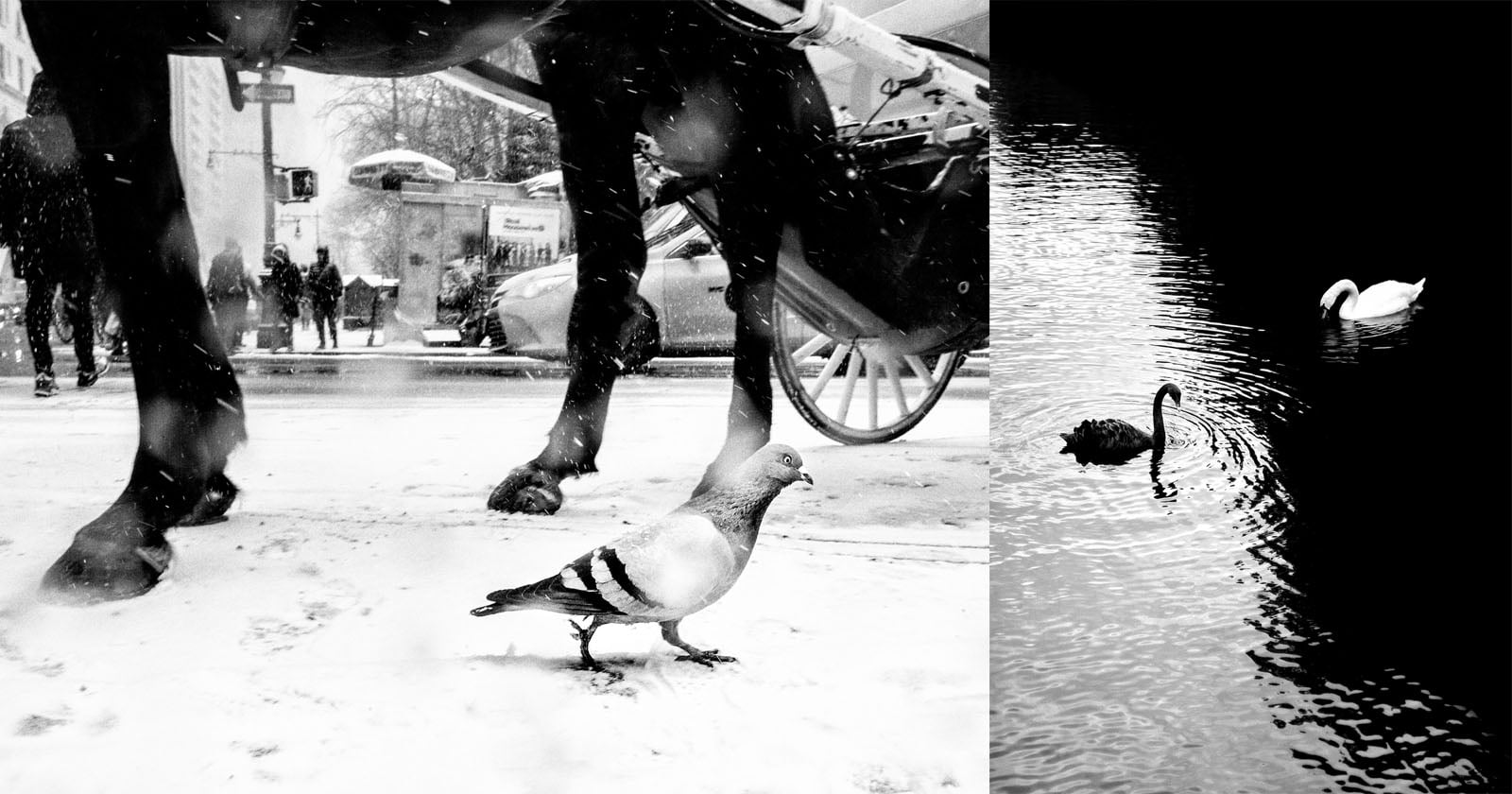
Alan Schaller’s shift from the starkly isolating landscapes of *Metropolis* to the surprisingly intimate portraits captured in *Street Safari* represents a compelling evolution, not just for the artist, but for the broader conversation surrounding urban photography. Schaller’s previous work, a document of modern alienation, resonated deeply with a generation grappling with the complexities of urban existence. We’ve previously explored similar themes of urban disconnection in The Quiet Crisis of Modern City Living, and the stark contrast with *Street Safari* offers a fascinating counterpoint. The ability to find connection and even kinship in the often-overlooked animal inhabitants of our cities speaks to a yearning for simpler, more elemental forms of interaction. His work builds upon a tradition of animal photography that extends from the pioneering nature studies of early photographers to contemporary artists like Joel Sartore, whose *Photo Ark* project meticulously documents endangered species – though Schaller’s focus is decidedly urban, and his aesthetic distinctly different. It’s a conversation that also intersects with explorations of animal rights and urban ecology, as documented in Urban Wildlife: Navigating Coexistence.
The power of *Street Safari* lies in its ability to humanize the non-human. Schaller isn’t merely documenting animals; he’s capturing moments of vulnerability, resilience, and even playfulness. The black and white photography, a consistent choice throughout Schaller’s career, amplifies this effect, stripping away color distractions and forcing the viewer to focus on the animals' expressions and postures. It’s a deliberate artistic choice that underscores the underlying theme of shared experience – that despite our differences, humans and animals share a common space and a common need for connection. The images aren't sentimental; they are observational, yet imbued with a palpable sense of empathy. The juxtaposition of the animals against the backdrop of bustling city life highlights the often-overlooked coexistence that defines modern urban environments, challenging our preconceived notions of what it means to belong. It subtly asks us to consider our own role in sharing these spaces and the responsibility we have to ensure the well-being of all inhabitants, not just our own.
The significance of *Street Safari* extends beyond its aesthetic appeal. It represents a broader cultural shift towards recognizing the interconnectedness of all living beings and the importance of biodiversity, even within urban environments. In a world increasingly dominated by technology and virtual interactions, Schaller’s work offers a grounding reminder of the natural world that persists even in the most concrete jungles. It’s a welcome antidote to the prevailing narratives of urban decay and isolation. Furthermore, the book’s success points to a growing audience for photography that prioritizes observation, empathy, and a nuanced understanding of the world around us. This aligns with a wider trend towards mindful consumption and a desire for experiences that foster genuine connection, a trend we’ve previously explored in The Rise of Experiential Photography. Schaller’s work isn’t about grand gestures or dramatic narratives; it’s about finding beauty and meaning in the everyday moments of urban life, a perspective that is increasingly valuable in our complex and rapidly changing world.
Looking ahead, it will be fascinating to see how Schaller continues to evolve his artistic practice. Will he expand his focus beyond black and white, perhaps exploring the vibrancy of color to further illuminate the animal kingdom's presence in urban spaces? Or will he delve deeper into the ecological implications of urban wildlife, using his photography to advocate for conservation and responsible urban planning? The potential for further exploration is immense, and Schaller’s *Street Safari* serves as a compelling blueprint for a new generation of photographers seeking to find humanity—and a shared future—in the most unexpected of places.
Photographer Alan Schaller's first book, Metropolis, explored the isolation of living in the big city, a somber subject. His second book, however, should bring out a few more smiles.
Read on the original site
Open the publisher's page for the full experience